Creating a thriving garden requires more than just planting seeds and hoping for the best. Lin’s Garden Success demonstrates that with the right strategies, planning, and dedication, anyone can cultivate a productive and beautiful outdoor space. Whether you’re a beginner looking to start your first vegetable patch or an experienced gardener seeking to refine your techniques, understanding the fundamental principles that make gardens flourish is essential. This comprehensive guide reveals the professional tips and proven methods that transform ordinary gardens into extraordinary growing spaces.
The journey to garden success begins with understanding your unique growing conditions, selecting appropriate plants for your climate zone, and implementing sustainable practices that promote long-term productivity. By combining traditional gardening wisdom with modern horticultural knowledge, you’ll discover how to maximize your yields, minimize pest problems, and create an environment where plants thrive naturally.
Soil Preparation and Quality
The foundation of any successful garden is healthy, nutrient-rich soil. Before planting anything, invest time in understanding your soil composition. A simple soil test reveals pH levels, nutrient content, and texture—information that guides all future amendments. You can request a soil test through your local USDA Natural Resources Conservation Service office, which provides detailed recommendations tailored to your region.
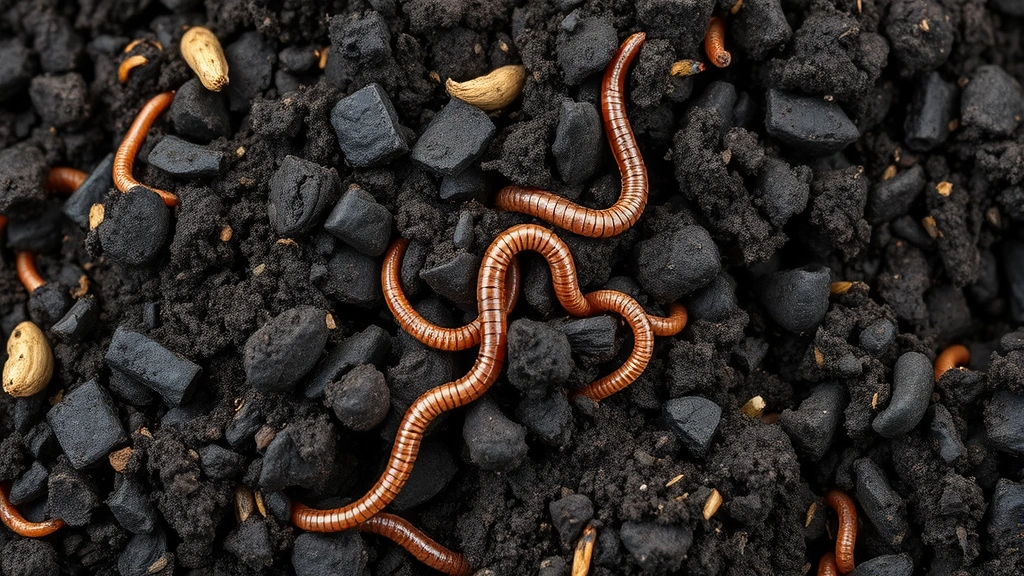
Begin by incorporating organic matter such as compost, aged manure, and leaf mold into your beds. These materials improve soil structure, increase water retention in sandy soils, and enhance drainage in clay-heavy areas. Aim to add 2-3 inches of compost annually, working it into the top 8-12 inches of soil. This practice builds soil fertility over time while encouraging beneficial microbial activity.
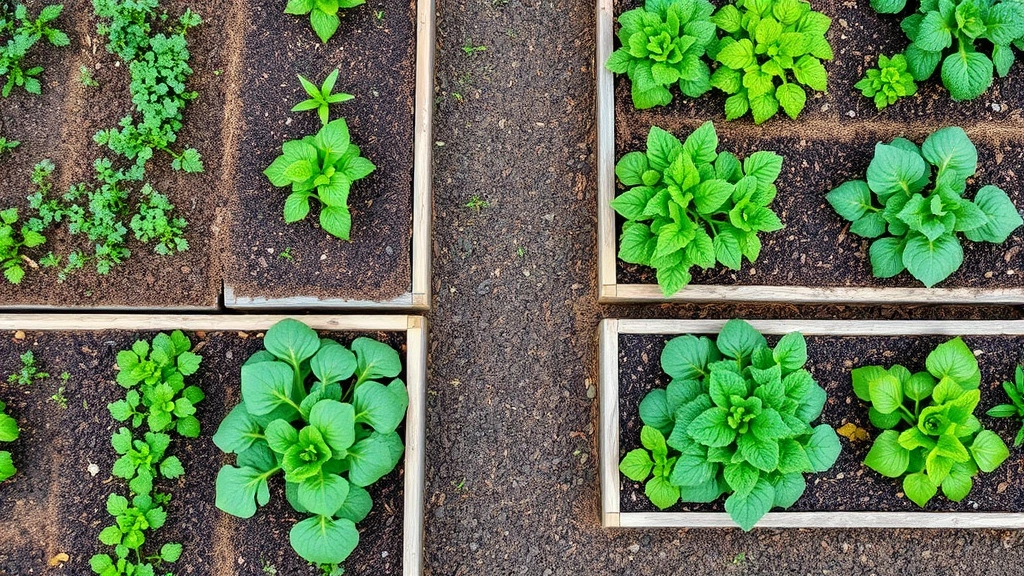
Consider implementing raised beds if your native soil is poor or contaminated. Raised beds offer superior drainage, warmer soil temperatures in spring, and easier access for maintenance. Fill them with a high-quality mixture of topsoil, compost, and peat moss or coconut coir in roughly equal proportions. This creates an ideal growing medium that supports most vegetable and ornamental plants.
Mulching deserves special attention in soil management. A 2-3 inch layer of organic mulch (wood chips, straw, or shredded leaves) moderates soil temperature, suppresses weeds, conserves moisture, and gradually breaks down to improve soil structure. Keep mulch 2-3 inches away from plant stems to prevent rot and pest issues.
Plant Selection and Variety
Successful gardens start with choosing plants suited to your climate zone and specific growing conditions. Check your USDA Hardiness Zone and understand your local frost dates—these critical pieces of information determine which plants thrive in your area. The USDA Plant Hardiness Zone Map provides detailed zone information for precise plant selection.
Assess your garden’s light conditions carefully. Most vegetables and flowering plants require 6-8 hours of direct sunlight daily. Observe your garden throughout the day before deciding where to plant. If you have shaded areas, select shade-tolerant species rather than forcing sun-loving plants into inadequate light.
When planning your vegetable garden, include a mix of cool-season and warm-season crops. Cool-season vegetables like peas thrive in spring and fall, while warm-season crops like tomatoes, peppers, and pumpkins require warm soil and air temperatures. This succession planting extends your harvest season and maximizes garden productivity throughout the year.
Incorporate perennial plants that return year after year, reducing annual planting work. Blueberries grown in containers provide consistent harvests with minimal maintenance once established. Perennial herbs like rosemary, thyme, and sage offer culinary and ornamental value while supporting pollinator populations.
Choose disease-resistant varieties when available. Seed catalogs and plant tags identify resistance to common problems—look for abbreviations like PM (powdery mildew), EB (early blight), or VF (verticillium and fusarium wilt). These resistant varieties perform better in challenging conditions and reduce the need for chemical interventions.
Watering Strategies
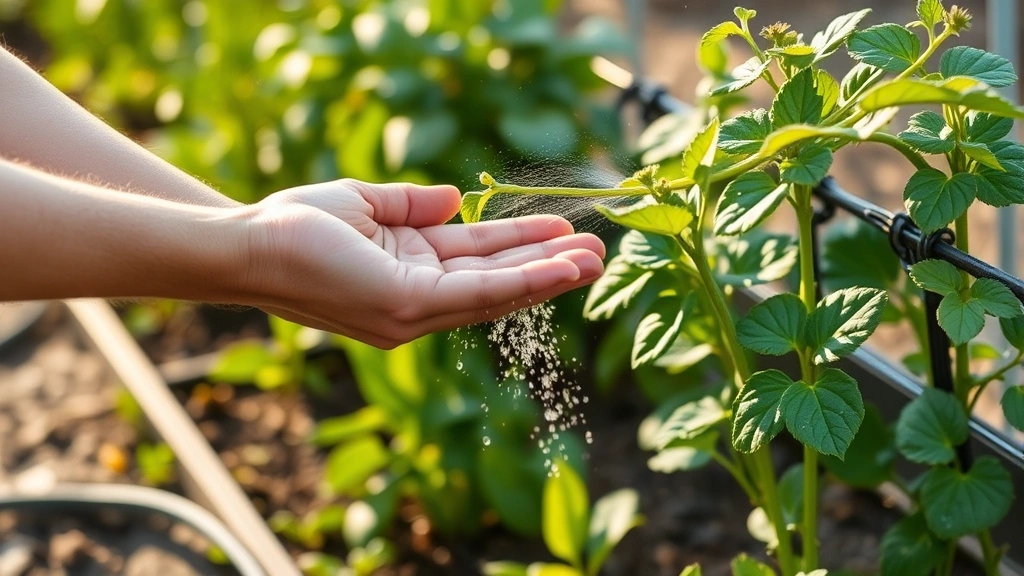
Proper watering is critical yet often misunderstood. The goal is delivering consistent moisture to the root zone while avoiding waterlogging or drought stress. Most vegetables need 1-1.5 inches of water weekly, including rainfall. Water deeply but less frequently rather than daily shallow watering, which encourages shallow root systems and increases disease vulnerability.
Water early in the morning before temperatures rise. This timing allows plants to absorb moisture when they need it most and reduces fungal disease pressure by allowing foliage to dry quickly. Avoid evening watering, which leaves plants wet overnight—perfect conditions for powdery mildew and other foliar diseases.
Drip irrigation systems deliver water directly to soil, minimizing waste and reducing disease. If budget permits, invest in soaker hoses or drip lines for vegetable beds. For ornamental gardens, quality garden hoses with adjustable nozzles provide flexibility and control over water application rates.
Check soil moisture before watering by inserting your finger 2-3 inches into the soil. If it feels moist, skip watering. This simple test prevents overwatering, which causes root rot and nutrient leaching. During hot, dry periods, you may need to water every 2-3 days; during cool, wet weather, once weekly or less may suffice.
Mulching supports proper moisture management by reducing evaporation and maintaining more consistent soil moisture levels. In hot climates, increase mulch depth to 3-4 inches; in humid regions, keep it closer to 2 inches to prevent moisture-related diseases.
Pest and Disease Management
Integrated Pest Management (IPM) combines multiple strategies to keep pest and disease populations below damaging levels while minimizing chemical use. Start with prevention: healthy plants in appropriate growing conditions resist pests and diseases far better than stressed plants.
Scout your garden regularly—at least twice weekly during growing season. Look for pest damage, diseased foliage, and beneficial insects. Early detection of problems allows intervention before populations explode. Remove affected leaves or plants promptly to prevent spread.
Encourage beneficial insects by planting flowers that attract pollinators and predatory insects. Native wildflowers, herbs like dill and fennel, and flowering perennials support populations of ladybugs, parasitic wasps, and lacewings that naturally control pests. Native plant societies in your region provide recommendations for local species.
For pest issues, start with mechanical removal or organic solutions before considering pesticides. Hand-pick larger pests like hornworms and beetles. Spray insecticidal soap for soft-bodied insects like aphids and spider mites. Neem oil addresses various pests and fungal issues. These methods are safer for beneficial insects and the environment.
Rotate crop families annually to prevent disease buildup. Avoid planting tomatoes, peppers, and eggplants in the same location year after year. A three-year rotation cycle minimizes soil-borne disease accumulation. Keep detailed garden maps noting what grew where to plan rotations effectively.
Prune affected branches and improve air circulation around plants to reduce fungal disease pressure. Space plants appropriately and avoid overhead watering, which wets foliage and creates humid conditions favoring disease development. Clean garden tools between plants to avoid spreading pathogens.
Seasonal Timing
Understanding your local growing season is fundamental to garden success. Planting at the right time dramatically improves germination rates, growth, and productivity. Start seeds indoors 6-8 weeks before your last spring frost for warm-season crops. Transplant seedlings into the garden once soil has warmed and frost danger has passed.
For direct seeding, wait until soil temperature reaches the minimum for each crop. Cool-season seeds like peas germinate in 40-50°F soil, while warm-season seeds like beans and squash need 60-70°F soil. Soil thermometers help you time plantings accurately rather than guessing based on calendar dates.
Plan succession plantings of quick-maturing crops like lettuce, radishes, and beans every 2-3 weeks for continuous harvests. As spring crops finish producing, replace them with heat-loving summer varieties. In late summer, replant cool-season crops for fall harvest before the first frost.
Mark your first and last frost dates prominently. These dates determine your frost-free growing season and guide all planting decisions. Check The Almanac’s frost date calculator for your specific location.
Garden Layout and Design
Thoughtful garden layout improves productivity and maintenance ease. Group plants with similar water and light needs together, creating efficient watering zones. Tall plants should be positioned where they won’t shade shorter neighbors unless shade is intentional.
Consider incorporating vertical growing structures to maximize space. Garden arch trellises support climbing vegetables like beans, peas, and cucumbers while improving air circulation and reducing disease pressure. Vertical growing also makes harvesting easier and creates visual interest in the landscape.
Design pathways for easy access to all planting areas. Narrow beds (3-4 feet wide) allow you to reach the center from either side without stepping on soil, which compacts it and damages structure. Wide pathways prevent you from accidentally stepping on plants while working.
Create a cottage garden style by mixing ornamental plants with edibles for aesthetic appeal alongside productivity. This approach creates beautiful spaces that attract pollinators and beneficial insects while providing food and cut flowers.
Include a compost area for recycling garden waste into valuable soil amendment. Even a simple three-bin system or tumbler keeps compostables organized and accelerates decomposition. Finished compost provides free, nutrient-rich amendment for continuous soil improvement.
Consider microclimates within your garden. South-facing walls absorb and radiate heat, creating warmer zones suitable for heat-loving plants. Low-lying areas collect cold air and water, making them ideal for moisture-loving species. Raised beds warm faster in spring than ground-level gardens. Use these microclimates strategically to extend growing seasons and match plants to optimal conditions.
FAQ
How often should I fertilize my garden?
Fertilization frequency depends on soil condition and plant type. Well-amended soil with plenty of compost may need minimal additional fertilizer. Vegetables in containers or sandy soil benefit from monthly fertilizing during growing season. Use balanced fertilizers (10-10-10 or similar) or organic options like fish emulsion and seaweed extract. Excessive nitrogen promotes leafy growth at the expense of flowers and fruit, so avoid over-fertilizing.
What’s the best time to plant seeds indoors?
Start seeds indoors 6-8 weeks before your last spring frost date. This timing ensures seedlings are well-developed but not overgrown when transplanting outdoors. Use seed-starting mix (not garden soil) for better germination rates. Provide bright light, consistent moisture, and air circulation to develop strong, stocky seedlings ready for garden transplanting.
How do I prevent common vegetable diseases?
Prevention is far more effective than treatment. Provide good air circulation through proper spacing, avoid overhead watering, remove diseased foliage promptly, rotate crops annually, and choose disease-resistant varieties. Mulching prevents soil-borne diseases from splashing onto lower leaves. Sterilize tools between plants to avoid spreading pathogens. These practices address most disease issues before they become serious.
Can I garden in containers if I don’t have land?
Absolutely! Container gardening offers flexibility and accessibility. Vegetables, herbs, and ornamental plants thrive in pots with proper soil, drainage, and care. Use containers at least 12 inches deep for most vegetables, larger for root crops. Quality potting soil, regular watering, and monthly fertilizing support container plant success. Even small patios or balconies support productive container gardens.
What should I do with garden waste?
Compost healthy plant material to create valuable soil amendment. Diseased plants should be disposed of rather than composted to prevent disease spread. Leaves can be shredded and used as mulch or composted. Grass clippings (from untreated lawns) and kitchen vegetable scraps speed compost development. A functioning compost system reduces waste while improving soil—a win-win for your garden and the environment.
How do I know if my plants need water?
Check soil moisture by inserting your finger 2-3 inches deep. If soil feels moist, don’t water. If it feels dry, water thoroughly until it drains from the bottom. Wilting plants need immediate watering, but also check soil moisture—sometimes wilting indicates overwatering and root rot rather than drought. Mulching helps maintain consistent moisture, reducing watering frequency.


