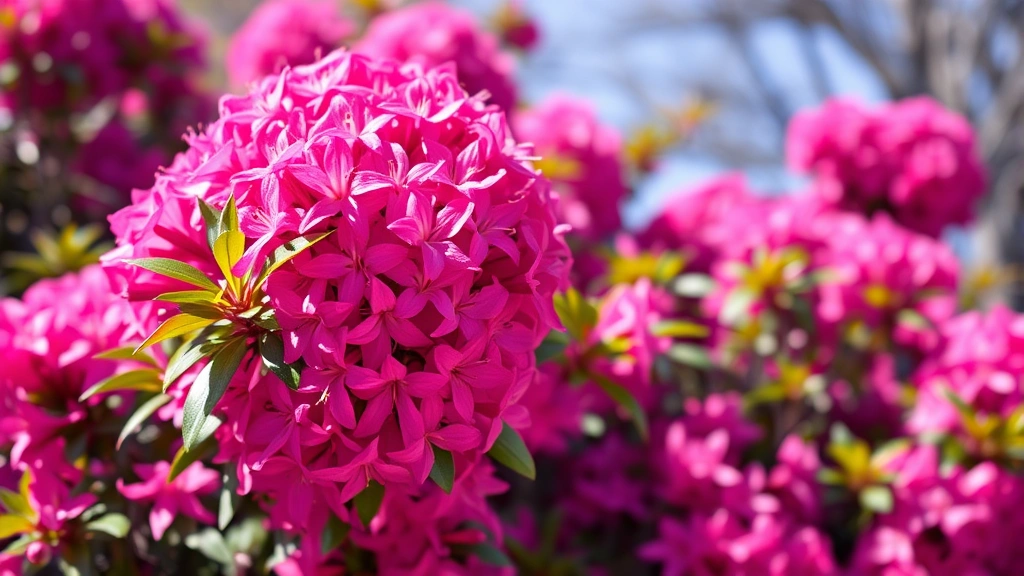
Explore Kraft Azalea Garden: Visitor Insights and Growing Tips
The Kraft Azalea Garden stands as one of the most enchanting floral destinations for gardeners and nature enthusiasts alike. Located in Thomasville, Georgia, this remarkable 10-acre garden showcases thousands of azaleas in their full springtime glory, creating a breathtaking landscape that attracts visitors from around the world. Whether you’re a seasoned gardener looking to enhance your own azalea collection or a curious visitor seeking inspiration, understanding what makes this garden special can transform your appreciation for these vibrant flowering shrubs.
Visiting the Kraft Azalea Garden provides more than just aesthetic pleasure—it offers practical insights into azalea cultivation, landscaping design, and the botanical principles that make these plants thrive. From the carefully maintained pathways winding through dense blooms to the thoughtful placement of companion plantings, every element reveals valuable lessons for home gardeners. This comprehensive guide shares visitor experiences and actionable knowledge to help you create your own azalea-inspired garden space.
Understanding Azalea Varieties at Kraft Garden
The Kraft Azalea Garden features an impressive collection of azalea cultivars, each with distinct characteristics that make them valuable additions to any gardening project. Visitors immediately notice the remarkable diversity—from the deep crimson blooms of ‘Hershey’s Red’ to the delicate pink petals of ‘Fashion.’ Understanding these varieties helps gardeners make informed decisions about which types suit their climate and aesthetic preferences.
Southern indica azaleas dominate much of the garden’s landscape, thriving in the warm Georgia climate. These evergreen varieties maintain their foliage year-round, providing structural interest even after flowering concludes. Deciduous azaleas, often called Ghent or Mollis hybrids, offer softer pastel hues and fragrant blooms that fill the spring air with sweet perfume. Native azalea species like the pinxterbloom azalea demonstrate how regional plants adapted to local growing conditions can create authentic, sustainable landscapes.
The garden’s curators have carefully selected cultivars that showcase different bloom times, extending the visual spectacle across several weeks. Early-season varieties begin flowering in February, while late bloomers continue into May. This succession of color demonstrates an important principle for home gardeners: selecting varieties with staggered bloom times creates extended seasonal interest and maximizes your garden’s visual impact throughout spring.
Visitors often observe the relationship between azalea color intensity and light exposure. Darker reds and purples develop richer pigmentation in areas receiving morning sun with afternoon shade, while lighter pinks and whites actually benefit from increased shade to prevent color fading. This observation directly applies to your own garden planning, where microclimate awareness becomes essential for achieving the most vibrant displays.
Planning Your Visit: Best Times and Seasonal Highlights
Timing your visit to the Kraft Azalea Garden maximizes your experience and provides the most relevant insights for your own gardening endeavors. Peak bloom typically occurs during mid-April through early May in Thomasville, though this varies with seasonal weather patterns. Checking the garden’s website or contacting local extension services provides current bloom status before planning your trip.
Early spring visits reveal the garden’s transition from dormancy to explosive growth. The emerging foliage, tender new shoots, and the first tentative flower buds offer lessons in azalea phenology—the timing of biological events throughout the year. Observing how plants respond to lengthening days and warming temperatures helps gardeners understand what triggers flowering in their own landscapes.
Mid-season visits capture the garden at its most spectacular, with nearly complete bloom coverage across all plantings. This is the ideal time to photograph color combinations, note which varieties appeal to you most, and sketch design ideas for your home landscape. The abundance of flowers demonstrates azaleas’ potential impact when massed together—a principle that garden structures like arbors and trellises can beautifully frame.
Late-season visits offer different advantages, particularly for observing how plants perform as flowers fade. You’ll notice which varieties hold their color longest, which drop petals cleanly, and how the emerging foliage develops. This information proves invaluable for understanding long-term plant performance beyond the initial flowering spectacle.
Visiting during off-peak times provides opportunities to observe garden maintenance practices. Seeing how professionals manage deadheading, pruning, and pest control offers practical knowledge applicable to home gardens. The garden’s staff often shares insights with visitors about their cultivation techniques and seasonal care routines.
Garden Layout and Design Lessons
The Kraft Azalea Garden’s physical design demonstrates sophisticated landscaping principles that home gardeners can adapt to smaller spaces. The garden unfolds through a series of interconnected areas, each with distinct character yet flowing seamlessly into the next. This approach—creating garden rooms with defined purposes—creates visual interest and guides visitors naturally through the space.
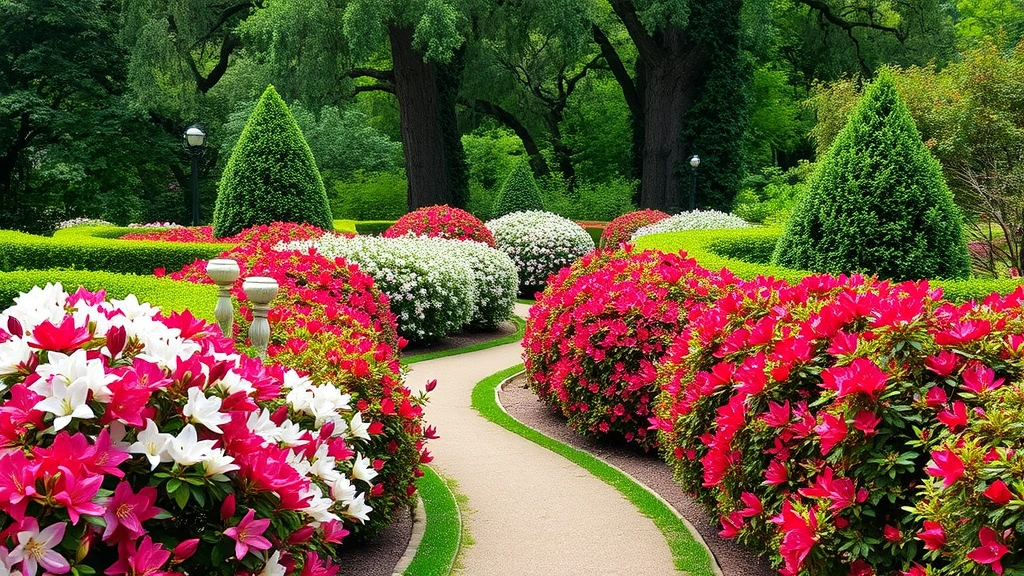
Pathways wind through dense plantings, allowing intimate encounters with individual plants while maintaining sight lines to distant focal points. This design technique prevents the garden from feeling cluttered despite containing thousands of plants. For home gardeners, this suggests that thoughtful spacing and strategic view corridors make even modest-sized gardens feel larger and more sophisticated.
The garden strategically uses elevation changes to create drama and visual interest. Higher plantings draw the eye upward, while lower specimens create depth. Visitors notice how mature specimens tower above younger plants, creating a natural canopy that filters harsh afternoon sun—an important consideration for azalea cultivation in hot climates.
Specimen placement demonstrates the principle of layering. Tall trees provide overhead shade, mid-sized shrubs like azaleas occupy the understory, and low groundcovers anchor the composition at ground level. This vertical stratification mimics natural forest ecosystems and creates more resilient, visually interesting landscapes than single-layer plantings.
The garden’s use of hardscape elements—stone pathways, benches, and water features—provides respite points and visual anchors. These non-plant elements prevent viewer fatigue and create opportunities for reflection. In home landscapes, similar features help organize space and provide functional benefits alongside aesthetic enhancement.
Azalea Growing Conditions and Care Requirements
Observing azaleas in the Kraft Garden reveals fundamental truths about their growing requirements. These plants thrive in acidic, well-draining soil rich in organic matter—conditions that gardeners must actively create and maintain. The garden’s soil has been carefully amended over decades, building the ideal growing environment through consistent management.
Azaleas require consistent moisture without waterlogging, a balance the garden achieves through excellent drainage combined with regular irrigation. Visitors who observe the garden after rainfall notice how quickly water moves through the soil, preventing the soggy conditions that cause root rot. For home gardeners, this emphasizes the importance of soil preparation—amending clay soils with peat moss, bark, and compost creates the loose, well-draining medium azaleas demand.
Shade requirements vary by azalea type and climate. Southern indica varieties tolerate more sun than deciduous types, yet all benefit from afternoon shade in hot regions. The garden demonstrates this through strategic tree placement and understory positioning. In warmer climates, understanding microclimates becomes essential—the same principles apply whether growing vegetables or ornamental plants.
Nutrient requirements at the Kraft Garden are managed through targeted fertilization timed to plant growth stages. Acidifying fertilizers maintain the low soil pH azaleas prefer, typically between 4.5 and 6.0. The garden’s staff applies fertilizer in early spring before blooming and again after flowering concludes, supporting vigorous growth during the active season while avoiding late-season applications that stimulate tender new growth vulnerable to frost damage.
Pest and disease management in the garden relies heavily on cultural practices rather than chemical interventions. Proper spacing ensures air circulation, reducing fungal diseases. Healthy plants maintained under optimal growing conditions resist pests more effectively than stressed specimens. This integrated approach demonstrates that prevention through proper care surpasses reactive pest management.
Incorporating Azaleas Into Your Home Landscape
The Kraft Garden’s success inspires home gardeners to integrate azaleas into their own landscapes, though adaptation is necessary for smaller spaces and different climates. Rather than attempting to replicate the garden’s scale, consider how its design principles apply to your specific situation.
Start by assessing your site’s light and soil conditions. Azaleas need afternoon shade in most climates, so identify areas receiving morning sun with afternoon protection from large trees or structures. Test your soil pH—azaleas thrive in acidic conditions, and if your soil is alkaline, amending becomes essential before planting. Creating proper growing conditions applies across all plants, from ornamentals to food crops.
Select varieties suited to your hardiness zone and climate. If you live in the warm South, Southern indica varieties provide excellent performance and evergreen structure. In colder regions, deciduous Ghent hybrids offer hardiness combined with fragrant blooms. Native azalea species provide additional options for gardeners seeking regionally appropriate plants.
Plan for mature size rather than purchasing small nursery specimens. Azaleas eventually reach substantial dimensions—typically 4 to 8 feet tall and wide depending on variety. Spacing them appropriately at planting prevents future crowding and allows for air circulation that reduces disease pressure. The garden’s mature specimens demonstrate the dramatic impact properly spaced plants achieve over time.
Consider bloom time succession in your selections. Choosing early, mid-season, and late varieties extends your azalea display across several weeks. This approach works particularly well in foundation plantings or mixed borders where continuous color proves valuable.
Companion Plants and Mixed Borders
The Kraft Azalea Garden doesn’t exist in isolation—companion plantings enhance and complement the azaleas while creating more complex, interesting landscapes. Native understory plants like ferns, foamflower, and native gingers thrive in the same acidic, shaded conditions azaleas prefer. These companions provide textural contrast and extend visual interest beyond the flowering season.
Shade-tolerant perennials like hellebores, bleeding heart, and astilbe integrate beautifully with azaleas, providing spring color before and after azalea bloom while offering different flower forms and textures. Bulbs including Spanish bluebells, camassia, and erythronium emerge through azalea plantings, creating layered spring displays.
Evergreen companions like hollies, leucothoe, and cherry laurel provide year-round structure and foliage contrast. These plants share azaleas’ preference for acidic, well-draining soil and similar moisture requirements. The garden demonstrates how mixing evergreen and deciduous plants creates dynamic seasonal interest—winter structure combined with spring floral abundance.
Hostas, with their bold foliage and shade tolerance, complement azaleas’ finer textures. The contrast between hosta leaves and azalea flowers and foliage creates visual interest in mixed borders. Similarly, ferns in various sizes and frond patterns add delicate texture that sets off azalea blooms.
Consider how garden tools and hardscape elements interact with plantings. Stone pathways, benches, and water features in the Kraft Garden serve both functional and aesthetic purposes, providing respite and focal points while protecting plants from foot traffic.
Seasonal Maintenance and Year-Round Care
Maintaining azaleas at the Kraft Garden’s level requires understanding seasonal care needs and implementing consistent management practices. Spring maintenance begins before growth emerges, with careful fertilization and mulch renewal. The garden applies acidifying fertilizer in early spring, supporting vigorous growth during the active season.
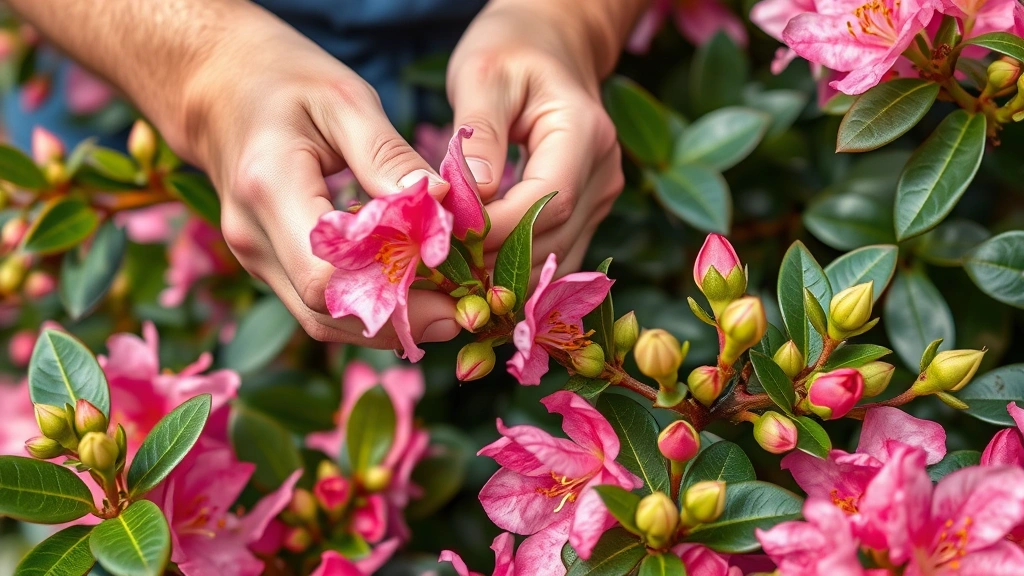
Pruning occurs immediately after flowering concludes, typically in late May or early June. The garden’s horticulturists remove spent flowers and shape plants without cutting into old wood, which lacks dormant buds. This timing allows new growth to develop during summer, with flower buds forming for the following spring. Heavy pruning should be avoided after mid-summer, as it removes developing flower buds.
Summer care focuses on consistent watering during dry periods and monitoring for pests and diseases. The garden’s staff observes plants regularly, addressing problems early before they become widespread. Adequate moisture proves critical during summer heat, particularly for newly planted specimens that haven’t developed extensive root systems.
Mulching provides essential benefits year-round. A 2- to 3-inch layer of pine bark or compost conserves soil moisture, moderates soil temperature, and adds organic matter as it decomposes. The garden maintains consistent mulch depth, particularly around younger plants requiring more intensive management.
Fall preparation involves reducing fertilization to avoid stimulating tender new growth vulnerable to frost damage. The garden ensures adequate moisture heading into winter, as evergreen azaleas continue transpiring even when dormant. Winter protection in cold climates may involve burlap wrapping for exposed plants, though most azaleas prove hardy to their designated zones without special protection.
Deadheading spent flowers, while labor-intensive on large scales, improves plant appearance and directs energy toward vegetative growth rather than seed production. The garden’s horticulturists deadhead selectively, focusing on highly visible plants while allowing some flowers to remain on less prominent specimens.
Disease and pest management relies on cultural practices and observation. Good air circulation through proper spacing and pruning reduces fungal diseases. Healthy plants maintained under optimal conditions resist pests more effectively. If problems occur, the garden uses targeted, least-toxic interventions rather than broad-spectrum applications.
FAQ
What is the best time to visit the Kraft Azalea Garden?
Peak bloom occurs mid-April through early May in Thomasville, Georgia, though timing varies with seasonal weather. Check the garden’s website for current bloom status before planning your visit. Early spring visits reveal plant emergence and growth cycles, while late-season visits show how plants perform as flowers fade.
Can I grow azaleas in my climate?
Azaleas grow across most of North America with proper variety selection. Southern indica varieties suit warm climates, while deciduous Ghent hybrids provide hardiness in colder regions. Native azalea species offer excellent options for gardeners seeking regionally appropriate plants. Check your hardiness zone and select appropriate cultivars accordingly.
What soil conditions do azaleas require?
Azaleas thrive in acidic, well-draining soil rich in organic matter, ideally with pH between 4.5 and 6.0. Amend clay soils with peat moss, bark, and compost to create the loose, well-draining medium azaleas demand. Test your soil pH before planting and adjust as necessary through amendments or acidifying fertilizers.
How much shade do azaleas need?
Azaleas require afternoon shade in most climates, particularly in warm regions. Morning sun with afternoon protection from large trees or structures provides ideal conditions. Some varieties tolerate more sun than others—Southern indicas accept more sun than deciduous types, though all benefit from afternoon shade in hot climates.
When should I prune my azaleas?
Prune immediately after flowering concludes, typically in late May or early June. This timing allows new growth to develop during summer with flower buds forming for the following spring. Avoid heavy pruning after mid-summer, as it removes developing flower buds and may stimulate tender new growth vulnerable to frost damage.
How often should I fertilize azaleas?
Apply acidifying fertilizer in early spring before growth emerges and again after flowering concludes. Avoid fertilizing after mid-summer, as late applications stimulate tender new growth vulnerable to frost damage. Healthy plants in well-amended soil may require minimal additional fertilization beyond these two applications.
What companion plants work well with azaleas?
Shade-tolerant plants sharing azaleas’ preference for acidic, well-draining soil work beautifully as companions. Ferns, hostas, hellebores, bleeding heart, astilbe, and native understory plants integrate well. Evergreen companions like hollies and leucothoe provide year-round structure. Spring bulbs including bluebells and camassia create layered displays through azalea plantings.
How do I maintain azaleas year-round?
Spring involves fertilization and mulch renewal. Summer requires consistent watering and pest monitoring. Fall focuses on reducing fertilization to prevent tender new growth. Winter preparation ensures adequate moisture for evergreen varieties. Consistent mulching year-round conserves moisture and moderates soil temperature while adding organic matter.


