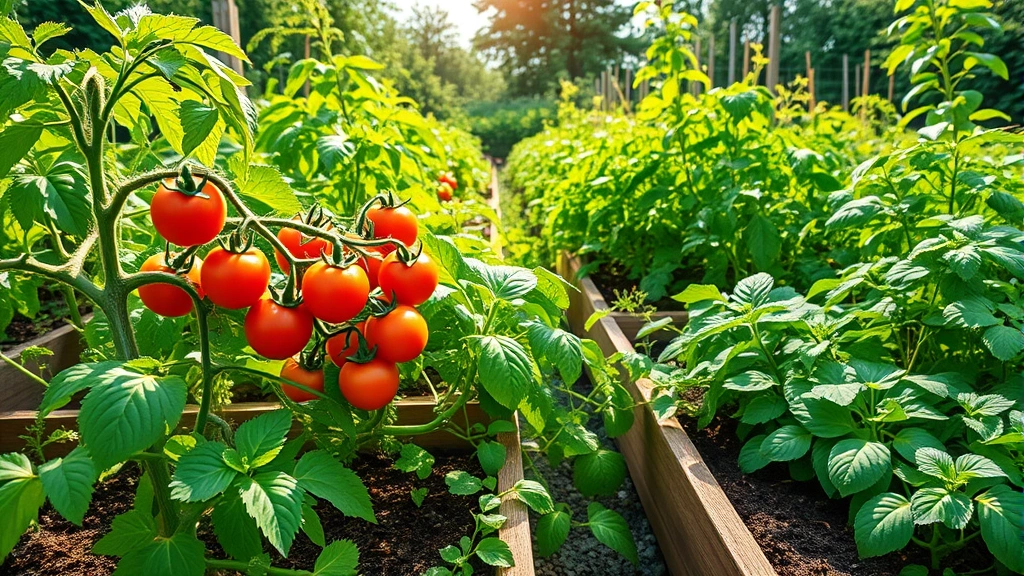
Home gardens represent far more than decorative outdoor spaces—they are investments in personal health, environmental sustainability, and family wellbeing. As a horticulturist with over two decades of experience, I’ve witnessed the transformative power of growing plants at home, from modest container gardens to sprawling vegetable patches. The value of home gardens extends far beyond the produce harvested or flowers enjoyed; it encompasses physical exercise, mental wellness, educational opportunities, and tangible economic savings that accumulate season after season.
Whether you’re considering how to start a flower garden or exploring gardening tips for beginners, the decision to cultivate a home garden is one that yields returns across multiple dimensions of your life. In this comprehensive guide, I’ll share horticulturist insights into why home gardens matter, the documented benefits, and practical approaches to maximizing their value for your household.
Economic Value and Cost Savings
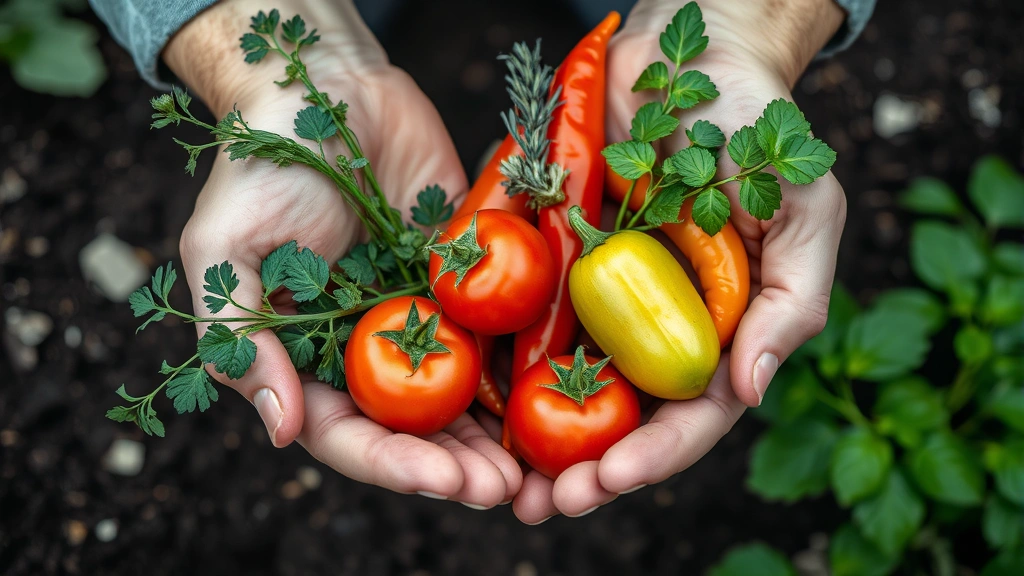
The most immediately quantifiable value of home gardens lies in their economic returns. A modest vegetable garden producing just $600 worth of produce annually represents a significant return on investment, especially when you consider that most home gardeners spend far less than that on seeds, soil amendments, and basic tools. Research from the National Gardening Association indicates that the average home garden generates approximately $1,600 in produce value per year, with some well-established gardens producing substantially more.
Beyond fresh produce, home gardens reduce grocery expenses by decreasing dependence on commercially grown vegetables that carry substantial transportation, storage, and retail markup costs. When you prepare garden soil for a thriving garden, you’re investing in years of productivity. Quality soil amendments made from household compost cost virtually nothing compared to purchasing bagged vegetables throughout the year. Herbs represent another exceptional value proposition—a single herb plant can produce harvests worth $20-30 in retail pricing, and perennial herbs like herb garden sage continue producing for years with minimal input.
Property value enhancement is another economic consideration often overlooked. Homes with mature, well-maintained gardens typically command higher selling prices and attract buyers more quickly. A vertical garden or professionally designed landscape can increase curb appeal and property valuation by 5-10 percent, representing tens of thousands of dollars on an average home.
Health and Wellness Benefits
From a horticulturist’s perspective, the health benefits of home gardening rival any gymnasium membership or wellness program. Gardening provides consistent moderate physical activity—digging, planting, weeding, and harvesting engage multiple muscle groups and improve cardiovascular health. Studies published by the Royal Horticultural Society demonstrate that regular gardeners show improved fitness levels, lower BMI measurements, and reduced blood pressure compared to non-gardeners.
Mental health improvements are equally compelling. The act of working with soil and plants reduces cortisol levels, the primary stress hormone. Gardeners report lower anxiety, improved mood, and better sleep quality. The combination of physical activity, sunlight exposure, and connection with nature creates a therapeutic environment that pharmaceutical interventions often struggle to replicate. Horticultural therapy programs have become standard treatments in hospitals and mental health facilities precisely because of these documented benefits.
Nutritional value cannot be separated from health benefits. Homegrown vegetables picked at peak ripeness contain significantly higher micronutrient levels than store-bought produce that may have traveled thousands of miles and sat in storage for weeks. The nutritional density of freshly harvested tomatoes, leafy greens, and berries far exceeds their commercial equivalents. Families who grow their own vegetables also demonstrate increased vegetable consumption, particularly among children who are more likely to eat vegetables they’ve grown themselves.
Environmental Impact and Sustainability
Home gardens serve as crucial components of local environmental health and global sustainability efforts. When you cultivate plants at home, you reduce reliance on industrialized agriculture with its associated transportation emissions, pesticide applications, and water waste. A single home garden eliminates the need for numerous plastic-packaged grocery store purchases, reducing household waste streams substantially.
Gardens create habitat for pollinators, beneficial insects, and wildlife. Native plantings support local ecosystems and contribute to biodiversity preservation at a time when habitat loss threatens countless species. By avoiding chemical pesticides and herbicides, home gardeners protect groundwater quality and reduce agricultural runoff that damages aquatic ecosystems. The cumulative effect of thousands of home gardens adopting organic practices represents meaningful environmental restoration.
Carbon sequestration through gardening deserves mention—growing plants captures atmospheric carbon dioxide while improving soil quality. Perennial plants and trees provide decades of carbon storage. Additionally, home gardens reduce reliance on refrigeration and transportation infrastructure, lowering the carbon footprint associated with food systems. Composting garden waste and kitchen scraps closes nutrient cycles that industrial agriculture disrupts, creating self-sustaining growing systems.
Educational and Family Benefits
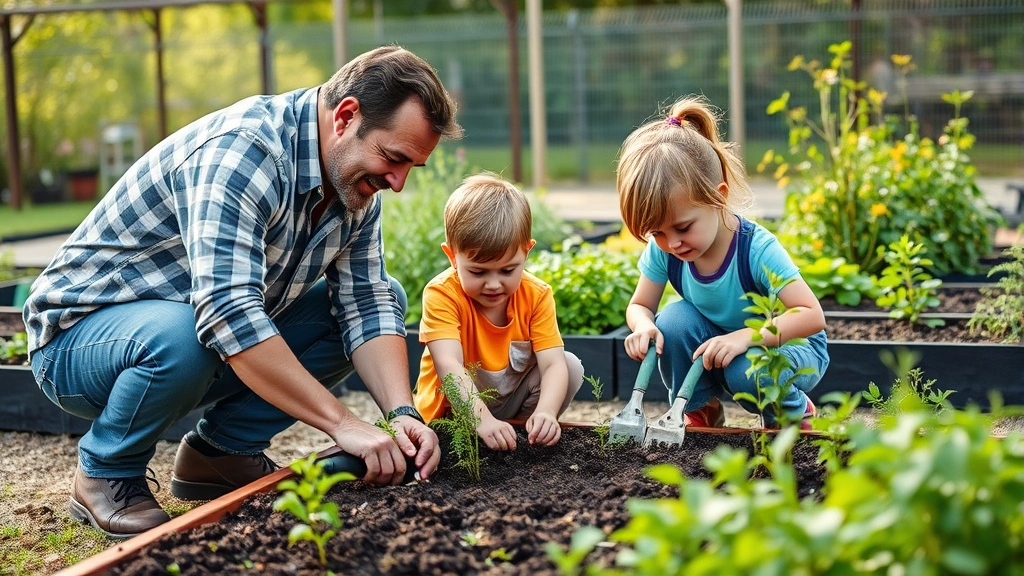
Home gardens function as living classrooms where children learn biology, ecology, chemistry, and mathematics through direct observation. Kids who participate in gardening develop stronger understanding of plant life cycles, soil science, and nutritional principles. They learn patience, responsibility, and the consequences of neglect or poor decision-making—valuable life lessons that no classroom can fully replicate.
Family bonding increases through shared gardening activities. Working together toward a common goal—harvesting vegetables or maintaining flower beds—creates positive shared experiences and memories. Parents report improved communication with children, particularly adolescents, when gardening together. The non-competitive nature of gardening makes it accessible for family members of all ages and abilities.
Cultural and culinary education naturally emerges from home gardening. Growing ingredients from different cuisines connects families to heritage, culture, and global food traditions. Children who grow their own food develop lifelong interest in cooking, nutrition, and agriculture. They understand food origins and appreciate the labor involved in food production—perspectives increasingly rare in modern consumer culture.
Choosing Your Garden Type
Determining which garden type maximizes value for your situation requires honest assessment of available space, time commitment, and household needs. A vegetable garden delivers maximum economic return, potentially producing hundreds of dollars in fresh produce annually. Container gardens suit apartment dwellers and those with limited space, while still providing fresh herbs and some vegetables. Fairy garden ideas and ornamental plantings offer aesthetic and mental health benefits without vegetable-growing demands.
Herb gardens represent exceptional value propositions for busy households—they require minimal space, produce year-round in many climates, and deliver expensive ingredients at virtually zero cost. A windowsill herb garden costs $30-50 initially but produces $200+ in herb value annually. Perennial herb gardens become more productive each year with minimal maintenance.
Pollinator gardens and native plant gardens provide environmental value while requiring less active management than vegetable gardens. Once established, native plantings require minimal watering, fertilizing, or pest management. They create beautiful landscapes while supporting local ecosystems and providing educational opportunities about regional plant communities.
Fruit and nut trees represent long-term investments with decades of productivity. While initial establishment takes time, mature trees produce abundant harvests requiring minimal intervention. Berry bushes offer earlier returns—many produce fruit within two to three years while offering beautiful foliage and flowers.
Getting Started Successfully
The most common reason home gardeners abandon their efforts is poor planning and unrealistic expectations. Starting small ensures higher success rates and allows you to develop skills progressively. A single 4×8 raised bed produces more vegetables than most households can consume in season, yet requires only 30 minutes weekly maintenance. Begin with this scale rather than attempting a full-size garden that becomes overwhelming.
Site selection determines success more than any other factor. Most vegetables require six to eight hours of direct sunlight daily. Observe your space throughout the day and across seasons before committing to a garden location. Proximity to water sources, good drainage, and protection from strong winds all influence productivity.
Soil quality fundamentally determines garden success. Invest time and resources into preparing garden soil before planting. Soil testing through your local SARE (Sustainable Agriculture Research and Education) program provides detailed recommendations for amendments and improvements specific to your soil conditions. Rich, well-draining soil amended with compost supports vigorous plant growth and reduces pest and disease problems.
Plant selection should align with your climate zone, available resources, and household preferences. Cool-season crops like lettuce and broccoli succeed in spring and fall, while warm-season crops like tomatoes and peppers require summer heat. USDA Plant Hardiness Zones and your local cooperative extension provide climate-specific guidance for plant selection.
Water management profoundly impacts garden success and resource conservation. Drip irrigation systems deliver water directly to plant roots, reducing water waste and fungal diseases. Mulching conserves moisture, moderates soil temperature, and suppresses weeds. Most gardens require one to two inches of water weekly, adjustable based on rainfall and soil conditions.
Pest and disease management through organic methods protects your investment while maintaining environmental quality. Hand-picking pests, encouraging beneficial insects, and selecting disease-resistant varieties address most problems without chemical interventions. Proper spacing, adequate sunlight, and air circulation prevent many fungal diseases.
FAQ
How much money can a home garden save annually?
The average home vegetable garden saves $600-$1,600 annually in produce costs, depending on garden size, crop selection, and local produce prices. Herb gardens save $200-$400 yearly, while established fruit trees provide decades of returns. Total household savings increase when considering reduced grocery trips, lower transportation costs, and eliminated packaging waste.
What is the best starting garden size for beginners?
A single 4×8 raised bed or equivalent ground-level garden space provides ideal starting scale. This size requires manageable weekly maintenance (30-45 minutes), produces substantial harvests, and allows skill development without overwhelming commitment. Expand based on success and available time.
Can I grow a productive garden in containers?
Yes, container gardening produces excellent results for vegetables, herbs, and some fruits. Use containers at least 12 inches deep for most vegetables, ensure quality potting soil, and maintain consistent watering. Container gardens suit apartments, patios, and spaces with poor ground-level soil.
What’s the best time to start a garden?
Spring is ideal for most regions, allowing you to establish gardens before summer heat. However, fall gardening in many climates produces excellent results with less pest pressure. Start planning in late winter, prepare soil in early spring, and plant based on your local frost dates and growing season length.
How do I improve poor soil for gardening?
Amend poor soil with 2-4 inches of compost mixed into the top 8-12 inches of existing soil. Add organic matter annually to build soil structure and fertility. Get soil testing done through your local extension office to identify specific deficiencies and appropriate amendments for your situation.
Is organic gardening more expensive than conventional methods?
Organic gardening typically costs less long-term because organic practices build soil health and reduce pest problems naturally. Initial compost and mulch investments pay dividends through improved soil quality and reduced fertilizer needs. You eliminate expensive chemical inputs while producing healthier food.


