Beast-Free Gardening? Expert Pest Control Tips for a Thriving Garden
When you step into the garden of beasts—where aphids multiply by the thousands, slugs devour tender seedlings overnight, and Japanese beetles strip leaves bare—it’s easy to feel defeated. But here’s the truth: you don’t need chemical warfare to reclaim your garden sanctuary. Modern integrated pest management (IPM) combines observation, prevention, and targeted interventions to keep your plants healthy while maintaining ecological balance. Whether you’re growing delicate peas in your garden or robust pumpkin plants, understanding pest dynamics transforms you from a reactive gardener into a proactive plant steward.
The secret to beast-free gardening isn’t eliminating every insect—it’s maintaining the delicate equilibrium where beneficial predators keep destructive pests in check. This comprehensive guide walks you through expert strategies that have been tested in gardens from suburban backyards to commercial operations, drawing on research from university extension services and master gardener programs across North America.
Understanding the Garden Ecosystem
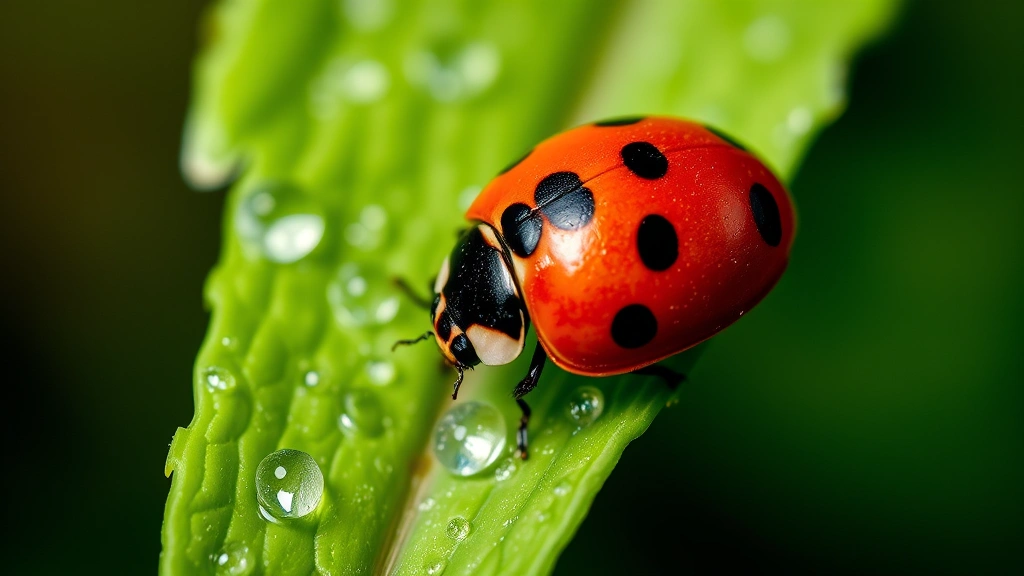
Before you can effectively manage pests, you need to understand that your garden is a complex ecosystem where thousands of organisms interact daily. The garden of beasts includes not just the destructive pests, but also their natural enemies. Ladybugs consume hundreds of aphids. Parasitic wasps lay eggs inside pest insects. Ground beetles hunt slugs and snails. Spiders create invisible pest-trapping networks across your plants.
The problem with broad-spectrum pesticides is that they indiscriminately kill beneficial insects along with pests, disrupting this natural balance and often creating worse problems down the road. When you eliminate the predators, pest populations explode without their natural checks. This is why organic and integrated approaches consistently outperform chemical-only strategies over time.
Start by identifying what’s actually in your garden. Many gardeners assume every insect is a threat. In reality, roughly 97% of insects are either neutral or beneficial to your garden. The remaining 3% cause problems, but even these can be managed without nuclear-option treatments. Invest in a simple hand lens or macro lens for your phone camera. Spend time observing your plants, especially in early morning or late evening when many insects are active.
Prevention: Your First Line of Defense
The oldest gardening wisdom holds true: an ounce of prevention is worth a pound of cure. Prevention starts with preparing your garden soil for a thriving garden, because healthy plants with strong immune systems resist pests far better than stressed plants. Proper soil structure, adequate organic matter, balanced nutrients, and appropriate pH all contribute to plant vigor.
Site selection matters enormously. Choose locations with appropriate sunlight for your plants. A sun-lover growing in shade becomes weak and susceptible to pests. Ensure adequate air circulation—cramped, humid conditions favor fungal diseases and some pest populations. When building your garden infrastructure, consider a DIY raised garden bed, which provides better drainage and soil control than in-ground planting.
Variety selection is your secret weapon. Pest-resistant varieties exist for almost every vegetable and ornamental plant. Check seed catalogs and nursery labels for disease and pest resistance codes. These varieties have been bred or naturally selected to resist common problems in their regions. Growing resistant varieties isn’t surrender—it’s smart gardening that reduces pest pressure from the start.
Sanitation practices prevent pest populations from establishing. Remove fallen leaves and dead plant material where pests overwinter. Clean up crop residues at season’s end. Disinfect your garden tools between plants with a 10% bleach solution to prevent spreading diseases. These simple habits interrupt pest life cycles before they become problems.
Cultural Controls and Garden Practices
Cultural controls use normal gardening practices to manage pests. Crop rotation is fundamental. Different pests and diseases target specific plant families. By rotating crops—not planting tomatoes in the same bed year after year—you break pest life cycles. Many pest larvae overwinter in soil expecting their host plant to emerge in spring. When they find something else instead, they starve.
Intercropping and companion planting leverage plant relationships to confuse or repel pests. Marigolds planted near vegetables can deter certain insects through their odor. Herbs like basil and cilantro attract beneficial insects while potentially confusing pests looking for their host plants. Diversity itself is protective—a monoculture invites pest explosions, while mixed plantings create natural barriers.
Timing of planting and harvesting influences pest pressure. Many pests follow predictable seasonal patterns. Plant early-season crops before major pest emergence, or time plantings for late-season crops after peak pest activity. Early morning watering allows foliage to dry quickly, reducing fungal disease risk. Overhead watering in evening creates the damp conditions many pests prefer, so adjust your irrigation accordingly.
Proper spacing ensures air circulation and reduces disease pressure. Crowded plants create humid microclimates where fungal diseases thrive and pest populations concentrate. Follow spacing recommendations on seed packets and plant labels. This might feel wasteful initially, but the reduction in pest and disease problems more than compensates.
Mulching provides multiple benefits in the garden of beasts management. Organic mulch moderates soil temperature and moisture, supporting plant health. It also creates barriers that deter slugs and snails, and it provides habitat for beneficial ground-dwelling insects like ground beetles and centipedes that hunt pest species.
Physical and Mechanical Pest Management
Sometimes the simplest solutions prove most effective. Hand-picking pests works surprisingly well for larger insects like Japanese beetles, caterpillars, and grasshoppers. Early morning is ideal—pests move slowly in cool temperatures. Drop them into soapy water to dispatch them humanely. While labor-intensive for large gardens, this approach works excellently for smaller plantings or high-value plants.
Row covers and netting physically exclude pests from plants. Floating row covers allow light and water penetration while blocking insects. Use them early in the season before pests become abundant. Remove covers when plants flower and need pollinator access. Fine mesh netting protects against flying insects. These barriers are particularly effective for young plants that are most vulnerable to pest damage.
Water spray management deters many soft-bodied insects. A strong water spray from your hose dislodges aphids, spider mites, and other pests without harming the plant. This works best as a preventive measure when populations are low. Repeat every few days as needed. The water also rinses dust from leaves, improving plant health and photosynthesis.
Sticky traps and pheromone traps provide monitoring and control. Yellow sticky traps attract and capture flying insects like whiteflies and fungus gnats. Pheromone traps lure specific pests like codling moths or Japanese beetles using species-specific attractants. These traps serve double duty—they control pest populations while helping you monitor what’s present in your garden.
Barriers and fencing protect against larger pests. Copper tape around container rims deters slugs and snails. Floating row covers exclude rabbits and deer when properly secured. Sturdy fencing keeps out larger animals. While these don’t address insect pests, they’re essential for comprehensive pest management in many regions.
Biological Controls and Beneficial Insects
Biological control harnesses natural predator-prey relationships. Rather than introducing exotic species, focus first on creating conditions that attract native beneficial insects already present in your region. A healthy population of native predators and parasitoids provides free, ongoing pest management.
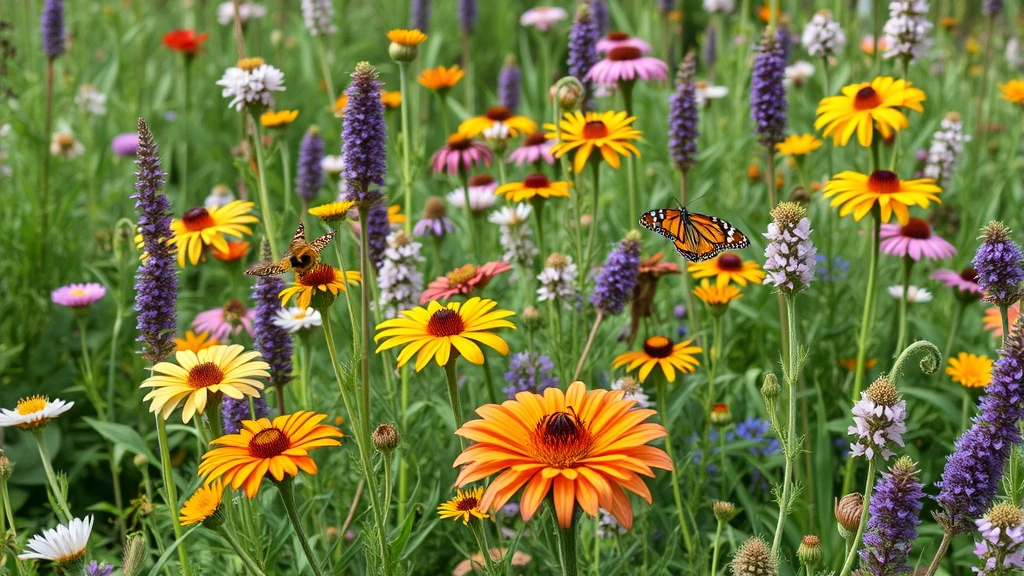
Native ladybugs, lacewings, and parasitic wasps are your allies. A single ladybug consumes 50-60 aphids daily. Parasitic wasps lay eggs in pest insects, which are then consumed from the inside. These insects are free, require no application, and work 24/7. Encourage them by providing pollen and nectar sources—native flowering plants, herbs, and cover crops all support beneficial insect populations.
Predatory mites control spider mites and other small pests without affecting plants. Ground beetles hunt slugs, snails, and other soil-dwelling pests. Centipedes and millipedes consume decaying matter and pest eggs. Spiders are voracious pest hunters, consuming thousands of insects annually. Avoid pesticides that kill these beneficial creatures, and provide habitat through mulch, leaf litter, and diverse plantings.
If native populations aren’t sufficient, you can purchase and release beneficial insects. Commercial sources provide ladybugs, lacewings, parasitic wasps, and predatory mites. Success requires understanding the species’ needs—temperature, humidity, host availability—and timing releases appropriately. Consult with your local extension service for beneficial insect recommendations.
Organic and Natural Treatment Options
When prevention and biological controls aren’t sufficient, several organic options address specific pest problems. These are less disruptive to beneficial insects than synthetic chemicals, though they’re not without impact.
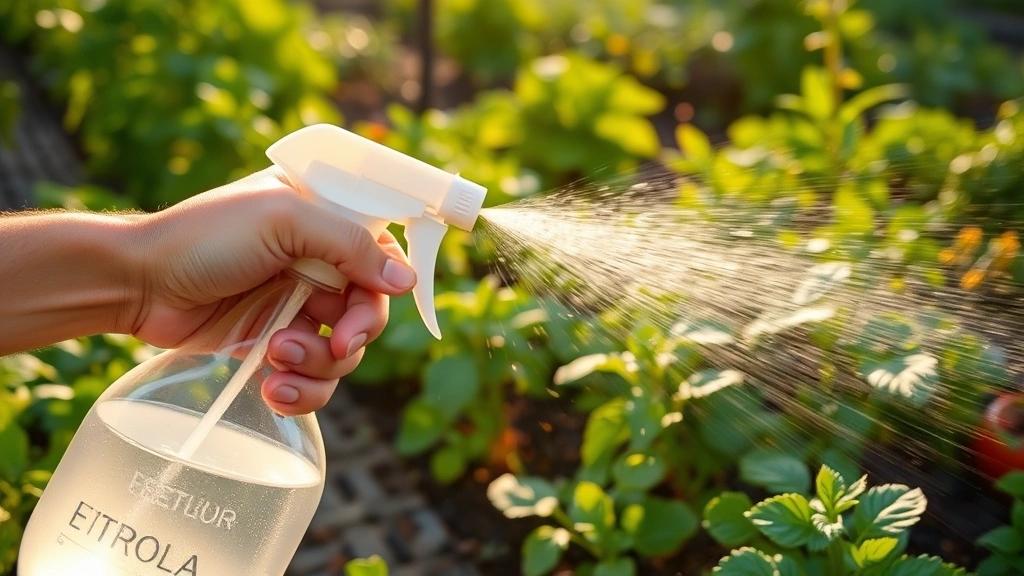
Neem oil disrupts insect feeding and reproduction. Derived from neem tree seeds, it works against aphids, whiteflies, spider mites, and some caterpillars. Apply in evening to avoid harming pollinators. It requires repeat applications as it breaks down quickly in sunlight.
Insecticidal soap targets soft-bodied insects like aphids, mealybugs, and spider mites by disrupting their cell membranes. It’s non-toxic to mammals and breaks down rapidly. However, it only works on contact and requires direct spray coverage. It also kills beneficial insects on contact, so apply carefully and only when necessary.
Spinosad is a naturally occurring soil bacterium product that paralyzes the nervous systems of certain insects, particularly caterpillars and sawflies. It’s more selective than broad-spectrum options and breaks down quickly in sunlight. Apply in evening when beneficial insects are less active.
Bacillus thuringiensis (Bt) specifically targets caterpillars. This naturally occurring bacterium produces proteins that damage insect digestive systems. It’s harmless to mammals, birds, and beneficial insects. Apply when caterpillars are actively feeding, as Bt must be ingested to work.
Diatomaceous earth (food-grade only) damages the exoskeletons of soft-bodied insects. It works well against slugs, snails, and some crawling insects. Reapply after rain since water reduces its effectiveness. Avoid inhaling the powder.
Sulfur prevents fungal diseases and controls spider mites and some other pests. Don’t apply when temperatures exceed 85°F or within two weeks of oil sprays. It can harm some plants, so check compatibility before use.
All organic treatments work best when used preventively or when pest populations are low. Once infestations become severe, control becomes much more difficult regardless of treatment method. This reinforces why prevention and cultural controls form the foundation of effective pest management.
Seasonal Pest Management Calendar
Effective pest management follows seasonal patterns. Understanding when pests emerge, peak, and decline allows you to intervene most effectively.
Spring brings emerging insects as temperatures warm. This is when overwintering pests become active. Scout plants carefully for early infestations when populations are small and easy to manage. Apply dormant oil sprays on fruit trees before bud break to smother overwintering pests and eggs. Plant early-season crops before major pest emergence. Establish beneficial insect habitat by planting early-blooming native plants.
Early Summer marks peak pest activity as populations explode. Monitor plants multiple times weekly. Implement physical controls like row covers or hand-picking. Ensure adequate water and nutrition to help plants withstand pest pressure. This is the critical window where proactive management prevents late-season problems.
Mid to Late Summer often brings relief as beneficial insect populations peak and natural controls take effect. However, some pests like Japanese beetles reach peak activity. Continue monitoring and maintain cultural practices. Some gardeners find late summer is ideal for vertical garden installations, which improve air circulation and reduce pest habitat.
Fall focuses on cleanup and preparation for next season. Remove crop residues where pests overwinter. Plant cover crops that improve soil and interrupt pest cycles. Reduce watering as plants slow growth. This isn’t idle time—fall preparations dramatically reduce spring pest pressure.
Winter (in cold climates) naturally suppresses many pests through freezing temperatures. In mild climates, some pests remain active. Focus on sanitation and structural improvements. Plan next season’s crop rotation and variety selection. Order seeds and supplies for spring.
FAQ
What’s the difference between integrated pest management (IPM) and organic gardening?
IPM is a management philosophy that uses all available tools—cultural practices, biological controls, mechanical methods, and chemical treatments when necessary—prioritizing the least toxic options first. Organic gardening restricts chemical inputs to naturally derived products. Many organic gardeners practice IPM, but IPM isn’t exclusively organic. Both emphasize prevention and understanding pest ecology rather than reactive chemical spraying.
How can I tell if an insect is beneficial or harmful?
Beneficial insects include ladybugs (both spotted and solid-colored adults), lacewings (delicate, green or brown with large eyes), parasitic wasps (tiny, often with long ovipositors), ground beetles (dark, fast-moving), and spiders (eight legs, various colors). Harmful pests include aphids (small, pear-shaped, often clustered), Japanese beetles (metallic green and copper), caterpillars (especially on plants they’re damaging), spider mites (nearly invisible but cause stippling), and slugs (shell-less, slimy). When in doubt, photograph the insect and consult your local extension service.
Are pesticides ever necessary in a well-managed garden?
In many situations, no. A garden with strong soil, diverse plantings, beneficial insect populations, and good cultural practices often requires no pesticides. However, some pest outbreaks (like sudden Japanese beetle invasions) or diseases (like early blight on tomatoes) may justify treatment. The key is making informed decisions rather than defaulting to pesticides. Consult your extension service before treating—they can identify the problem and recommend the most effective, least toxic solution.
How long does it take to build a naturally balanced pest management system?
Most gardeners see significant improvements within the first season of implementing IPM practices. However, truly robust systems with established beneficial insect populations typically develop over 2-3 seasons. The investment in prevention and biological controls pays dividends through reduced pest pressure and lower management costs over time.
Can I use multiple pest management strategies together?
Absolutely—this is the core principle of IPM. Combining cultural practices (crop rotation, resistant varieties), physical controls (row covers, hand-picking), biological controls (beneficial insects), and organic treatments (neem oil when necessary) creates redundancy that prevents pest outbreaks. If one strategy fails, others provide backup protection.
What should I do if I accidentally kill beneficial insects?
Don’t panic. Beneficial insect populations recover relatively quickly if you stop using broad-spectrum pesticides and provide habitat. Plant native flowers, reduce pesticide use, maintain mulch and leaf litter, and avoid tilling soil. Within a few weeks to months, beneficial populations reestablish. This is why preventing their elimination through selective treatment is so important.