Creating a thriving herb garden doesn’t require years of experience or a sprawling outdoor space. Whether you’re a home chef looking to elevate your cooking with fresh ingredients or a beginner gardener seeking your first project, growing herbs offers immediate, practical rewards. Fresh basil, rosemary, thyme, and oregano transform ordinary meals into restaurant-quality dishes while filling your kitchen with aromatic fragrances that no dried herb can replicate.
Professional chefs consistently recommend growing your own herbs because the flavor intensity and freshness simply cannot be matched by store-bought alternatives. When you harvest herbs at peak ripeness and use them within minutes, you’re capturing essential oils and compounds that degrade significantly during commercial processing and storage. This guide walks you through everything you need to know to establish a productive herb garden that will supply your kitchen year-round.
Choosing the Right Location for Your Herb Garden
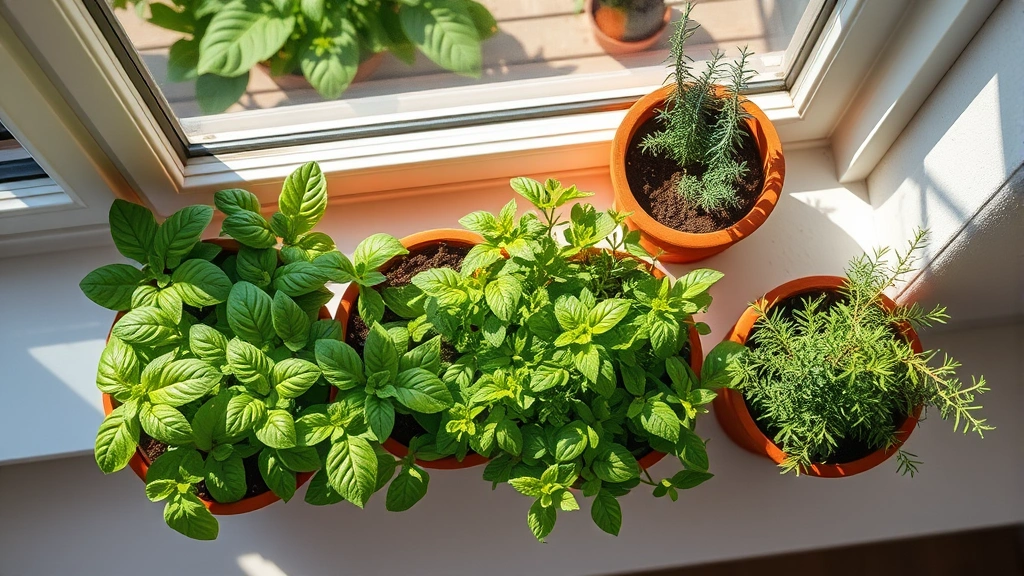
Sunlight is the single most critical factor determining herb garden success. Most culinary herbs—basil, oregano, thyme, rosemary, and sage—require a minimum of six hours of direct sunlight daily, with eight to ten hours being ideal. These Mediterranean-origin plants evolved in sunny, dry climates and simply won’t thrive in shade. If you’re working with limited outdoor space, consider a sunny windowsill or south-facing balcony as your primary growing zone.
When starting your gardening journey, location planning prevents frustration down the line. Position your herb garden near your kitchen for convenient harvesting during meal preparation. This proximity encourages regular use and helps you monitor plant health more frequently. Avoid areas with strong winds that can desiccate tender foliage, and ensure good air circulation to prevent fungal diseases common in humid, stagnant environments.
Temperature stability matters significantly. Most herbs prefer temperatures between 60-75°F (15-24°C). If you live in an area with harsh winters, an indoor herb garden setup near a sunny window provides year-round production. Cold-hardy herbs like thyme, rosemary, and sage tolerate freezing temperatures better than tender varieties like basil and cilantro, which should be brought indoors or replanted seasonally in colder climates.
Essential Herbs Every Home Chef Should Grow
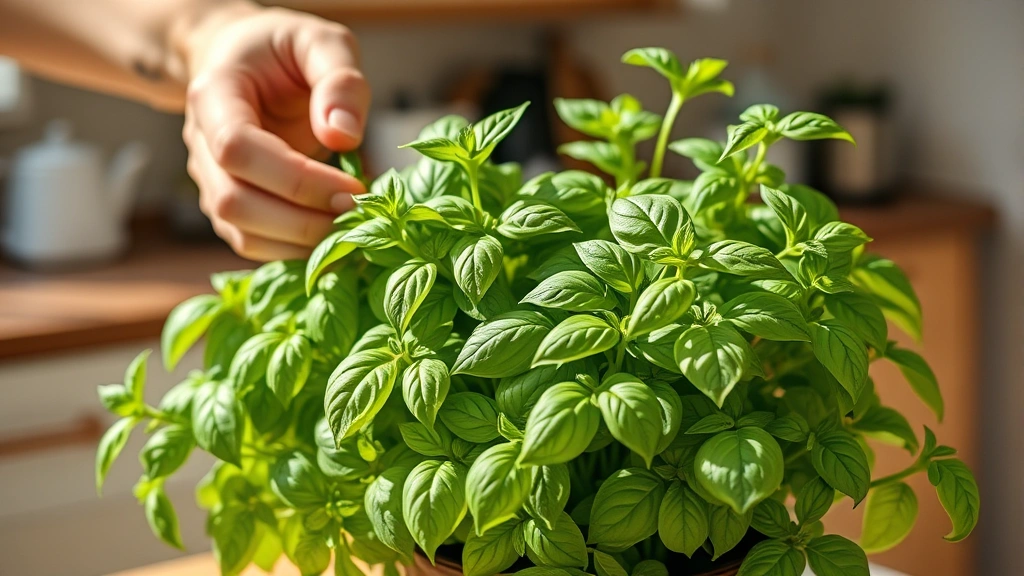
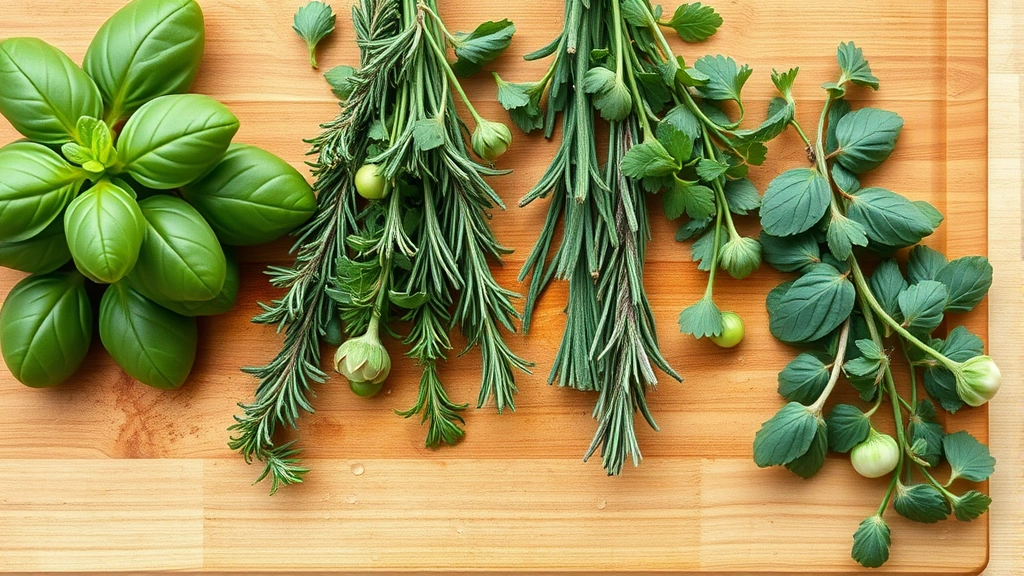
Professional chefs prioritize certain herbs because they deliver maximum flavor impact with minimal effort. Basil stands as the undisputed champion of culinary herbs—sweet, aromatic, and essential for Italian cuisine. Genovese basil produces larger leaves ideal for pesto, while Thai basil offers peppery complexity for Asian dishes. Plant basil in warm weather after frost danger passes, and pinch off flower buds to encourage bushier growth and extend your harvest window.
Oregano and marjoram provide earthy, slightly peppery notes that enhance Mediterranean dishes, soups, and roasted vegetables. These perennial herbs establish themselves quickly and tolerate neglect better than basil, making them perfect for beginning gardeners. Thyme varieties—common thyme, lemon thyme, and creeping thyme—offer subtle complexity and pair beautifully with roasted meats and vegetables. Rosemary’s needle-like leaves deliver intense, piney flavor and work wonderfully with lamb, potatoes, and bread.
Don’t overlook cilantro and parsley for fresh, bright notes in salsas, curries, and garnishes. Cilantro bolts quickly in heat, so succession plant every two weeks during cool seasons for continuous harvests. Mint, while aggressive and best contained in separate pots, provides refreshing flavor for beverages, desserts, and Middle Eastern cuisine. Sage’s robust, slightly peppery character complements poultry and squash beautifully. If you’re interested in expanding beyond herbs, learn about growing mint in pots, which employs the same fundamental techniques.
Soil Preparation and Container Selection
Quality soil foundation determines whether your herbs flourish or struggle. Unlike vegetable gardens requiring rich, nitrogen-heavy soil, herbs actually perform better in moderately fertile, well-draining medium. Create an ideal herb soil blend by combining one part compost, one part perlite or coarse sand, and two parts high-quality potting soil. This combination provides adequate nutrition while ensuring excellent drainage, preventing root rot that kills more herb plants than any other factor.
Container selection dramatically influences herb garden success. Terra cotta pots offer excellent drainage and breathability but require more frequent watering due to their porous nature. Plastic containers retain moisture longer, beneficial in dry climates. Ensure all containers have drainage holes—never use containers without drainage, as standing water creates anaerobic conditions that suffocate roots. For a mixed herb garden, use containers at least six inches deep for smaller herbs like thyme, and eight to twelve inches for larger plants like rosemary and oregano.
When planting multiple herbs in one container, group plants with similar water and sunlight requirements. Avoid combining water-loving cilantro with drought-tolerant rosemary, as their different needs make consistent care impossible. Individual pots provide flexibility, allowing you to move plants to optimal locations as seasons change. A tiered herb stand maximizes space while improving air circulation around foliage, reducing disease pressure.
Watering and Feeding Your Herbs
Proper watering separates successful herb gardeners from frustrated beginners. Most Mediterranean herbs prefer drying out slightly between waterings—this mimics their native growing conditions and prevents fungal issues. Check soil moisture by inserting your finger one inch deep; water only when soil feels dry at this depth. Overwatering kills more herbs than underwatering, so err on the side of caution, especially during cooler months when evaporation slows.
Water early morning to minimize disease risk and allow foliage to dry quickly. Avoid wetting leaves, which promotes fungal infections; instead, water soil directly at the plant base. Container herbs typically need daily watering during hot weather but only two to three times weekly in cool seasons. Cilantro and parsley tolerate slightly moister conditions than Mediterranean herbs, though they still need well-draining soil.
Fertilizing requirements remain minimal if you’ve amended soil with compost. A light feeding with balanced, water-soluble fertilizer every four to six weeks during the growing season supports vigorous growth without encouraging excessive foliage at the expense of flavor concentration. Alternatively, apply a thin layer of compost around plant bases quarterly. Avoid high-nitrogen fertilizers, which produce lush foliage with diluted flavor intensity. Organic options like fish emulsion or seaweed extract provide nutrients while supporting beneficial soil microbes.
Harvesting Techniques for Maximum Yield
Strategic harvesting transforms your herb garden into a continuously productive resource. Begin harvesting once plants establish four to six true leaves, typically three to four weeks after planting. Pinch off tender growing tips rather than cutting large sections, which encourages branching and bushier growth. This technique extends your harvest window significantly because pruned plants redirect energy into lateral shoots rather than flowering.
For leafy herbs like basil, oregano, and thyme, harvest from the top down, removing no more than one-third of foliage at any single harvest. This conservative approach ensures plants maintain sufficient leaf surface for photosynthesis and continued growth. Harvest in morning after dew dries but before intense midday heat, when essential oils peak. Herbs harvested during cooler hours maintain superior flavor and texture compared to midday harvests.
Prevent bolting—the transition to flowering—by removing flower buds as they appear on basil and cilantro. Once these herbs flower and set seed, foliage becomes bitter and growth slows dramatically. For herbs like oregano and thyme, allowing some flowers to bloom is acceptable since flowering doesn’t significantly compromise foliage quality. Harvest flowers just as they open for the most vibrant color and delicate flavor.
Use fresh herbs immediately for maximum flavor impact, but dried herbs store well for months. Tie small herb bundles with twine and hang upside-down in a warm, dark, well-ventilated space for two to three weeks until completely dry. Strip leaves from stems and store in airtight containers away from light. Frozen herbs work beautifully in cooked dishes—simply chop fresh herbs, place in ice cube trays with a bit of water or olive oil, and freeze for convenient portions.
Seasonal Care and Year-Round Growing
Spring through fall represents peak growing season for most herbs. As days lengthen and temperatures warm, herbs establish quickly and reward regular harvesting with abundant production. Monitor for common pests like spider mites and aphids; spray affected foliage with neem oil or insecticidal soap following product directions. Proper spacing and air circulation prevent most disease issues before they develop.
Winter care depends on your climate and herb selection. In mild regions, cold-hardy herbs like rosemary, thyme, and sage continue producing with minimal protection. Reduce watering frequency as growth slows dramatically in cool, dark months. In harsh climates, bring tender herbs indoors before first frost. Position containers in the brightest available window, preferably south-facing. Expect slower growth and smaller harvests indoors due to reduced light, but fresh herbs remain available throughout winter.
Succession planting extends your harvest window for fast-growing herbs. Plant cilantro and parsley every two weeks during spring and fall for continuous supply. Basil appreciates replanting every four to six weeks as older plants begin flowering. Perennial herbs like rosemary, thyme, and oregano provide reliable production year after year with minimal replanting. After three to four years, consider replacing woody perennials with younger plants, as they become less productive and more prone to disease with age.
If expanding your growing operations, consider container growing techniques that apply equally to fruits and vegetables. The same principles—drainage, sunlight, and appropriate soil—work across diverse plants. Many gardeners successfully combine herb gardens with small fruit and vegetable production in limited spaces.
FAQ
How often should I water my herb garden?
Most herbs prefer drying out slightly between waterings. Check soil moisture daily; water when the top inch feels dry. Container herbs typically need daily watering in hot weather but only two to three times weekly during cool seasons. Mediterranean herbs like rosemary tolerate drier conditions than cilantro and parsley.
Can I grow herbs indoors year-round?
Yes, though indoor production typically yields smaller harvests due to limited light. Position containers in the brightest available window, ideally south-facing. Consider supplemental grow lights during winter months to maintain productive growth. Ensure good air circulation with a small fan to prevent fungal issues in indoor environments.
What’s the best soil for growing herbs?
A well-draining mix combining one part compost, one part perlite or sand, and two parts potting soil works excellently. Herbs prefer moderately fertile soil with excellent drainage. Avoid heavy, clay-based soils that retain excess moisture and promote root rot.
Why are my basil leaves turning yellow?
Yellow leaves typically indicate overwatering, poor drainage, or nitrogen deficiency. Check soil moisture and ensure containers have adequate drainage holes. If soil remains consistently wet, repot into fresh, well-draining medium. Mild yellowing in lower leaves is normal as plants age; simply remove affected foliage.
When should I harvest herbs for maximum flavor?
Harvest in early morning after dew dries but before intense midday heat, when essential oil content peaks. Begin harvesting once plants develop four to six true leaves. Pinch off growing tips regularly to encourage bushiness rather than cutting large sections. Harvest no more than one-third of foliage at any single harvest.
How do I prevent my herbs from bolting?
Remove flower buds from basil and cilantro as they appear. Bolting accelerates in hot weather, so provide afternoon shade during peak summer heat if possible. Succession planting ensures fresh, young plants that bolt more slowly than mature specimens. Some bolting is natural; simply replant new herbs to maintain supply.
Can I grow herbs in low-light conditions?
Most culinary herbs require six to ten hours of direct sunlight daily. While some herbs tolerate partial shade, flavor intensity and plant vigor suffer significantly. If outdoor sunlight is limited, consider grow lights positioned six to twelve inches above foliage for supplemental lighting during winter months.


