Grow a Smoothie Garden: Expert Tips for Fresh, Nutrient-Rich Ingredients at Home
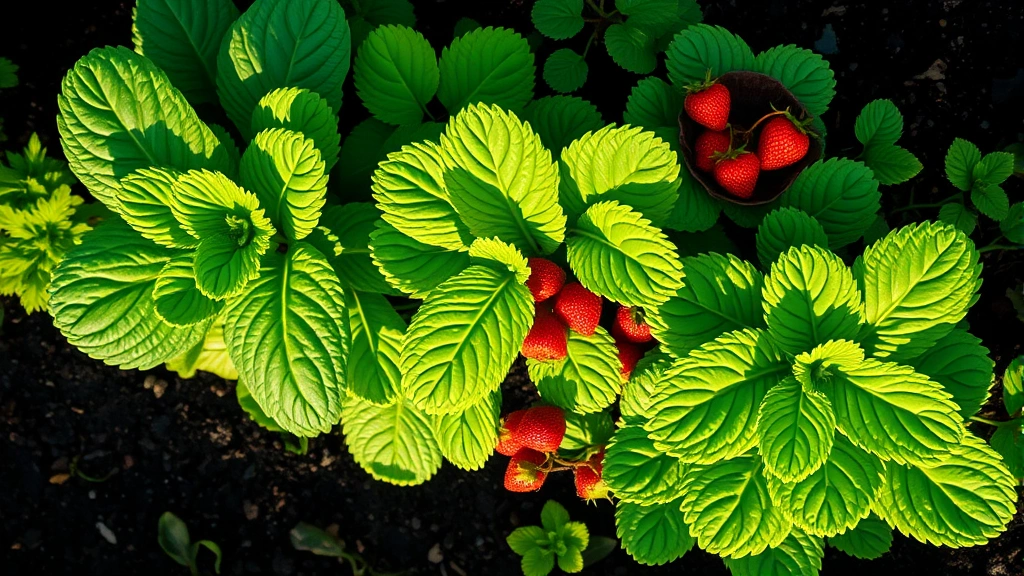
Creating a dedicated smoothie garden transforms your backyard into a personal superfood farm. Rather than purchasing expensive pre-packaged smoothie ingredients from grocery stores, you can cultivate an abundant supply of fresh fruits, vegetables, leafy greens, and herbs right outside your kitchen door. This practical approach not only reduces your grocery bills but also ensures you know exactly where your food comes from and how it was grown.
A smoothie garden combines the best elements of vegetable gardening, fruit cultivation, and herb growing into one cohesive system. Whether you have sprawling garden beds, a small patio, or limited outdoor space, you can design a smoothie garden that fits your lifestyle and climate zone. The beauty of this gardening approach lies in its flexibility—you can grow year-round in many regions, adapt your plantings to seasonal availability, and harvest ingredients at peak ripeness for maximum nutritional value and flavor.
Essential Smoothie Garden Plants to Grow
The foundation of any successful smoothie garden starts with selecting the right plants. Spinach and kale stand as the cornerstones of leafy green production, offering exceptional nutritional profiles with minimal care requirements. Spinach grows quickly in cool seasons, reaching harvest maturity in just 40-50 days, while kale provides year-round harvests in most climates and becomes sweeter after frost exposure. Both plants tolerate partial shade, making them ideal for gardens with limited direct sunlight.
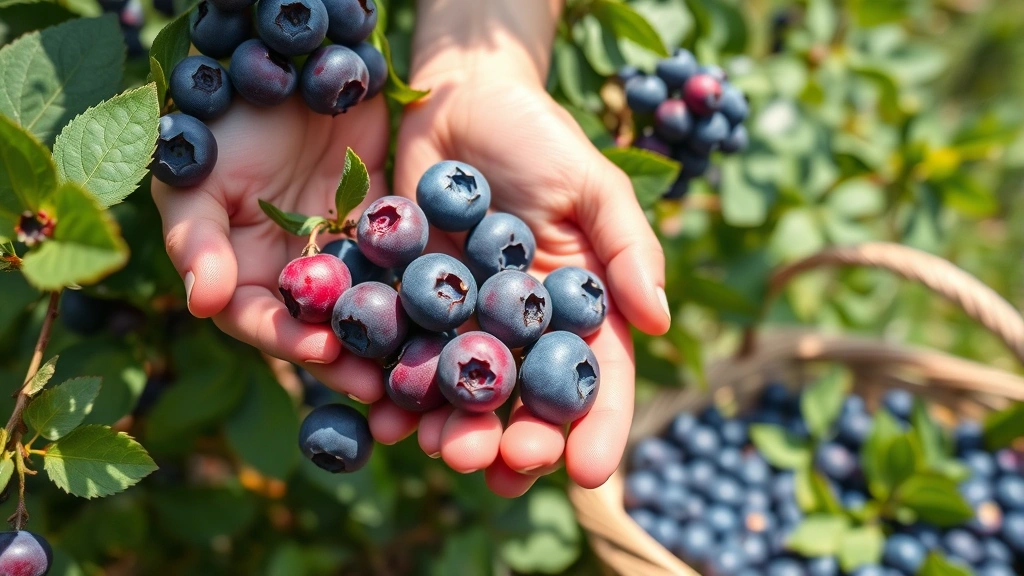
Berries represent another critical category for smoothie gardens. Blueberries, strawberries, and raspberries deliver antioxidants, fiber, and natural sweetness without added sugars. Blueberry bushes require acidic soil with a pH between 4.5-5.5 and produce prolifically once established. Strawberries offer quick gratification, producing fruit within the first season from transplants. Consider vertical growing methods for strawberries to maximize space and improve air circulation around the plants.
Bananas deserve special mention as smoothie staples, though growing them depends on your climate zone. In tropical and subtropical regions (zones 9-11), banana plants thrive in warm, humid conditions with rich soil. For northern gardeners, dwarf varieties like ‘Dwarf Cavendish’ can grow in large containers moved indoors during winter months. The plants produce fruit within 9-12 months of planting, providing a continuous supply of frozen smoothie ingredients.
Mint cultivation requires dedicated space or container growing to prevent aggressive spreading. Growing mint in pots offers excellent control while providing fresh leaves throughout the growing season. Peppermint and spearmint varieties both thrive in partial shade with consistently moist soil, producing harvestable leaves within weeks of planting.
Ginger and turmeric add anti-inflammatory properties and exotic flavor profiles to smoothies. These tropical plants require warm soil temperatures (70-85°F) and well-draining, organic-rich soil. Plant rhizomes in spring and harvest after 8-10 months when leaves begin yellowing. In cool climates, grow them in containers that you can move to a warm location during cooler months.
Consider adding cucumber, celery, and bell peppers for hydrating smoothie bases and nutritional variety. Cucumbers grow rapidly on trellises, saving garden space while improving air circulation. Celery requires consistent moisture and cooler temperatures, thriving in spring and fall gardens. Bell peppers provide vitamin C and naturally sweet flavors, though they require a longer growing season and warm temperatures throughout development.
Soil Preparation and Garden Setup
Successful smoothie gardens begin with exceptional soil foundation. Preparing garden soil properly ensures your plants receive necessary nutrients, maintain proper drainage, and develop strong root systems. Start by testing your soil pH and nutrient levels through your local USDA extension service, which provides free or low-cost soil testing to gardeners.
Incorporate 2-3 inches of high-quality compost into your garden beds before planting. Compost improves soil structure, increases water retention capacity, and provides slow-release nutrients that feed plants throughout the growing season. If you don’t have homemade compost available, purchase composted materials from local garden centers or create your own compost pile using kitchen scraps and garden waste.
For most smoothie garden vegetables, aim for a soil pH between 6.0-7.0, which allows maximum nutrient availability. Acidic-loving plants like blueberries require lower pH levels (4.5-5.5), so consider creating separate beds or containers for these plants. Add sulfur to lower pH or lime to raise it, following soil test recommendations for proper application rates.
Drainage represents another critical factor in smoothie garden success. Heavy clay soils benefit from sand and organic matter amendments to improve water movement. Conversely, sandy soils require additional compost to increase water and nutrient retention. Well-draining soil prevents root rot while ensuring plants access moisture during dry periods.
Establish your garden layout considering sunlight patterns, water access, and space efficiency. Most smoothie garden plants require 6-8 hours of direct sunlight daily for optimal growth and fruit production. Leafy greens tolerate partial shade better than fruiting plants, so position shade-tolerant crops in areas receiving afternoon shade during hot summers.
Watering and Maintenance Schedule
Consistent moisture management separates thriving smoothie gardens from struggling ones. Most vegetables require 1-2 inches of water weekly, delivered through deep watering that encourages robust root development. Water early in the morning to minimize disease pressure and allow foliage to dry before evening.
Implement drip irrigation or soaker hoses for efficient water delivery directly to plant root zones, reducing water waste through evaporation and runoff. These systems also prevent wetting foliage, which creates conditions favorable for fungal diseases. Automated timers on drip systems ensure consistent moisture even during busy periods or vacations.
Mulching conserves soil moisture while regulating temperature fluctuations and suppressing weeds. Apply 2-3 inches of organic mulch (straw, shredded leaves, or wood chips) around plants, keeping mulch several inches away from plant stems to prevent rot and pest problems. As mulch breaks down, it contributes organic matter to your soil, continuously improving its structure and fertility.
Fertilization needs vary by plant type and soil conditions. Leafy greens require regular nitrogen for leaf production, benefiting from monthly applications of balanced fertilizer or compost tea. Fruiting plants like berries and peppers need phosphorus and potassium for flowering and fruit set—apply balanced fertilizer every 4-6 weeks during the growing season. Organic fertilizers like fish emulsion, seaweed extract, and bone meal provide nutrients while building soil biology.
Monitor for common pests and diseases throughout the growing season. Aphids, spider mites, and whiteflies frequently attack smoothie garden plants, especially in warm weather. Spray affected plants with neem oil or insecticidal soap early in pest infestations to prevent population explosions. Powdery mildew and leaf spot diseases respond well to preventive measures like proper spacing for air circulation and morning watering practices.
Prune and deadhead regularly to encourage continuous production and maintain plant vigor. Removing spent flowers redirects plant energy into fruit development rather than seed production. Pinch back basil and mint growing tips to promote bushier, more productive plants with better leaf quality.
Container Gardening for Small Spaces
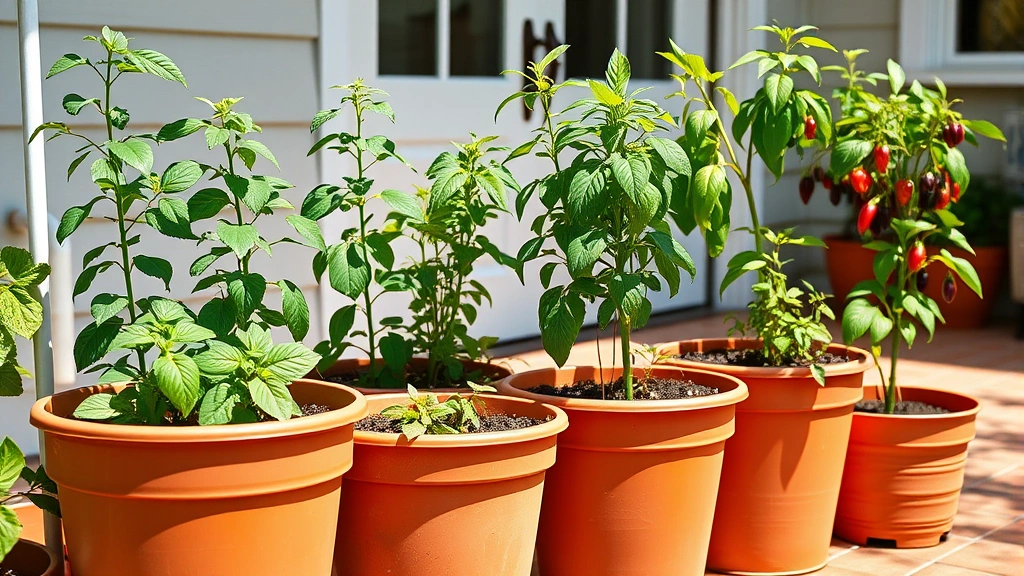
Urban gardeners and those with limited yard space can successfully grow smoothie ingredients in containers. Select containers with drainage holes and sizes appropriate for each plant’s root depth. Most vegetables thrive in 12-18 inch deep containers, while deeper-rooted plants like peppers and small fruit trees require 20-24 inch depth.
Use high-quality potting mix specifically formulated for containers, as garden soil compacts excessively in pots and restricts drainage. Container potting mixes contain perlite or vermiculite for drainage improvement and peat moss or coco coir for moisture retention. Mix in compost or aged manure (20-30% by volume) to provide nutrients for the growing season.
Container plants require more frequent watering than in-ground gardens since pots dry faster, especially in hot weather. Check soil moisture daily during peak growing season, watering when the top inch feels dry. In summer heat, large containers may need daily watering. Mulch container surfaces to reduce evaporation and moderate temperature fluctuations.
Fertilize container plants more frequently than garden beds since nutrients leach through drainage holes with each watering. Apply diluted liquid fertilizer every 2-3 weeks, or incorporate slow-release fertilizer granules at planting time for consistent nutrition throughout the season. Monitor plants for nutrient deficiency signs like yellowing leaves or slowed growth.
Stack containers vertically or arrange them on tiered shelving to maximize growing space in small areas. This arrangement also improves air circulation and makes harvesting and maintenance easier. Use herb garden containers positioned near kitchen doors for convenient harvesting while cooking.
Seasonal Planting Guide
Successful smoothie gardens leverage seasonal changes through strategic planting timing. Spring represents the ideal time to establish perennial plants like berry bushes, mint, and asparagus. Start cool-season crops like spinach, kale, lettuce, and peas directly in garden beds as soon as soil is workable, typically 2-4 weeks before the last spring frost.
Summer gardens focus on heat-loving plants including peppers, cucumbers, basil, and beans. Start these plants indoors 6-8 weeks before your last frost date, then transplant outdoors once soil temperatures reach 60°F and frost danger passes. Succession plant lettuce and spinach every 2-3 weeks through early summer for continuous harvests before intense heat stops growth.
Fall gardening extends your smoothie harvest through cooler months. Plant cool-season crops 8-10 weeks before your first expected frost, allowing time for maturity before freezing temperatures arrive. Kale, spinach, arugula, and other leafy greens actually improve in flavor after frost exposure, developing sweeter taste profiles. Easy to grow vegetables for beginners like lettuce and radishes thrive in fall conditions with minimal care requirements.
Winter gardening possibilities depend on your climate zone. In mild regions (zones 8-10), continue harvesting from cold-hardy crops like kale and spinach. In colder areas, grow microgreens indoors or maintain a cold frame for protected production. Start seeds indoors for spring transplants during late winter months, ensuring healthy seedlings ready for spring planting.
Harvesting and Storage Tips
Harvest smoothie garden ingredients at peak ripeness to maximize nutritional content and flavor. Pick leafy greens in early morning after dew dries, when leaves contain maximum moisture and nutrients. Harvest outer leaves from kale and spinach plants, leaving inner growth points intact for continued production throughout the season.
Berry harvesting requires gentle handling to prevent bruising. Pick berries when fully colored and slightly soft, indicating peak ripeness and sugar content. Morning harvests offer the best quality, as berries haven’t experienced heat stress from daytime sun. Refrigerate berries immediately in shallow containers to prevent crushing.
Freeze smoothie ingredients for year-round availability. Wash and thoroughly dry leafy greens before freezing in airtight containers or vacuum-sealed bags, removing excess air to prevent freezer burn. Berries freeze beautifully on sheet trays before transferring to freezer containers, maintaining individual pieces rather than clumping together. Frozen berries and greens work perfectly in smoothies, becoming soft and blending smoothly without requiring fresh ingredients.
Herbs like mint and basil preserve well through freezing, drying, or creating infused oils and vinegars. Harvest herbs just before flowering when essential oils concentrate at peak levels. Hang-dry herbs in bundles in warm, dark, well-ventilated spaces, or freeze whole sprigs in ice cube trays with water for convenient portioning.
Store fresh ingredients appropriately to extend shelf life. Leafy greens last 1-2 weeks in refrigerator crisper drawers with minimal moisture. Berries remain fresh 3-5 days refrigerated in single layers on paper towels. Ginger and turmeric roots store for months in cool, dark locations with good air circulation, gradually drying as they age and concentrating flavors.
FAQ
Can I grow smoothie garden plants indoors?
Yes, many smoothie garden plants thrive indoors under grow lights. Leafy greens, microgreens, herbs like mint and basil, and even compact pepper varieties grow successfully indoors with 12-16 hours of daily light from LED grow lights. Indoor gardening works year-round regardless of outdoor climate, though fruiting plants produce less prolifically than outdoors due to limited light and pollinator activity.
How much space do I need for a productive smoothie garden?
Even small spaces yield significant smoothie ingredients. A 4×8 foot raised bed produces abundant leafy greens, herbs, and vegetables. Container gardeners achieve similar results with 6-8 large pots (5+ gallons) positioned on patios or balconies. The key lies in consistent care and succession planting rather than garden size.
What’s the best way to preserve excess smoothie garden harvests?
Freezing preserves nutritional content and flavor better than other methods. Freeze greens and berries in airtight containers, vacuum bags, or ice cube trays with water. Dehydrating works well for herbs and some vegetables, creating concentrated flavors for smoothies. Fermentation and pickling preserve vegetables while creating probiotic-rich additions to smoothies.
Do I need special equipment or tools for smoothie gardening?
Basic gardening tools—spade, hoe, hand trowel, pruners, and watering can—suffice for most smoothie gardens. Drip irrigation systems and timers improve efficiency with larger gardens. Raised beds or containers simplify soil management and reduce bending. Grow lights enable indoor production during winter months.
When should I expect harvests from my smoothie garden?
Leafy greens produce within 30-60 days of planting. Herbs like basil and mint provide harvestable leaves within 4-6 weeks. Berries from established plants produce within weeks of flowering. New berry plants take 1-2 years to reach full production capacity. The key to consistent harvests involves succession planting and maintaining multiple crops at different maturity stages.
How do I prevent pests and diseases in my smoothie garden?
Start with healthy soil and disease-resistant plant varieties. Provide proper spacing for air circulation and water at soil level rather than wetting foliage. Remove affected leaves promptly and dispose in trash rather than compost. Encourage beneficial insects through diverse plantings and avoid broad-spectrum pesticides that kill helpful predators alongside pests.


