Roses are among the most beloved flowering plants in any garden, cherished for their stunning blooms and intoxicating fragrance. However, growing healthy, vibrant roses requires more than just planting them in any soil and hoping for the best. The foundation of successful rose cultivation lies in understanding what soil composition these finicky plants truly need. Most gardeners quickly discover that rose success starts with soil—specifically, soil that drains well while retaining adequate moisture and nutrients.
The right soil makes an extraordinary difference in rose performance. Poor soil leads to stunted growth, fewer blooms, increased disease susceptibility, and overall disappointment. Whether you’re establishing a new rose garden or revitalizing an existing bed, selecting and preparing the best soil for roses will determine whether your plants thrive or merely survive. This comprehensive guide explores the top soil choices that experienced gardeners use, the specific characteristics roses demand, and practical strategies for creating the ideal growing environment.

Understanding Rose Soil Requirements
Roses are perennial shrubs that demand specific soil conditions to perform at their peak. Unlike many ornamental plants that tolerate various soil types, roses have evolved preferences shaped by their origins in temperate climates. Understanding these requirements forms the foundation of successful rose gardening.
The primary soil characteristics roses need include excellent drainage, adequate aeration, appropriate pH balance, and sufficient organic matter. When soil remains waterlogged, rose roots suffocate and become susceptible to root rot—a devastating fungal disease. Conversely, soil that drains too quickly won’t retain moisture and nutrients during dry periods, leaving plants stressed and unable to produce abundant blooms.
Roses also require a slightly acidic to neutral soil environment. This pH range allows roots to access essential micronutrients like iron, manganese, and zinc. When soil becomes too alkaline, roses develop chlorosis, a condition where leaves yellow despite adequate nitrogen availability. The plant simply cannot absorb and utilize the nutrients present in the soil.
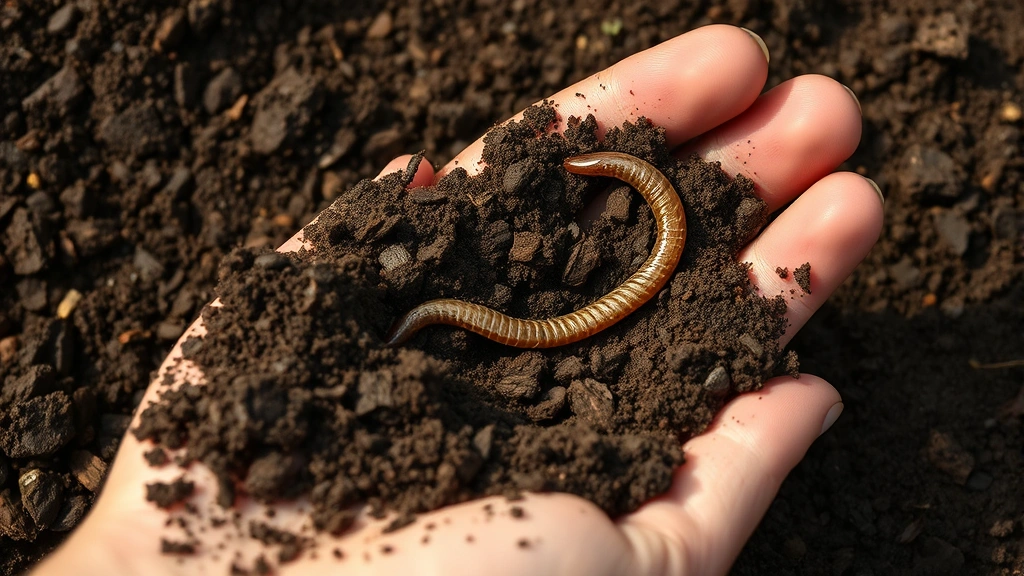
Soil texture matters considerably. Roses thrive in loamy soil—a balanced mixture of sand, silt, and clay particles. Loamy soil provides the perfect balance between drainage and water retention. Sandy soils drain too quickly and warm up rapidly in spring but dry out during summer stress. Heavy clay soils retain moisture and nutrients but compact easily, restricting root development and drainage. The best approach combines the advantages of both extremes through careful soil amendment.

Ideal Soil pH and Drainage
Rose gardeners should target a soil pH between 6.0 and 6.5 for optimal growth. This slightly acidic range maximizes nutrient availability while promoting beneficial microbial activity in the soil. You can test your soil pH using an inexpensive kit from any garden center or through your local cooperative extension service, which often provides detailed soil analysis at minimal cost.
If your soil tests above 7.0 (alkaline), incorporate sulfur or acidifying fertilizers to lower the pH gradually. If it tests below 5.5 (too acidic), add agricultural lime to raise it. Make these adjustments several weeks before planting roses, allowing time for the amendments to fully incorporate and stabilize the soil chemistry.
Drainage assessment is equally critical. Perform a simple drainage test by digging a hole twelve inches deep in your proposed rose bed, filling it with water, and observing how quickly it drains. Ideally, water should drain at a rate of one to two inches per hour. If water remains after twenty-four hours, your soil has poor drainage and requires significant amendment with coarse sand, perlite, or compost to improve aeration.
Well-draining soil prevents water from pooling around rose roots, which creates anaerobic conditions that encourage fungal diseases. Conversely, soil that drains too rapidly (within minutes) suggests sandy conditions requiring organic matter incorporation to improve water-holding capacity. The goal is achieving a Goldilocks scenario—not too fast, not too slow, but just right.
Consider raising your rose beds six to twelve inches above ground level if your native soil drains poorly. Elevated beds naturally promote drainage and warm up faster in spring, extending your growing season. A DIY raised garden bed provides excellent control over soil composition and creates an attractive garden feature.
Top Soil Mixes for Roses
Experienced rose gardeners have refined several proven soil formulas that consistently produce exceptional results. These mixtures balance drainage, moisture retention, aeration, and nutrient availability.
The Classic Rose Mix combines forty percent topsoil, thirty percent compost, twenty percent coarse sand, and ten percent peat moss or coconut coir. This formula provides structure from topsoil, nutrients and water retention from compost, drainage from sand, and organic matter from peat. This mixture creates ideal conditions for most rose varieties across various climate zones.
The Premium Gardener’s Mix uses thirty-five percent quality topsoil, thirty-five percent aged compost, fifteen percent perlite, and fifteen percent composted bark. The perlite ensures superior drainage and aeration, while composted bark adds long-term organic matter that breaks down slowly, continuously improving soil structure. This mix works exceptionally well in humid climates where fungal diseases threaten rose health.
The Sustainable Mix emphasizes organic materials: forty percent topsoil, forty percent compost, ten percent coconut coir, and ten percent aged manure. This formula minimizes peat moss use, supporting environmental conservation while providing excellent rose nutrition. The aged manure adds beneficial microorganisms and slow-release nutrients that feed roses throughout the growing season.
When creating custom soil mixes, source your materials from reputable suppliers. Quality topsoil should be dark, crumbly, and free from weeds and contaminants. Compost should be fully aged, dark, and earthy-smelling—not fresh or ammonia-scented. Avoid peat moss harvested from sensitive ecosystems; sustainable alternatives like coconut coir provide similar benefits without environmental damage.
Many gardeners purchase bagged soil mixes specifically formulated for roses, which simplifies the process considerably. Products labeled for roses typically balance all necessary components appropriately. However, these commercial mixes vary in quality, so read ingredient lists carefully and choose brands with strong gardening community recommendations.
Amending Native Garden Soil
Most gardeners work with existing native soil rather than starting from scratch with imported mixes. Amending your current soil to meet rose requirements is entirely feasible and often more economical than replacing it entirely.
Begin by testing your native soil’s texture using the jar test. Fill a clear jar one-third with soil sample, add water until nearly full, shake vigorously, and let it settle. Sand particles fall to the bottom within minutes, silt settles over several hours, and clay takes days to fully settle. The resulting layers show your soil’s composition. Sandy soils need organic matter; clay soils need sand and organic matter; loamy soils need minor adjustments.
For sandy native soil, incorporate two to three inches of compost annually. This gradually builds organic matter, improving water retention and nutrient availability. In clay soils, work in coarse sand and compost together—sand alone won’t improve clay without adequate organic matter to maintain improved structure.
The amendment process takes time. Rather than attempting wholesale soil replacement, gradually improve your native soil over multiple seasons. Each year, add two to three inches of quality compost to rose beds and work it into the top six to eight inches. This annual enrichment builds superior soil structure while supporting the beneficial microorganisms that make rose gardening successful.
For established rose beds, top-dress annually with one to two inches of compost in early spring. As the compost breaks down throughout the season, it feeds roses, improves soil structure, and feeds the microbial community that keeps roses healthy. This practice is far more sustainable than repeatedly amending soil and provides continuous improvement over years.
Organic Matter and Nutrients
Organic matter is the magic ingredient that transforms marginal soil into rose-growing gold. Compost, aged manure, leaf mold, and other organic materials fundamentally improve soil structure, water retention, drainage, and nutrient availability simultaneously.
Compost deserves special attention in any rose gardening program. Quality compost introduces beneficial microorganisms, fungi, and nutrients while improving soil structure. The organic matter gradually breaks down, continuously feeding soil biology and releasing nutrients roses need. Unlike synthetic fertilizers that provide temporary nutrient boosts, compost feeds the soil ecosystem, which in turn feeds the plants.
Roses require balanced nutrition with adequate nitrogen for foliage growth, phosphorus for root development and blooming, and potassium for overall plant vigor. Native soils often lack sufficient quantities of these nutrients. Compost provides slow-release nutrition, while specialty gardens and container roses may benefit from supplemental fertilization during the growing season.
Aged manure provides excellent organic matter and nutrients, particularly nitrogen. Horse, cow, and poultry manures all work well when fully aged (at least six months old to avoid burning roots with excessive nitrogen). Fresh manure can damage roses, so always use fully composted material. Manure also introduces beneficial microorganisms that enhance soil health and disease suppression.
Leaf mold—compost made from shredded autumn leaves—provides excellent organic matter without cost. Collect fallen leaves in autumn, shred them with a mower, and compost them for a year. The resulting leaf mold is perfect for amending rose beds and improves water retention while supporting soil biology.
Mycorrhizal fungi deserve mention as an advanced soil amendment. These beneficial fungi form symbiotic relationships with plant roots, dramatically improving nutrient uptake and water availability. Many commercial mycorrhizal products are available; incorporating these when planting new roses accelerates establishment and enhances long-term vigor.
Seasonal Soil Maintenance
Creating ideal rose soil is not a one-time event but an ongoing commitment. Seasonal maintenance keeps soil in peak condition and supports continuous rose performance.
Spring Preparation begins as soil becomes workable. Remove winter mulch carefully, avoiding damage to emerging rose canes. Apply one to two inches of fresh compost around each rose, working it gently into the top inch of soil. This spring feeding provides nutrients for new growth and blooming. Apply a granular rose fertilizer according to package directions, timing application as new leaves emerge. Spring is also the ideal time to test soil pH and make any necessary adjustments before the growing season intensifies.
Summer Maintenance focuses on moisture management and supplemental feeding. Consistent watering is critical—roses need approximately one inch of water weekly from rainfall or irrigation. Use an expandable garden hose for efficient watering that keeps foliage dry, reducing disease pressure. In mid-summer, apply a second round of fertilizer to sustain blooming through autumn. Maintain mulch depth at two to three inches, refreshing as needed to suppress weeds and regulate soil temperature.
Fall Transition shifts focus to preparing roses for dormancy. Reduce nitrogen fertilization in late summer to avoid stimulating tender new growth that frost will damage. Apply a balanced fertilizer in early fall to support root development and winter hardiness. Gradually reduce watering frequency as temperatures cool, allowing soil to dry slightly between waterings. This transition helps roses enter dormancy properly.
Winter Protection involves mulching heavily in cold climates. Apply four to six inches of mulch around each rose after the ground freezes, protecting roots from temperature fluctuations. In spring, remove this winter mulch gradually as temperatures warm. Winter is also an excellent time to have soil tested and plan amendments for the coming season.
Common Soil Problems and Solutions
Even experienced gardeners encounter soil challenges. Understanding common problems and their solutions prevents frustration and maintains rose health.
Compacted Soil restricts root penetration and drainage. Heavy foot traffic, repeated tilling, and clay-heavy composition all cause compaction. Solution: Avoid walking on rose beds, use raised beds to avoid compaction, and incorporate organic matter annually to improve structure. Aeration tools designed for gardens can help loosen existing compacted soil.
Poor Drainage leads to root rot and fungal diseases. This problem is particularly severe in clay soils and low-lying areas where water collects. Solution: Raise beds six to twelve inches, incorporate sand and compost, ensure water can drain away from the planting area, and consider installing French drains in persistently wet locations.
Nutrient Deficiency appears as yellowing leaves, stunted growth, or reduced blooming. While nutrient deficiency sometimes reflects actual soil depletion, it often indicates pH problems preventing nutrient uptake. Solution: Test soil and adjust pH if necessary; add compost to improve nutrient availability; apply appropriate fertilizers based on soil test results.
Excessive Salts from fertilizer overuse or poor-quality water can burn roots and inhibit growth. This problem is particularly common in arid regions and container growing. Solution: Flush soil thoroughly with clean water, reduce fertilizer applications, use filtered or rainwater for irrigation, and incorporate organic matter to buffer salt accumulation.
Soil Acidification occurs over time as organic matter breaks down and nitrogen fertilizers are applied. While roses prefer slightly acidic soil, excessive acidity prevents nutrient uptake. Solution: Test soil regularly; apply agricultural lime if pH drops below 5.5; maintain appropriate compost applications to buffer pH naturally.
Weed Competition steals nutrients and moisture from roses. Persistent weeds in rose beds indicate poor soil management or inadequate mulching. Solution: Maintain two to three inches of mulch to suppress weeds; remove weeds promptly before they establish; consider landscape fabric under mulch in heavily weeded areas.
If you’re uncertain about your soil composition or pH, contact your local USDA Natural Resources Conservation Service office for professional soil analysis and recommendations tailored to your specific location and rose varieties.
Garden maintenance extends beyond soil to include proper pruning with quality garden shears and understanding companion planting strategies. While roses can be grown alongside vegetables and other plants, dedicated rose beds with optimized soil typically produce superior results.
FAQ
What is the best soil pH for growing roses?
The ideal soil pH for roses is between 6.0 and 6.5. This slightly acidic range maximizes nutrient availability and supports beneficial soil microorganisms. Test your soil with a kit or through your local extension service, then adjust pH gradually using sulfur (to lower) or lime (to raise) if necessary.
How often should I amend rose garden soil?
Amend rose beds annually with two to three inches of quality compost worked into the top six to eight inches of soil. This continuous enrichment gradually builds superior soil structure while feeding roses throughout the season. Spring and fall are ideal amendment times.
Can I grow roses in clay soil?
Yes, but clay soil requires significant amendment. Incorporate coarse sand and compost to improve drainage and aeration. Raising beds six to twelve inches above ground level provides additional drainage improvement. Never work clay soil when wet, as this causes compaction and structure damage.
What’s the difference between compost and aged manure for roses?
Compost provides balanced organic matter and microorganisms while improving soil structure. Aged manure contributes higher nitrogen content and beneficial microbes, making it excellent for supplemental nutrition. Using both together creates synergistic benefits—compost for structure and biology, manure for nitrogen and nutrients.
How can I improve drainage in heavy clay soil?
Combine multiple strategies: raise beds six to twelve inches, incorporate coarse sand and compost thoroughly, ensure water can drain away from the planting area, and consider French drains for persistent wet spots. Annual organic matter additions gradually improve clay structure over time.
Is peat moss necessary for rose soil mixes?
No. While traditional rose soil mixes include peat moss, sustainable alternatives like coconut coir provide similar water-holding capacity without environmental concerns. Both work equally well in rose soil formulations and can be substituted one-to-one.
Should I use mycorrhizal fungi when planting roses?
Mycorrhizal fungi products provide benefits by improving nutrient uptake and water availability. While not strictly necessary, they accelerate establishment and enhance long-term vigor, particularly in newly amended or poor-quality soils. Apply according to product directions when planting new roses.
How much mulch should I apply around roses?
Apply two to three inches of organic mulch around each rose, keeping mulch several inches away from the base to prevent crown rot. Refresh mulch annually as it breaks down. In winter, increase mulch depth to four to six inches in cold climates for root protection.


