Creating a thriving garden doesn’t require a complicated formula—just like following a favorite recipe, successful gardening relies on understanding the right ingredients and methods. Home gardeners across the country have perfected their own “garden recipes,” combining specific plants, soil conditions, and care techniques to produce stunning landscapes and abundant harvests. Whether you’re dreaming of fresh vegetables on your dinner table or a colorful flower display that attracts pollinators, learning from tried-and-true garden recipes can transform your outdoor space into a flourishing oasis.
A garden recipe is essentially a proven combination of plants, growing conditions, and maintenance practices that work together harmoniously. Just as culinary recipes have been passed down through families and communities, garden recipes represent generations of horticultural knowledge. These recipes account for climate zones, soil types, seasonal timing, and plant compatibility—all the elements that determine whether your garden thrives or merely survives. By understanding and adapting these recipes to your specific location and preferences, you’ll gain confidence in your gardening journey and enjoy consistent success.
The Classic Vegetable Garden Recipe
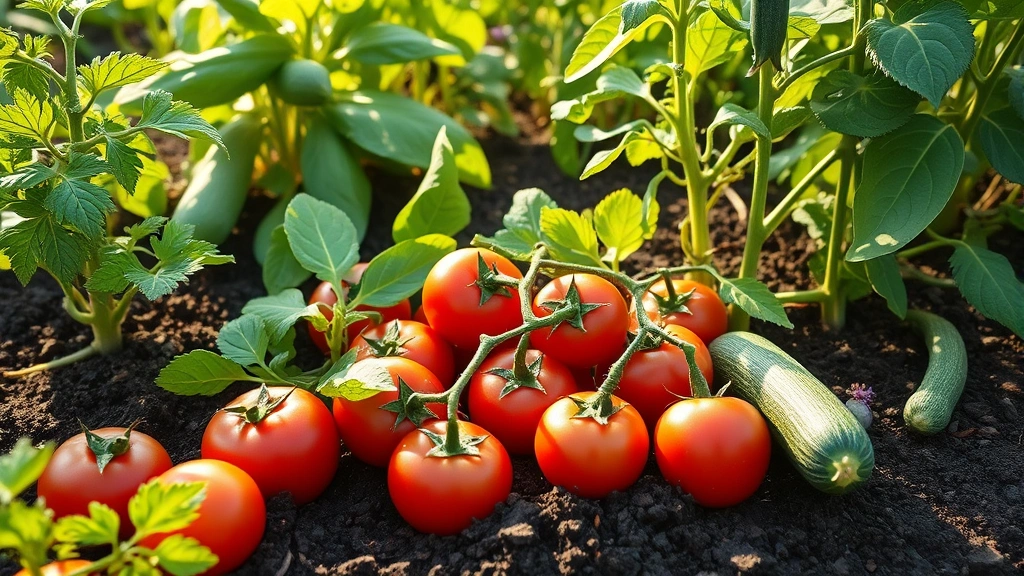
The traditional vegetable garden recipe has fed families for centuries and remains one of the most satisfying garden projects for beginners. This proven formula starts with easy to grow vegetables for beginners, which form the foundation of any productive garden. Tomatoes, lettuce, zucchini, and beans are the cornerstone plants because they reward consistent effort with abundant yields.
The success of this recipe depends heavily on location and preparation. Select a spot receiving at least six to eight hours of direct sunlight daily, as vegetables are sun worshippers. Amend your soil with compost or aged manure to create rich, nutrient-dense growing medium. The ratio matters: aim for three parts existing soil to one part organic matter. This creates the perfect balance of drainage and water retention that vegetables crave.
Spacing represents another critical ingredient in this recipe. Crowded plants compete for nutrients and air circulation, inviting disease and pest problems. Follow seed packet guidelines religiously—they’re based on decades of horticultural research. Tomatoes need eighteen to twenty-four inches between plants, while lettuce can thrive at six-inch intervals. Succession planting extends your harvest: plant lettuce every two weeks from spring through early fall for continuous greens.
Water management completes this recipe. Most vegetables need one to two inches of water weekly, delivered through drip irrigation or soaking rather than overhead watering. Morning watering allows foliage to dry quickly, reducing fungal disease risk. Mulching with two to three inches of straw or wood chips conserves moisture and suppresses weeds—another recipe secret that professional gardeners swear by.
Pollinator Paradise Garden Mix
Creating a garden that buzzes with life requires a different recipe entirely. Pollinator gardens combine flowering plants that feed bees, butterflies, and hummingbirds while beautifying your landscape. The secret ingredient? gardening with native plants, which have evolved alongside local pollinators and provide exactly what they need.
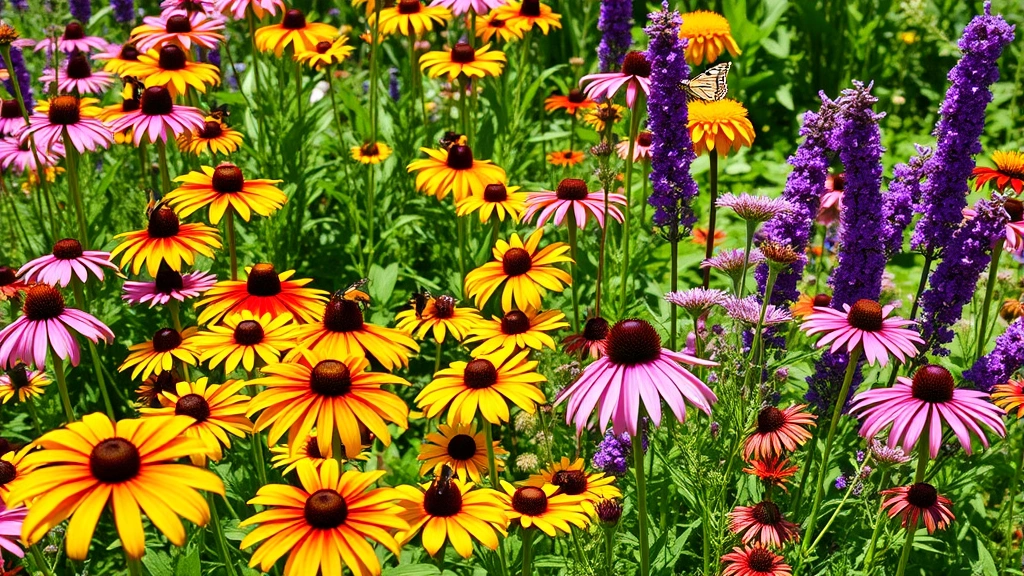
Native plants form the foundation of an effective pollinator recipe because they bloom at different times throughout the growing season. Spring bloomers like wild columbine and trillium provide early nectar when pollinators emerge hungry from winter. Summer brings coneflowers, black-eyed Susans, and bee balm into their glory. Fall asters and goldenrod sustain pollinators preparing for dormancy. This staggered blooming schedule ensures consistent food availability—the mark of a well-designed garden recipe.
Color coordination enhances both visual appeal and pollinator attraction. Blue and purple flowers particularly attract bees, while red and orange blooms draw hummingbirds. Plant flowers in clusters of three to five of the same species rather than scattering singles throughout the garden. This concentration helps pollinators locate food more efficiently and reduces the energy they expend foraging.
Texture variety adds another dimension to this recipe. Combine spiky flowers like liatris with daisy-form blooms and tubular trumpet flowers. Include plants with different foliage textures—feathery, broad, fine—to create visual interest. Add native shrubs like serviceberry and chokeberry for structure and additional food sources. Avoid double flowers and highly hybridized varieties that often lack nectar and pollen.
Low-Maintenance Perennial Combinations
Busy gardeners need recipes that work with their schedules rather than against them. Low-maintenance perennial combinations deliver stunning results without demanding constant attention. The key ingredient: selecting tough, adaptable plants proven to thrive with minimal fussing.
Ornamental grasses form the backbone of low-maintenance recipes because they’re drought-tolerant, pest-resistant, and provide year-round interest. Pair them with equally hardy perennials like coreopsis, daylilies, catmint, and Russian sage. These plants laugh at poor soil, shrug off pests, and bloom prolifically without deadheading (though removing spent flowers extends blooming). Once established, they need watering only during extended dry spells.
Mulching deserves special emphasis in low-maintenance recipes. A four-inch layer of quality mulch suppresses ninety percent of weeds, maintains soil moisture, moderates soil temperature, and gradually improves soil structure as it decomposes. Organic mulches like shredded bark and wood chips are superior to inorganic options because they feed the soil ecosystem.
Grouping plants by water needs ensures efficient watering and reduces maintenance. Create separate zones for drought-tolerant plants, moderate-water plants, and moisture-loving specimens. This recipe respects each plant’s natural preferences rather than forcing a one-size-fits-all approach. Water deeply but less frequently to encourage deep root development and drought resilience.
Fertilization becomes minimal with this recipe because perennials are established and don’t need constant feeding. A single spring application of balanced, slow-release fertilizer or compost top-dressing supplies necessary nutrients. Avoid high-nitrogen fertilizers that encourage soft, pest-susceptible growth.
Shade Garden Formulas
Shade presents unique challenges, but gardeners who embrace it unlock access to an entirely different palette of beautiful plants. Successful shade garden recipes start by understanding your specific shade type. Dappled afternoon shade differs dramatically from dense all-day shade, and the recipe must match the conditions.
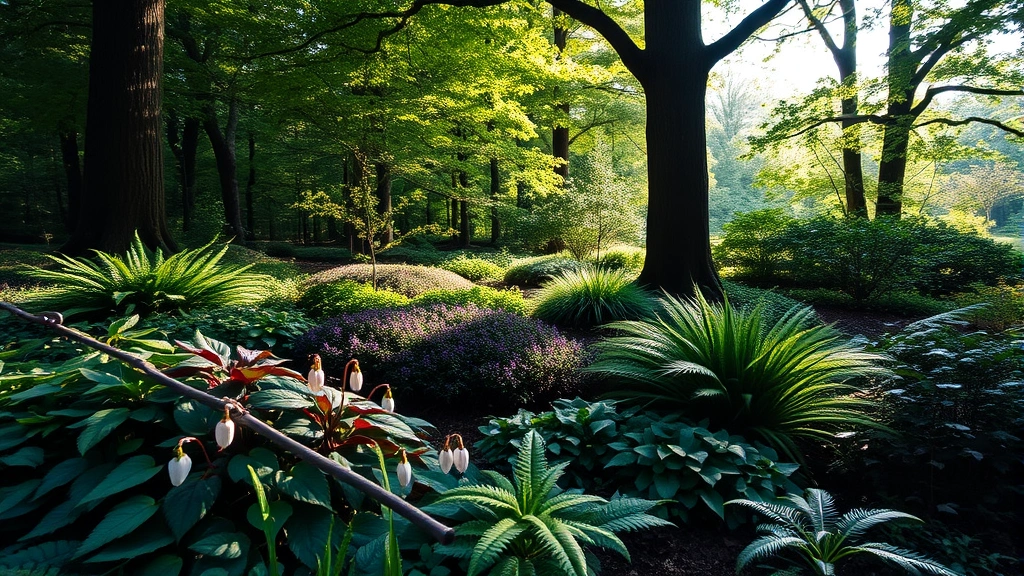
Hostas and ferns form the foundation of shade garden recipes, providing reliable foliage interest even when flowering options are limited. Combine them with shade-tolerant perennials like hellebores, coral bells, astilbe, and bleeding heart. These plants thrive where sun-lovers struggle, creating lush, layered compositions.
Variegated foliage becomes especially valuable in shade gardens where light is limited. Plants with white or yellow-edged leaves reflect available light, brightening dark corners. Shade gardens also benefit from strategic use of light-colored flowers and pale foliage to create depth and visual interest.
Soil preparation matters even more in shade gardens because competition from tree roots is intense. Amend planting areas generously with compost to improve moisture retention and provide nutrients. Shade plants often prefer slightly acidic, humus-rich soil similar to forest floors where they naturally grow.
Don’t neglect shade trees themselves in your recipe. Many trees cast such dense shade that nothing grows beneath them, but selective pruning to raise the canopy or thin branches allows dappled light to reach the forest floor below. This simple modification opens possibilities for dozens of shade-loving plants.
Container Garden Recipes
Container gardening offers flexibility that in-ground gardens can’t match. Create a DIY raised garden bed or container recipe by understanding the specific needs of potted plants. Containers concentrate plants’ root systems into small spaces, making every ingredient critical.
Container soil recipe differs from garden soil because it needs excellent drainage while retaining moisture. A reliable formula combines one-third compost, one-third perlite or coarse sand, and one-third coconut coir or peat moss. This mixture drains quickly while holding sufficient moisture for plant roots. Never use garden soil in containers—it compacts and drains poorly in pots.
Drainage holes are non-negotiable in any container recipe. Without them, roots rot regardless of watering practices. Use saucers under pots to protect surfaces, but ensure water doesn’t sit in saucers for extended periods. Elevate pots slightly on feet or pot risers if you can’t remove standing water.
Container recipes often feature a “thriller, filler, spiller” formula. The thriller is a tall focal plant like a dahlia or ornamental grass. Fillers are medium plants creating fullness—think petunias, marigolds, or dusty miller. Spillers cascade over pot edges—sweet potato vine, trailing verbena, or ivy work beautifully. This combination creates visually appealing containers quickly.
Fertilization becomes essential for containers because frequent watering leaches nutrients. Feed container plants every two weeks with diluted liquid fertilizer, or use slow-release fertilizer pellets worked into the soil at planting. Container plants work harder in smaller spaces and need supplemental nutrition.
Seasonal Garden Planning
Master gardeners understand that successful gardens follow seasonal recipes, adjusting practices to match the season’s demands. Spring recipes focus on soil preparation and early planting. Test your soil and amend it based on results before planting anything. Start seeds indoors six to eight weeks before your last frost date for vegetables like tomatoes and peppers.
Summer recipes emphasize consistent watering and pest management. Hot weather stresses plants, making reliable irrigation critical. Monitor for pests and diseases regularly—early intervention prevents major problems. Deadhead flowers to encourage continued blooming, and pinch back leggy plants to promote bushiness.
Fall recipes prepare gardens for dormancy while extending the harvest. Plant cool-season crops like broccoli, kale, and spinach in late summer for fall harvest. Divide spring-blooming perennials and plant spring bulbs. Begin reducing watering as temperatures drop and plants naturally slow growth.
Winter recipes focus on planning and maintenance. Review garden journals and photographs to identify what worked and what didn’t. Order seeds early for best selection. Prune dormant trees and shrubs, clean and sharpen tools, and mulch tender plants in cold climates. Winter is when gardeners dream and plan next year’s recipes.
Consulting the Old Farmer’s Almanac gardening resources helps you align your garden recipes with your specific climate and frost dates. Understanding your USDA hardiness zone ensures you select plants that survive your winters.
FAQ
What is a garden recipe exactly?
A garden recipe is a proven combination of plants, soil conditions, and care practices that work together to create a successful garden. Like culinary recipes, they’re based on experience and knowledge about which ingredients work well together.
Can I modify garden recipes for my specific location?
Absolutely. Garden recipes are starting points, not rigid rules. Adapt them based on your climate zone, soil type, available light, and personal preferences. The principles remain constant; the specific plants may change based on your conditions.
How do I know which garden recipe suits my situation?
Consider your available space, sunlight, soil conditions, climate, and how much time you can dedicate to gardening. Start with cottage garden principles if you enjoy mixed plantings, or choose specialized recipes like pollinator or shade gardens based on your property’s characteristics.
Do garden recipes work for beginners?
Yes, that’s the whole point. Garden recipes distill complex horticultural knowledge into accessible formulas. Beginners should start with simple recipes like the classic vegetable garden or low-maintenance perennials before advancing to more complex combinations.
How often should I adjust my garden recipe?
Review and adjust annually based on what you learn. Keep notes on what plants thrived, which struggled, and why. Over time, you’ll develop intuition for which recipes work best in your specific conditions. Experimentation is part of the gardening journey.
Where can I learn more specialized garden recipes?
Contact your local cooperative extension service or master gardener program for region-specific advice. Many botanical gardens and horticultural societies publish detailed garden recipes suited to their areas. These resources provide invaluable localized knowledge.
Can I combine elements from different garden recipes?
Certainly. Once you understand the principles behind different recipes, you can blend elements to create custom combinations. For instance, incorporate how to propagate plants techniques to expand your garden affordably, or use proper garden tools to execute any recipe more efficiently. Experimentation leads to your signature garden style.


