Porridge Recipe from Garden? Chef’s Secret Ingredient
Transform your morning bowl of porridge from ordinary to extraordinary by incorporating fresh, homegrown ingredients straight from your garden. Professional chefs have long guarded the secret that the finest culinary creations begin not in the kitchen, but in nutrient-rich soil where vegetables, grains, and herbs flourish. Growing your own ingredients for porridge isn’t just a trendy farm-to-table practice—it’s a game-changing approach that elevates flavor, nutrition, and the entire cooking experience.
This comprehensive guide reveals how gardeners can cultivate the essential components for creating gourmet porridge at home. Whether you’re interested in growing heritage grains, fresh berries, aromatic herbs, or nutrient-dense vegetables, we’ll explore every aspect of garden-to-bowl cooking. You’ll discover which plants thrive in various climates, optimal harvesting techniques, and creative recipes that showcase your homegrown bounty. The secret ingredient isn’t just better flavor—it’s the pride and satisfaction of nourishing your family with food you’ve cultivated yourself.
Growing Heritage Grains for Homemade Porridge
The foundation of exceptional porridge begins with quality grains, and growing your own heritage varieties offers unparalleled flavor and nutritional benefits. Unlike commercial oats that have been heavily processed, homegrown grains retain their natural oils, proteins, and micronutrients that create a richer, creamier porridge without additives.
Oats (Avena sativa) are the most accessible grain for home gardeners. These cool-season crops thrive in spring and fall, requiring minimal maintenance once established. Plant oat seeds directly into garden beds in early spring, spacing seeds about one inch apart in rows. They prefer well-draining soil and moderate moisture—overwatering encourages fungal diseases. Harvest when the grain heads turn golden brown and stems feel papery to the touch, typically 90-120 days after planting. Thresh the dried heads by rubbing them between your hands to separate grains from chaff.
Barley and spelt offer excellent alternatives for porridge base grains. Barley produces a slightly sweeter flavor profile and cooks faster than oats. Spelt, an ancient wheat variety, contains more protein and creates a nutty undertone in finished porridge. Both require similar growing conditions to oats—cool temperatures, moderate water, and full sun exposure. The advantage of growing spelt specifically is its resilience to pests and diseases, making it ideal for organic gardening practices.
For gardeners with limited space, consider using a DIY raised garden bed dedicated to grain cultivation. A 4×8 foot bed produces sufficient oats for several months of regular porridge consumption. Rotate grain crops yearly with nitrogen-fixing legumes like beans or peas to naturally restore soil fertility without synthetic fertilizers.
Quinoa represents a protein-rich grain alternative that thrives in warm seasons. Though technically a seed rather than grain, quinoa creates a unique porridge texture with complete amino acid profiles. Plant seeds after frost danger passes, in full sun with well-draining soil. The plants grow 3-5 feet tall, producing seed heads that mature to deep red or golden tones. Harvest by cutting the entire seed head and allowing it to dry completely before threshing.
Essential Garden Herbs That Transform Porridge
Culinary herbs elevate porridge from breakfast staple to culinary masterpiece. Fresh herbs provide aromatic complexity, digestive benefits, and sophisticated flavor dimensions that dried alternatives cannot replicate. An indoor herb garden ensures year-round access to tender varieties regardless of outdoor climate conditions.
Cinnamon basil (Ocimum basilicum var. cinnamon) delivers warming spice notes without actual cinnamon, perfect for autumn and winter porridge bowls. This tender annual thrives in warm weather and rich soil. Plant seedlings after frost danger passes, providing afternoon shade in extremely hot climates. Pinch growing tips regularly to encourage bushier plants with more leaf production. Harvest leaves just before flowering for maximum aromatic oil concentration.
Mint varieties—particularly chocolate mint, peppermint, and spearmint—add refreshing brightness to fruit-forward porridge recipes. Mint spreads aggressively, so contain it in pots or designated bed sections to prevent takeover. These perennials tolerate partial shade and prefer consistently moist (not waterlogged) soil. Harvest leaves in early morning after dew dries but before heat of day, when essential oils peak.
Lemon balm (Melissa officinalis) contributes subtle citrus notes and calming properties. This hardy perennial grows 2-3 feet tall with soft green leaves. It self-seeds prolifically, so deadhead spent flowers if you want to control spread. The leaves are equally delicious fresh or dried for winter use. Combine lemon balm with honey and vanilla in warm porridge for sophisticated flavor complexity.
Lavender provides floral sweetness and aromatic elegance to grain-based breakfast bowls. English lavender varieties (Lavandula angustifolia) prove most reliable for culinary use. These Mediterranean natives demand well-draining soil and full sun—they despise soggy conditions. Harvest flower buds just before they fully open, when essential oil concentration is highest. Dry completely and store in airtight containers.
Thyme, particularly lemon thyme and orange thyme, contributes subtle savory-sweet dimensions. These woody perennials tolerate poor soil and drought conditions, making them nearly maintenance-free once established. Use fresh leaves from tender growing tips for the most delicate flavor. Thyme pairs beautifully with apple and cinnamon in autumn porridge recipes.
Cultivating Berries and Fruits for Toppings
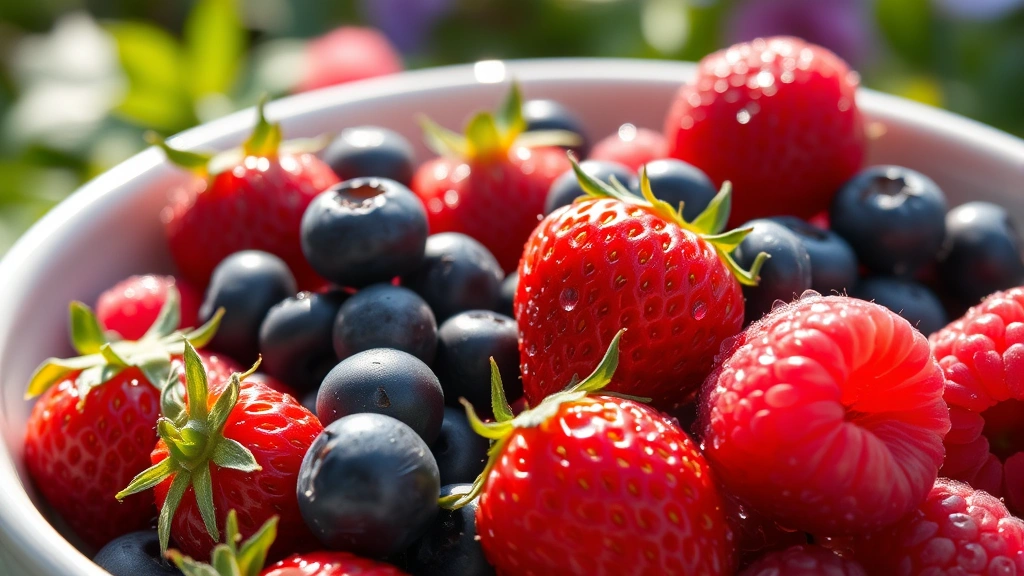
Fresh berries transform porridge into a nutrient-dense superfood breakfast. Homegrown berries contain higher antioxidant levels than store-bought varieties, particularly when harvested at peak ripeness and consumed immediately.
Strawberries are the most accessible berry for home gardeners. These low-growing plants produce fruit within weeks of planting and can be grown in containers, traditional beds, or hanging baskets. Select June-bearing varieties for one abundant harvest or everbearing types for continuous production throughout growing season. Plant strawberries in rich, well-draining soil with full sun exposure. Runners spread plants across the bed—you can propagate new plants by pinning runner plantlets into soil or remove runners to focus energy on fruit production.
Blueberries offer exceptional nutritional value and beautiful presentation in porridge bowls. These perennial shrubs require acidic soil (pH 4.5-5.5) and consistent moisture without waterlogging. Plant two or more varieties for cross-pollination and larger harvests. Blueberries produce berries on wood from the previous year, so prune in late winter to remove oldest canes and encourage new growth. The plants live 40+ years, making them a long-term investment in your garden’s productivity.
Raspberries and blackberries provide abundant yields with minimal fuss. Summer-bearing varieties produce once yearly, while everbearing types fruit in spring and fall. Both spread via underground runners, so contain them in dedicated areas or raised beds. Prune canes after they’ve fruited completely, removing them at soil level to make room for new growth. The thorny varieties produce more fruit than thornless cultivars, though thornless plants offer easier harvesting.
Currants and gooseberries are underutilized gems for home gardeners. These hardy perennial shrubs tolerate partial shade and poor soil conditions that would challenge other berries. Black currants contain exceptional levels of vitamin C and anthocyanins. Red and white currants offer tart-sweet flavor perfect for balancing sweet porridge bases. Gooseberries range from tart green varieties to sweet amber types. All three produce prolifically for decades with minimal care.

Elderberries deserve consideration for dedicated gardeners willing to manage larger plants. These vigorous shrubs grow 8-12 feet tall and wide, producing flat clusters of dark purple berries. The berries make exceptional porridge toppings and immune-boosting syrups. Elderberries require cross-pollination, so plant at least two varieties. They tolerate wet soils better than most berry plants, making them ideal for poorly drained garden areas.
Vegetable Additions That Boost Nutrition
Savory vegetable additions create balanced, nutrient-complete breakfast bowls. Professional chefs increasingly feature vegetable-forward porridges as sophisticated alternatives to sweet preparations. This approach transforms porridge from dessert-like indulgence into wholesome, complete nutrition.
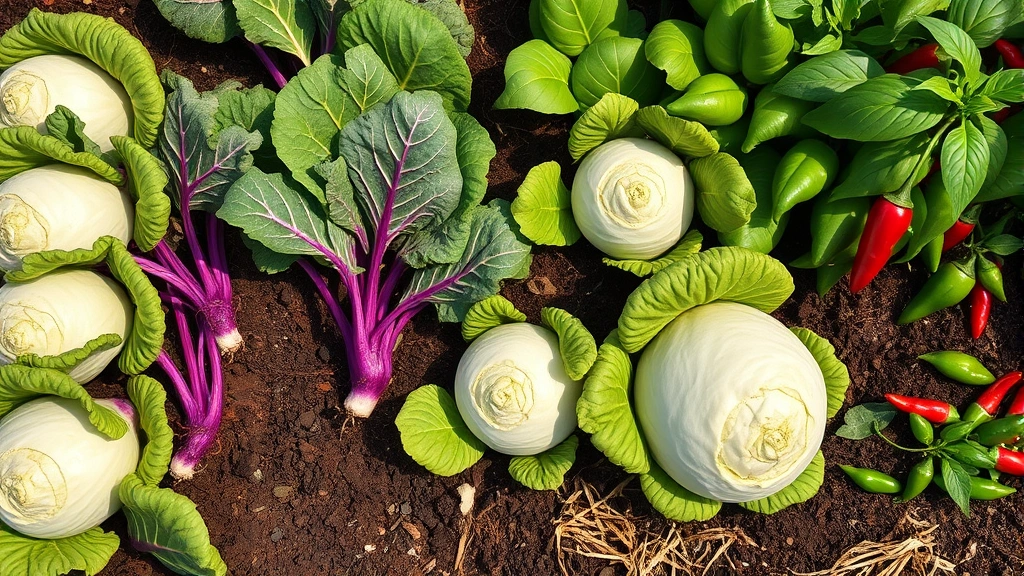
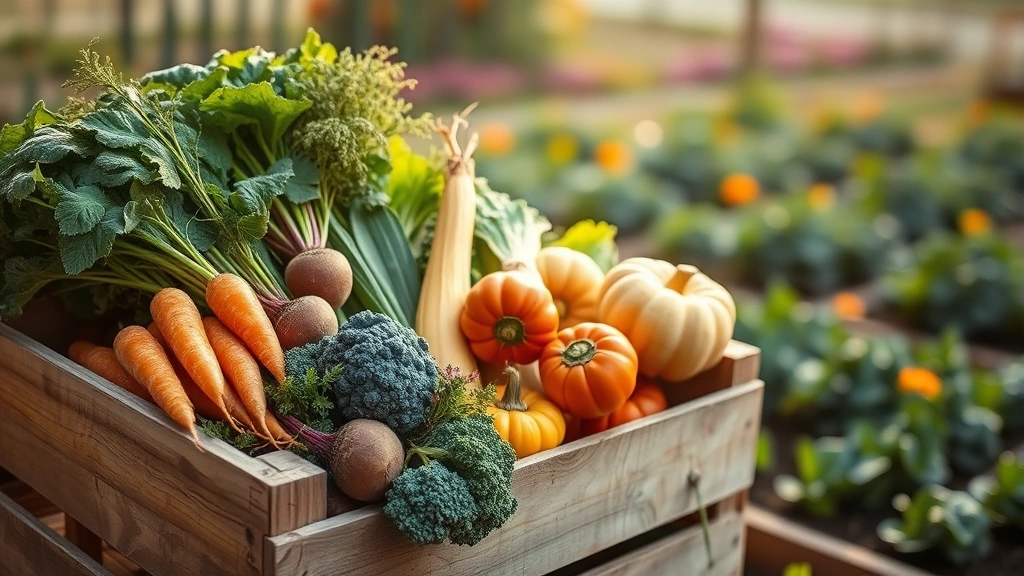
Root vegetables create creamy, naturally sweet porridge bases. Carrots, beets, and parsnips can be roasted or steamed, then pureed into grain mixtures before cooking. These vegetables add natural sweetness, vibrant color, and exceptional nutritional density. Grow root vegetables in loose, well-draining soil free of rocks that cause forking. Plant seeds directly in spring for summer harvest or late summer for fall/winter storage varieties. Root crops improve with cool temperatures in fall, developing sweeter flavor profiles perfect for porridge.
Winter squash—particularly butternut, delicata, and kabocha varieties—creates luxurious porridge texture and subtle sweetness. These warm-season crops require space to sprawl but produce abundantly from single plants. Direct seed after frost danger passes into rich, well-draining soil. Provide consistent moisture during fruit development. Harvest when skin hardens enough that fingernails don’t puncture easily. Store in cool, dark locations for winter porridge preparation.
Leafy greens like spinach, kale, and chard add iron, calcium, and nutritional complexity without overpowering flavor. Blend cooked greens into warm porridge or use as fresh toppings. Spinach and chard grow quickly from seed, producing harvestable leaves within 4-6 weeks. Kale is more cold-hardy, actually improving in flavor after light frosts. All three tolerate partial shade, making them ideal for gardens with limited sun exposure.
Pumpkin and sweet potato incorporate naturally into porridge with warming spice combinations. Sweet potatoes require 90-150 days of warm weather and loose soil for proper tuber development. Pumpkins grow similarly to winter squash but produce larger fruits. Both store excellently for winter porridge preparation, providing fresh ingredient access months after harvest.
Seasonal Porridge Recipes Using Garden Harvest
Transform seasonal garden harvests into sophisticated porridge recipes that celebrate the year’s natural rhythms. Each season offers distinct ingredients that inspire different flavor profiles and cooking approaches.
Spring Porridge with Fresh Herbs and Early Greens
Combine freshly harvested oats with early spring harvests of spinach, lemon balm, and strawberries. Cook one cup oats with four cups vegetable broth and one cup milk. Add handful of chopped spinach during final minutes, stirring in fresh lemon balm just before serving. Top with fresh strawberries, toasted seeds, and drizzle of honey. This light, refreshing preparation celebrates spring’s delicate flavors.
Summer Berry Porridge with Basil
Cook oats with equal parts milk and water, incorporating cinnamon basil while grains soften. The basil infuses subtle spice and warmth. Top with mixed fresh berries—blueberries, raspberries, strawberries—and candied basil leaves. A handful of toasted almonds adds textural contrast. This vibrant bowl showcases summer’s peak berry abundance.
Autumn Spice Porridge with Roasted Squash
Roast butternut squash until caramelized, then puree into porridge cooking liquid. Add warming spices—cinnamon, nutmeg, ginger from your herb garden propagation efforts—and cook oats until creamy. Finish with toasted pumpkin seeds, dried cranberries, and maple syrup. This rich, satisfying bowl captures autumn’s essence.
Winter Root Vegetable Porridge with Kale
Combine roasted carrots, beets, and parsnips with warming herbs like thyme and sage. Cook grains in rich bone broth for deep umami flavor. Incorporate chopped kale and finish with toasted walnuts and tahini drizzle. This nutrient-dense preparation sustains through winter’s demanding season.
Savory Vegetable and Herb Porridge
For non-sweet preference, cook grains in vegetable broth with sautéed onions, garlic, and leafy greens. Add herbs like oregano, basil, and parsley. Top with roasted vegetables, grated cheese, and crispy herbs. This sophisticated preparation proves porridge transcends breakfast into lunch and dinner territory.
Storage and Preservation Techniques
Maximizing garden harvests requires proper storage and preservation methods. Extending ingredient availability throughout seasons ensures year-round porridge preparation using homegrown components.
Grain Storage
Store dried grains in airtight containers in cool, dark locations. Properly dried and stored oats, barley, and spelt remain viable for 2-3 years. Keep moisture content below 12% to prevent mold and pest infestation. Store in food-grade buckets with oxygen absorbers for extended shelf life. Check periodically for signs of pest damage or moisture accumulation.
Herb Preservation
Dry herbs by hanging bundles in warm, dark, well-ventilated spaces. Once completely dry, strip leaves from stems and store in airtight containers away from light. Dried herbs maintain flavor 6-12 months depending on storage conditions. Alternatively, freeze fresh herbs in ice cube trays with water or oil for convenient portion control. Frozen herbs work beautifully in cooked porridge, though texture changes make them unsuitable for fresh toppings.
Berry Preservation
Freeze fresh berries in single layers on baking sheets before transferring to freezer bags, preventing clumping. Frozen berries maintain quality 8-12 months and work excellently in cooked porridge. For longer-term storage, make fruit preserves using traditional canning methods. Berry jams and compotes provide elegant porridge toppings and last 1-2 years unopened. Consider making fruit leather from excess berries for chewy, concentrated toppings.
Root Vegetable Storage
Store root vegetables in cool (50-60°F), humid conditions with high ventilation. Basements, root cellars, or unheated garages work well. Layer vegetables in sand or sawdust to prevent touching and extend storage life. Properly stored roots remain viable 4-6 months. Alternatively, roast and freeze root vegetables in portions for convenient winter porridge preparation.
Squash and Winter Storage Crops
Cure winter squash by storing in warm (70-80°F), well-ventilated locations for 10-14 days, allowing skin to harden completely. Transfer to cool storage areas and maintain 50-60°F temperatures. Properly stored winter squash lasts 3-6 months. Check periodically for soft spots indicating decay. Use affected squash immediately rather than allowing rot to spread.
FAQ
Can I grow grains in containers?
Yes, grains grow successfully in large containers (12+ inches deep) filled with quality potting soil. Container growing works particularly well in limited-space situations. Provide consistent moisture and full sun. Container-grown grains produce smaller yields than in-ground planting but offer flexibility for apartment dwellers and urban gardeners. Use containers at least 18 inches deep for optimal root development.
What’s the best climate for growing porridge ingredients?
Different ingredients thrive in different climates. Cool-season grains like oats and barley prefer spring/fall conditions. Berries and herbs adapt to diverse climates—select varieties suited to your USDA hardiness zone. Warm-season crops like quinoa and squash require longer frost-free periods. Check with your local extension service for specific variety recommendations for your region.
How much garden space do I need for year-round porridge ingredients?
A 100-square-foot garden bed provides sufficient space for diverse porridge ingredients supporting one person year-round. Include space for grains (20 sq ft), berries (20 sq ft), herbs (15 sq ft), and vegetables (45 sq ft). Adjust proportions based on personal preferences and available space. Vertical growing techniques using raised bed gardening advantages maximize productivity in limited areas.
When should I harvest herbs for porridge?
Harvest herbs in early morning after dew dries but before heat peaks. This timing maximizes essential oil concentration. Harvest leafy herbs like basil and mint by pinching growing tips regularly—this encourages bushier growth and more leaf production. Harvest flower buds like lavender just before they fully open. Always leave at least one-third of the plant intact to ensure continued growth and productivity.
Can I use store-bought grains with homegrown toppings?
Absolutely. Many gardeners begin by growing toppings and herbs while purchasing quality grains. This hybrid approach delivers significant flavor and nutritional improvements while reducing time investment. As confidence grows, gradually add grain cultivation to your garden plans. The combination of quality purchased grains with exceptional homegrown toppings creates outstanding porridge.
What’s the difference between heritage and modern grain varieties?
Heritage grains typically contain higher protein levels, more complex flavors, and greater nutritional density than modern commodity varieties. They often perform better in organic growing systems and local climates. However, heritage grains require more careful processing and may produce lower yields than modern cultivars. For home gardeners prioritizing flavor and nutrition over maximum productivity, heritage varieties deliver superior results.
How do I know when root vegetables are ready for harvest?
Root vegetables are ready when they reach desired size—typically 2-3 inches diameter for carrots and beets. Check readiness by gently brushing away soil from the top of the root. Harvest before hard freezes in fall to prevent damage. Most roots improve in flavor after light frosts, as starches convert to sugars. Leave some roots in ground and mulch heavily for storage in place during winter months.