Royal Garden Design? Pro Landscaper Insights
Creating a royal garden requires more than just planting flowers and hoping for the best. Professional landscapers understand that a truly regal outdoor space combines strategic design principles, carefully selected plants, and meticulous maintenance practices. Whether you’re inspired by the formal gardens of European palaces or the structured elegance of Asian imperial estates, implementing these expert techniques will transform your yard into a sophisticated sanctuary that commands attention and admiration.
A royal garden design emphasizes balance, symmetry, and intentional plant selection. The key difference between an ordinary garden and a royal one lies in the attention to detail, the quality of materials used, and the thoughtful arrangement of every element. Professional landscapers spend years mastering these principles, and in this guide, we’ll share their insider knowledge to help you achieve that luxurious aesthetic on your own property.
Understanding Royal Garden Principles
Royal gardens have been cultivated for centuries, and they follow distinct design philosophies that set them apart from casual garden spaces. The foundation of any successful royal garden design rests on understanding these core principles: order, elegance, and purposeful composition. Professional landscapers recognize that a royal garden isn’t simply about having expensive plants—it’s about creating an environment that feels intentional, curated, and refined.
The concept of a royal garden traces back to the gardens of Versailles, the intricate designs of Persian gardens, and the meditative spaces of Japanese imperial estates. Each tradition emphasizes harmony between human design and natural elements. When you approach your own garden with this mindset, every plant placement, pathway curve, and architectural feature becomes part of a larger narrative.
Start by assessing your property’s natural features. Professional landscapers always work with the existing topography, sunlight patterns, and soil conditions rather than against them. This approach ensures your royal garden design remains sustainable and requires less ongoing intervention. Consider how water naturally flows through your yard, where the sunniest and shadiest spots are located, and what views you want to highlight or conceal.
Formal Layout and Symmetry
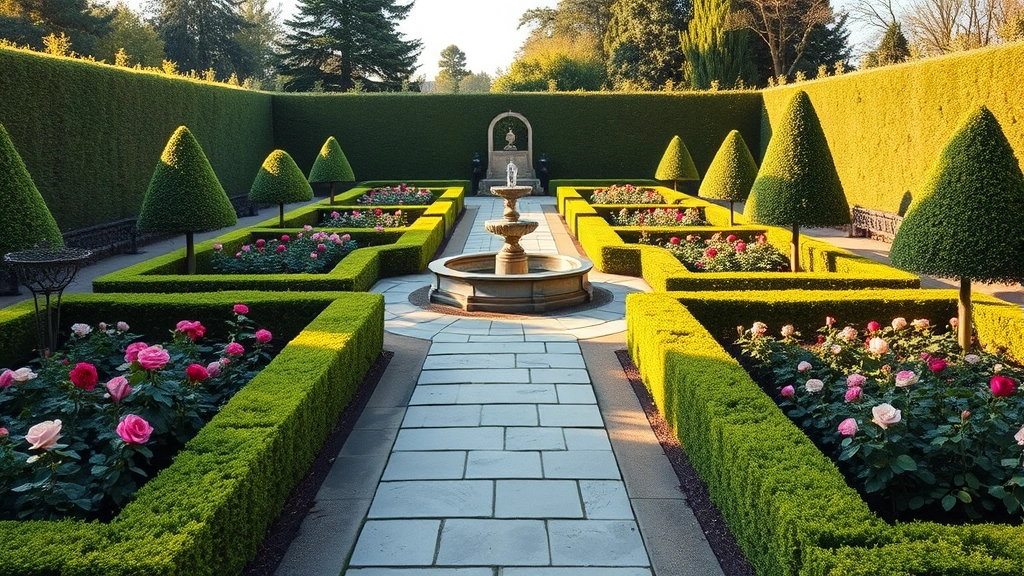
Symmetry is the hallmark of royal garden design. Professional landscapers use bilateral symmetry—creating mirror images on either side of a central axis—to achieve that formal, palace-garden aesthetic. This doesn’t mean your entire garden must be perfectly symmetrical, but the primary viewing areas and entry points should follow this principle.
Begin by establishing a central focal point. This might be a fountain, a sculptural element, or a distinctive specimen plant. From this center point, create balanced plantings on both sides. If you place a rose bed on the left, mirror it on the right. If a hedge wall anchors one corner, a similar structure should balance the opposite side. This creates an immediate sense of order and sophistication that amateur gardeners often overlook.
Pathways in royal gardens typically follow geometric patterns—straight lines, gentle curves, or circular designs. Avoid winding, organic paths; instead, opt for clearly defined routes that guide visitors through the space with intention. Professional landscapers often use garden decor elements to reinforce these pathways, creating visual continuity and structure throughout the space.
Consider dividing your garden into distinct rooms or zones. Traditional royal gardens feature separate areas for different purposes—a cutting garden, a meditation space, a formal entertaining zone, and a quiet retreat. This compartmentalization creates visual interest and allows visitors to discover new vistas as they move through the space, much like walking through different rooms in a palace.
Selecting Premium Plant Varieties
The plants you choose make or break a royal garden design. Professional landscapers prioritize quality over quantity, selecting specimens that will thrive in your climate while maintaining the formal aesthetic. Rather than filling your garden with dozens of different plant species, focus on a refined palette of 8-12 key plants that you’ll repeat throughout the space.
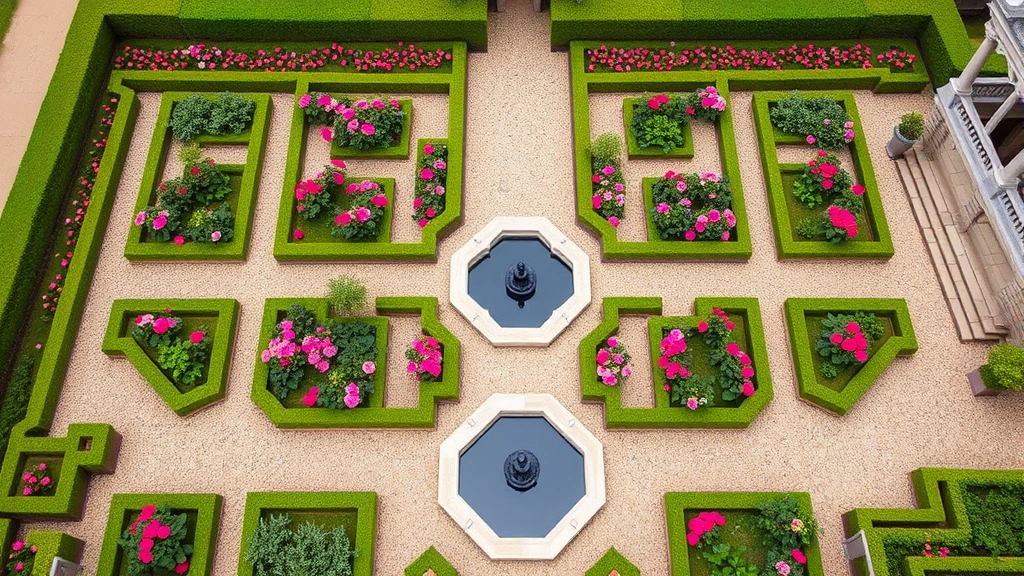
Roses are quintessential to royal gardens. Choose heritage varieties or modern cultivars bred specifically for garden display, such as David Austin roses or classic hybrid teas. These should form the backbone of your flower displays, planted in organized beds with clear edges and consistent spacing. When you prepare garden soil for a thriving garden, dedicate premium beds to these specimens with enriched compost and proper drainage.
Hedging plants create the structure that defines a royal garden. Boxwood, yew, and privet are traditional choices that respond beautifully to formal pruning. Professional landscapers use these plants to create parterres—intricate patterns formed by low hedges—which add mathematical precision to the design. Topiary specimens, whether simple spheres or elaborate animal forms, provide sculptural interest and demonstrate horticultural mastery.
Incorporate specimen trees strategically. A weeping cherry, columnar Italian cypress, or ornamental magnolia can serve as a focal point and add vertical dimension. These should be positioned to frame views, create shade, or mark important transitions within the garden. Choose trees with interesting bark, form, or seasonal interest to ensure year-round elegance.
Herbaceous perennials add color without sacrificing formality. Lavender, delphinium, peony, and ornamental alliums work beautifully in royal gardens when planted in drifts and blocks rather than scattered throughout. This organized approach maintains the sense of control and intention that characterizes regal spaces.
An herb garden fits perfectly into royal garden design, particularly when organized into a formal potager (kitchen garden) with geometric beds. Culinary and medicinal herbs not only provide practical benefits but also add fragrance and texture to the space.
Water Features and Focal Points
Water features have graced royal gardens for millennia. Professional landscapers understand that water—whether still or moving—adds elegance, tranquility, and a sense of luxury to any garden. Fountains are the most obvious choice, serving as both sculptural focal points and sources of soothing sound.
When selecting a fountain, choose a design that complements your overall aesthetic. Classical stone fountains with tiered basins suit traditional royal gardens, while more contemporary designs work for modern interpretations. Position your fountain at the center of the garden or at the end of a primary sightline to maximize its visual impact.
Reflecting pools create serene focal points and add depth to the design. A still body of water mirrors the sky and surrounding plantings, creating a sense of calm and contemplation. Professional landscapers often frame pools with formal edging—cut stone, brick, or decorative tiles—to emphasize their intentional placement.
If you prefer moving water without a traditional fountain, consider a rill—a narrow, formal water channel that guides water through the garden. Rills can run straight or follow gentle curves, and they create visual and auditory interest while maintaining formality. The sound of flowing water adds another sensory dimension to your royal garden experience.
Beyond water, other focal points might include sculptures, pavilions, or distinctive plantings. Professional landscapers ensure these elements are positioned at the end of sightlines or at major intersections within the garden. Each focal point should invite exploration and reward visitors with something beautiful to discover.
Hardscaping Elements
The hardscape—pathways, walls, terraces, and structural elements—provides the framework that supports your royal garden design. Professional landscapers invest significantly in quality hardscaping because it’s the permanent infrastructure that everything else depends upon.
Pathways should be constructed from high-quality materials. Gravel, in formal patterns, creates a classic look with a satisfying crunch underfoot. Pavers or cut stone offer sophistication and durability. Brick laid in herringbone or running bond patterns adds warmth and visual interest. Whatever material you choose, ensure consistent width and clear edges to maintain formality.
Walls and hedges define space and create rooms within your garden. Stone walls provide permanence and gravitas, while clipped hedges offer living architecture that can be refined and maintained. Professional landscapers often combine both, using stone to create structure and hedges to soften and add texture.
Terraces and seating areas should feel intentional and well-integrated. A stone terrace adjacent to the house provides a natural transition between interior and garden spaces. Additional seating areas deeper within the garden offer quiet retreat spots. These should be paved, level, and positioned to take advantage of views or shade.
Pergolas and gazebos add vertical interest and create covered gathering spaces. These structures, when built from quality materials like timber or stone, lend an air of permanence and sophistication. They’re perfect for supporting climbing plants like roses, clematis, or wisteria.
Seasonal Maintenance Strategies
A royal garden requires consistent maintenance to maintain its elegance. Professional landscapers build maintenance schedules into their designs, ensuring that the upkeep aligns with seasonal cycles and plant growth patterns.
Spring is the season for renewal. Prune hedges and topiary to maintain their formal shapes. Divide and replant perennials. Refresh mulch in beds. This is also the ideal time to propagate plants that you want to expand throughout the garden, ensuring consistent specimens across different areas.
Summer demands vigilant watering, deadheading, and pest management. Professional landscapers know that formal gardens, with their specimen plantings and high-quality specimens, sometimes attract pests. Regular inspection and prompt intervention prevent problems from escalating. Deadheading spent flowers keeps plantings looking polished and encourages continued blooming.
Autumn is for cleanup and preparation. Remove fallen leaves from formal beds to maintain the clean aesthetic. Cut back perennials selectively—leaving some structure for winter interest while removing disease-prone foliage. Plant spring bulbs in organized drifts to ensure spring color.
Winter in a royal garden reveals the underlying structure. This is when the framework you’ve created becomes most visible. Evergreen plants, topiary, hedging, and hardscape elements should look beautiful even when deciduous plants are bare. Professional landscapers plan for this by ensuring plenty of evergreen structure and year-round interest from bark, form, and hardscape design.
Lighting and Evening Ambiance
Professional landscapers understand that a royal garden extends into the evening hours. Strategic lighting transforms your garden into a magical space after dark, highlighting focal points and creating atmosphere.
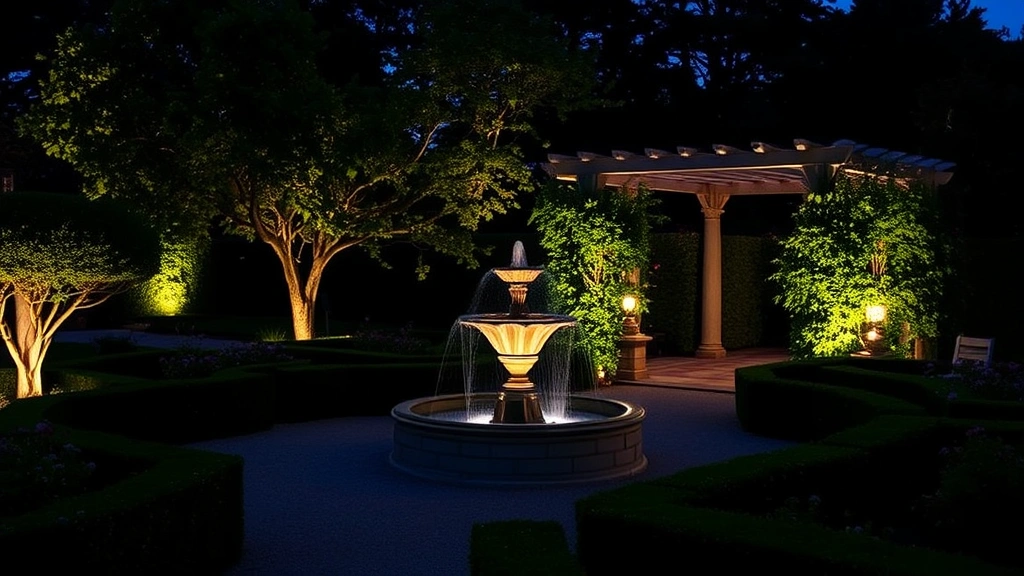
Uplighting on specimen trees creates drama and reveals form in ways that natural daylight doesn’t. Fountains illuminated from within become jewels in the garden. Pathway lighting, subtle and low, guides movement while maintaining ambiance. Avoid harsh overhead lighting; instead, use warm-toned fixtures positioned at ground level or within plantings.
Accent lighting on architectural features—walls, pergolas, sculptures—emphasizes the hardscape elements that define your garden’s structure. This approach creates visual continuity between day and night experiences, allowing your royal garden to maintain its formal elegance regardless of when you’re enjoying it.
Consider how lighting affects views from inside your home. Professional landscapers design lighting schemes that are beautiful from both interior and exterior perspectives, creating a seamless visual connection between house and garden.
For inspiration and additional resources, consult the American Horticultural Society, which offers extensive guidance on formal garden design. The USDA Plant Hardiness Zone Map helps you select plants appropriate for your climate. Many regions offer Master Gardener programs that provide local expertise and support for ambitious gardening projects.
FAQ
What’s the difference between a royal garden and a regular garden?
A royal garden emphasizes formal design principles, symmetry, high-quality specimen plants, and meticulous maintenance. It prioritizes structure, intentional composition, and refined aesthetics over casual, naturalistic approaches. Professional landscapers design royal gardens with specific focal points, geometric pathways, and carefully selected plants arranged in organized patterns.
How much space do I need for a royal garden design?
Royal garden principles can be applied to spaces of any size. Even a small courtyard can incorporate symmetry, specimen plantings, a focal point, and formal edging. The key is proportion and intention, not square footage. Professional landscapers successfully create royal gardens in urban townhouses and sprawling estates alike.
Can I achieve a royal garden in a warm climate?
Absolutely. While classic royal gardens feature roses and hedging suited to temperate climates, professional landscapers adapt the principles to warmer regions using appropriate plants. Mediterranean gardens, for example, use formal design principles with drought-tolerant specimens like Italian cypress, lavender, and ornamental grasses.
How often does a royal garden require professional maintenance?
Most formal gardens benefit from professional maintenance 2-4 times annually, with more frequent visits during growing seasons. Regular pruning, deadheading, and seasonal care keep the garden looking polished. Some gardeners handle maintenance themselves with proper knowledge and tools.
What’s the best time to start a royal garden project?
Early spring or autumn are ideal for beginning garden construction and planting. These seasons provide optimal growing conditions for establishment. Professional landscapers often plan projects during winter and begin implementation in spring when soil conditions are favorable.
How do I incorporate modern elements into a royal garden?
Contemporary royal gardens blend traditional design principles with modern materials and plant selections. Use clean-lined hardscaping in materials like composite or steel, integrate contemporary sculptures, and select modern plant cultivars bred for improved disease resistance and performance. The formal structure remains; only the elements evolve.


