Los Angeles Garden Spaces: Local Insights for Year-Round Growing
Los Angeles offers unique gardening opportunities that differ dramatically from other regions. With its Mediterranean climate, mild winters, and abundant sunshine, LA gardeners can cultivate plants that thrive in few other places across America. Whether you’re managing a sprawling backyard or a compact balcony space, understanding the specific conditions of Los Angeles gardens is essential for success. The city’s diverse microclimates, from coastal zones to inland valleys, create distinct growing environments that demand tailored approaches to plant selection and care.
Garden spaces in Los Angeles range from traditional in-ground beds to innovative vertical gardens and container systems. The region’s year-round growing season means you can plant and harvest continuously, but success requires knowledge of local pests, water availability, and seasonal timing. This guide explores practical strategies for maximizing your LA garden space, whether you’re interested in edibles, ornamentals, or a combination of both. We’ll cover everything from soil preparation to pest management, all tailored to Los Angeles’ specific conditions.
Understanding LA’s Mediterranean Climate
Los Angeles experiences a Mediterranean climate characterized by warm, dry summers and mild, wet winters. This pattern fundamentally shapes what you can grow and when. The city rarely experiences frost, with winter lows typically ranging from 45-55°F, making it possible to grow tender perennials year-round. Summer temperatures frequently exceed 80°F, though coastal areas remain more moderate due to marine layer influence.
The growing season in Los Angeles extends nearly 365 days, but understanding the subtle seasonal shifts is crucial. Late spring through early summer brings reliable heat perfect for warm-season crops like tomatoes, peppers, and eggplant. Fall and winter, while mild, provide ideal conditions for cool-season vegetables including lettuce, broccoli, spinach, and kale. The transition periods in spring and fall are critical—they’re when many gardeners make planting decisions that determine their harvest success.
Microclimates play a significant role in LA gardening. Coastal communities experience cooler temperatures, higher humidity, and marine layer effects that can delay plant maturity. Inland valleys and foothill areas warm more quickly and maintain higher temperatures. Understanding your specific location within Los Angeles helps you select appropriate plants and timing. Check your USDA hardiness zone to guide plant selections for your exact neighborhood.
Maximizing Small Garden Spaces
Many Los Angeles residents work with limited space. Urban apartments, townhouses, and small yards require creative approaches to gardening. The key to success in confined areas involves vertical growing, strategic container placement, and selecting plants that produce abundant yields in minimal space.
Start by assessing available sunlight in your space. Most edible plants require 6-8 hours of direct sun daily. South-facing walls and patios typically receive maximum sun, while north-facing areas work better for shade-tolerant plants. West-facing exposures can become scorching in summer, requiring afternoon shade cloth for sensitive plants. East-facing locations offer gentle morning sun without intense afternoon heat—ideal for many vegetables.
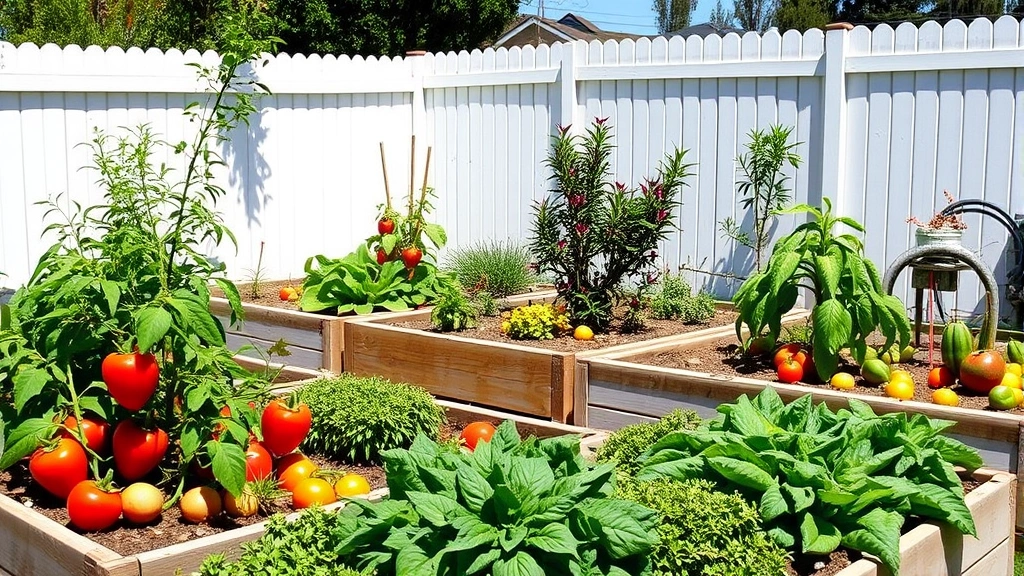
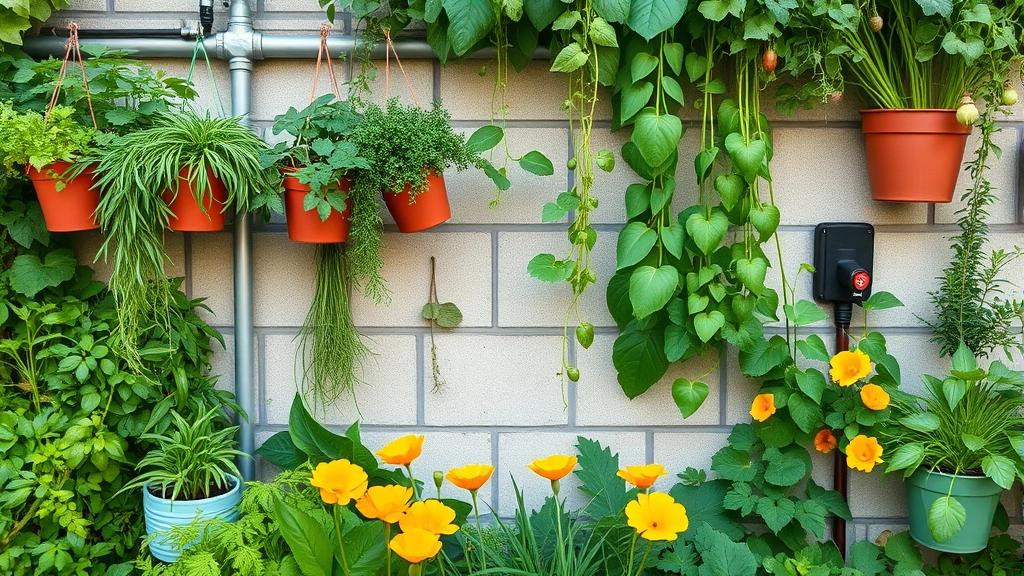
Consider implementing raised garden beds even in small spaces. A 4×4 foot raised bed can produce substantial harvests when properly managed. Stack multiple levels vertically to increase growing area without expanding your footprint. Wall-mounted planters, tiered shelving, and hanging baskets multiply available growing space dramatically. An indoor herb garden on a sunny windowsill provides fresh herbs year-round with minimal space requirements.
Succession planting maximizes productivity in small areas. Rather than planting everything simultaneously, stagger plantings every 2-3 weeks. As one crop finishes, remove it and plant something new. This continuous cycle ensures consistent harvests throughout the year. Compact varieties bred for container growing occupy less space while producing full-sized fruits and vegetables.
Best Plants for Los Angeles Gardens
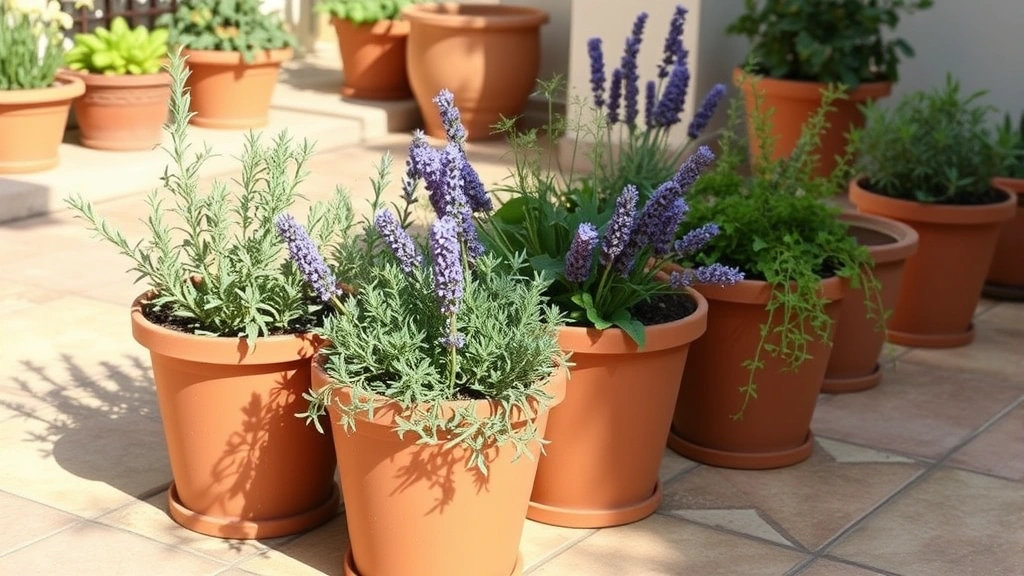
Los Angeles’ climate supports an impressive range of plants that struggle elsewhere. Mediterranean herbs like rosemary, lavender, and oregano thrive in local conditions with minimal care. These plants appreciate the dry summers and well-draining soil typical of LA gardens. Citrus trees—including lemons, limes, oranges, and avocados—flourish in most LA neighborhoods, providing years of production from a single tree.
For vegetable gardening, cool-season crops excel during LA’s mild winter months (October through March). Lettuce, kale, spinach, chard, broccoli, cauliflower, and Brussels sprouts produce abundantly during these months. Plant these in fall for winter harvests, or in late winter for spring crops. Warm-season vegetables like tomatoes, peppers, eggplant, squash, and beans thrive from April through September, though some gardeners extend tomato seasons into November with proper care.
Growing mint in pots prevents this aggressive herb from overtaking your garden while providing fresh leaves for beverages and cooking. Mint tolerates LA’s conditions exceptionally well and produces prolifically. Other container-friendly herbs include basil, thyme, sage, and marjoram.
Ornamental plants that thrive in LA include California natives like ceanothus, manzanita, and California poppy. These drought-tolerant plants require minimal supplemental watering once established and attract native pollinators. Succulents and cacti naturally suit the Mediterranean climate, requiring little maintenance while providing year-round visual interest. Perennials like salvia, penstemon, and blanket flower add color with minimal water demands.
Consider visiting the Descanso Gardens in La Cañada Flintridge to see plants thriving in LA conditions. This 160-acre botanical garden showcases plant communities that adapt well to local climate, providing inspiration and knowledge about successful species selection.
Water Conservation Strategies
Despite LA’s Mediterranean climate, water conservation remains essential. The region experiences periodic droughts, and water restrictions can impact gardening practices. Implementing efficient irrigation systems reduces water waste while maintaining plant health.
Drip irrigation delivers water directly to plant roots, minimizing evaporation and runoff. Soaker hoses and drip lines use 50% less water than overhead sprinklers while improving plant health by keeping foliage dry. Install drip systems with timers to water early morning (5-7 AM) when temperatures are cool and wind is minimal. This timing reduces water loss to evaporation and allows plants to absorb moisture before daytime heat arrives.
Soil amendment dramatically improves water retention. Incorporate 2-3 inches of compost into planting beds before installing plants. Organic matter increases soil’s water-holding capacity, reducing irrigation frequency. Mulching with 2-3 inches of wood chips or compost further reduces evaporation while moderating soil temperature. Keep mulch several inches away from plant stems to prevent rot.
Select drought-tolerant plants whenever possible. California natives, Mediterranean herbs, and established succulents require minimal supplemental watering once their root systems develop. Group plants by water needs—place thirsty vegetables together and drought-tolerant ornamentals separately. This allows you to water each zone appropriately without wasting resources.
Rainwater harvesting captures free water for irrigation. Install rain barrels to collect runoff from gutters, providing supplemental irrigation during dry periods. LA’s winter rains often provide sufficient moisture for cool-season crops, reducing or eliminating irrigation needs from November through March.
Container and Raised Bed Gardening
Containers offer flexibility for Los Angeles gardeners with space limitations or poor soil conditions. Select containers with drainage holes and use quality potting soil rather than garden soil. Containers warm faster than ground beds in spring, allowing earlier planting of warm-season crops. However, they dry faster during summer heat, requiring more frequent watering.
When building a raised garden bed, construct frames from untreated wood, composite materials, or galvanized metal. Fill beds with a mixture of quality topsoil, compost, and peat moss or coconut coir in roughly equal proportions. This blend provides excellent drainage while retaining nutrients and moisture. Raised beds warm faster in spring than ground beds, extending your growing season at both ends.
Containers suit herbs exceptionally well. Mediterranean herbs like rosemary, thyme, oregano, and lavender thrive in pots, requiring less frequent watering than vegetables. Growing mint in containers prevents it from spreading uncontrollably while making fresh leaves easily accessible. Arrange herb containers near kitchen doors for convenient harvesting while cooking.
Vertical gardening maximizes container productivity. Stack pots on shelving units, use wall-mounted planters, or install hanging baskets to increase growing area without expanding footprint. Trailing plants like strawberries, sweet potato vine, and creeping thyme work beautifully in hanging containers. Tall trellises support climbing vegetables like peas, beans, and cucumbers, producing abundant yields in minimal ground space.
Container size matters significantly. Small pots (under 12 inches diameter) suit herbs and leafy greens. Medium containers (12-18 inches) accommodate vegetables like peppers, eggplant, and chard. Large pots (18+ inches) support tomatoes, squash, and other heavy producers. Ensure adequate drainage and use fresh potting soil annually to prevent disease buildup.
Seasonal Planting Guide for LA
Los Angeles’ extended growing season allows multiple planting cycles annually. Understanding optimal timing for each crop maximizes harvests. Spring (March-May) is ideal for warm-season vegetables. Plant tomatoes, peppers, eggplant, squash, beans, and cucumbers after the last frost date (typically mid-April in most LA areas). These crops thrive through summer and often produce into fall.
Cool-season crops dominate fall and winter (September-February). Sow lettuce, spinach, kale, broccoli, cauliflower, and Brussels sprouts in August-September for fall harvests, or in December-January for spring production. These crops prefer temperatures below 75°F and actually improve in flavor after light frosts.
Summer presents challenges in inland LA areas where temperatures exceed 95°F. Many plants struggle with extreme heat. Focus on heat-tolerant varieties like Armenian cucumber, yard-long beans, eggplant, and sweet potato. Provide afternoon shade cloth for tender plants. Coastal areas remain cooler, allowing extended tomato and pepper production.
Perennial herbs and established trees require different timing. Plant most trees and shrubs in fall or early spring when they’re dormant, allowing root establishment before stress periods. Mediterranean herbs like rosemary and lavender tolerate planting year-round but establish best in fall and spring.
For gardening tips for beginners, start with spring planting of warm-season vegetables. Success builds confidence and skills for tackling more challenging crops. Track what works in your specific microclimate through a garden journal, noting planting dates, varieties, and harvest results.
Managing Pests Naturally
Los Angeles’ year-round growing season means pests remain active throughout the year. Rather than relying on chemical pesticides, implement integrated pest management (IPM) strategies that work with natural processes.
Encourage beneficial insects that prey on garden pests. Ladybugs consume aphids, lacewings eat whiteflies and mites, and parasitic wasps control caterpillars. Plant flowers that attract beneficials, including yarrow, alyssum, marigolds, and sunflowers. Allow some plants to flower even in vegetable gardens—these provide nectar and pollen sustaining beneficial insect populations.
Physical barriers prevent pest damage. Row covers protect young plants from insects during critical growth stages. Hand-picking larger pests like caterpillars and beetles removes them before populations explode. Regular inspection catches problems early when they’re easiest to manage.
Pest-resistant varieties reduce problems significantly. Select tomato varieties resistant to powdery mildew and early blight—common LA fungal issues. Choose lettuce varieties resistant to bolting in heat. Resistant varieties often perform better overall while requiring less intervention.
Organic sprays address persistent problems. Neem oil controls aphids, spider mites, and scale insects. Spinosad manages caterpillars and thrips. Insecticidal soap eliminates soft-bodied insects. Always follow label directions and spray during cooler morning or evening hours to protect beneficial insects.
Disease prevention matters as much as pest control. Provide adequate spacing for air circulation, water at soil level rather than overhead, and remove diseased leaves promptly. Mulching prevents soil-borne pathogens from splashing onto foliage. Crop rotation (planting different plant families in different locations yearly) breaks pest and disease cycles.
Garden decor elements like bird feeders and water sources attract birds that consume massive quantities of insects. Creating a welcoming habitat for natural predators provides ongoing pest control without chemicals.
Contact your local UC Cooperative Extension office for specific pest identification and management recommendations tailored to your Los Angeles neighborhood. Master gardener programs offer free advice on local growing challenges.
FAQ
What’s the best time to start a garden in Los Angeles?
Spring (March-May) is ideal for beginners since warm-season vegetables are forgiving. However, fall (August-September) actually offers superior conditions for most crops since cooler temperatures reduce stress. Year-round planting is possible in LA—choose crops suited to each season.
Can I grow tomatoes year-round in LA?
Tomatoes produce abundantly from April through October in most LA areas. Coastal regions extend seasons into November. Winter production is possible but requires protection from occasional cold snaps and reduced sunlight. Spring and summer remain peak tomato seasons.
How much sun do vegetables need in Los Angeles?
Most vegetables require 6-8 hours of direct sunlight daily. Leafy greens tolerate 4-6 hours. In coastal LA where marine layer reduces light, select varieties tolerant of partial shade. South-facing locations receive maximum sun; north-facing areas suit shade-tolerant plants.
Is LA tap water safe for gardens?
LA tap water is safe for gardens, though it contains chlorine and sometimes high mineral content. Let tap water sit overnight in containers to allow chlorine to evaporate before watering sensitive plants. Rainwater harvesting provides chlorine-free irrigation during winter months.
What native plants thrive in LA gardens?
California native plants like ceanothus, manzanita, California poppy, sage, and penstemon thrive in local conditions. These plants support native pollinators and wildlife while requiring minimal water once established. Visit local native plant nurseries for species suited to your specific area.
How do I prevent powdery mildew in my LA garden?
Provide adequate plant spacing for air circulation, water at soil level only, and remove infected leaves promptly. Select resistant varieties when available. Neem oil or sulfur sprays manage established infections. Evening watering and morning leaf drying help prevent fungal diseases.
Can I garden year-round in Los Angeles?
Yes! LA’s mild climate allows continuous gardening. Plant cool-season crops September-March and warm-season crops April-August. Many herbs and perennials produce year-round. Strategic planning ensures harvests every month of the year.


