Best Garden Gloves? Pro Gardener Recommendations
Selecting the right garden gloves is one of the most overlooked decisions in gardening, yet it profoundly impacts your comfort, safety, and productivity in the garden. Whether you’re a weekend hobbyist tending to a small vegetable patch or a seasoned gardener managing acres of ornamental beds, the gloves you choose can mean the difference between enjoying your time outdoors and struggling through painful blisters, cuts, and chemical exposure. After years of hands-on experience and testing dozens of options, I’ve discovered that there’s no single “best” glove—instead, the ideal choice depends on your specific gardening tasks, climate, and personal preferences.
The gardening glove market has exploded in recent years, offering everything from heavy-duty leather work gloves to delicate nitrile-coated options designed for precision tasks. This comprehensive guide draws from professional recommendations, real-world testing, and the collective wisdom of master gardeners to help you navigate this expanding landscape. We’ll explore different glove types, materials, and features that matter most, ensuring you invest in gloves that actually enhance your gardening experience rather than hinder it.
Understanding Garden Glove Materials
The foundation of any quality garden glove lies in its material composition. Different materials offer distinct advantages and limitations, and understanding these differences is crucial for making an informed decision. Leather remains the gold standard for durability and protection, particularly when working with thorny plants or handling rough soil preparation. Full-grain leather provides superior puncture resistance and develops a natural patina over time, improving grip and flexibility. However, leather requires regular conditioning to maintain its suppleness and can become stiff in cold weather or when exposed to prolonged moisture.
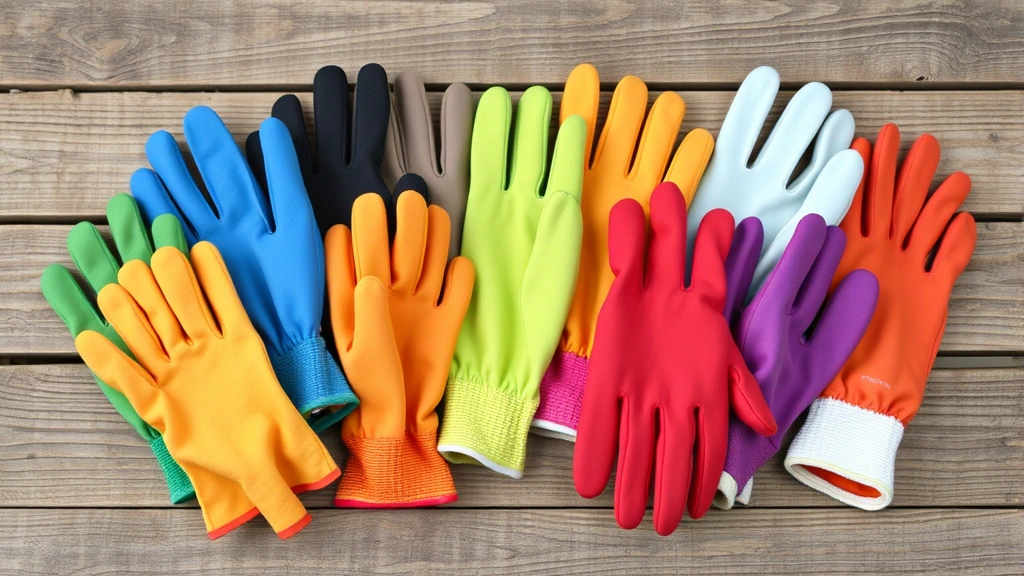
Synthetic materials have made remarkable strides in recent years, offering practical alternatives to traditional leather. Nitrile coatings provide excellent chemical resistance, making them ideal for gardeners who apply fertilizers, pesticides, or herbicides. Polyurethane-coated gloves offer superior dexterity and are often preferred for detailed work like planting delicate herbs or pruning. Cotton liners, whether used alone or as the base layer under other materials, provide breathability and comfort during extended gardening sessions. Many professional gardeners prefer hybrid glove options that combine multiple materials to balance protection with comfort.
Latex-free options have become increasingly important for gardeners with sensitive skin or allergies. Bamboo-derived fabrics represent an emerging sustainable choice, offering moisture-wicking properties and natural antimicrobial characteristics. When evaluating materials, consider your climate zone, the types of plants you work with, and any skin sensitivities you may have. A glove that works perfectly for a gardener in arid Colorado might feel uncomfortable for someone in humid Florida.
Types of Garden Gloves for Different Tasks
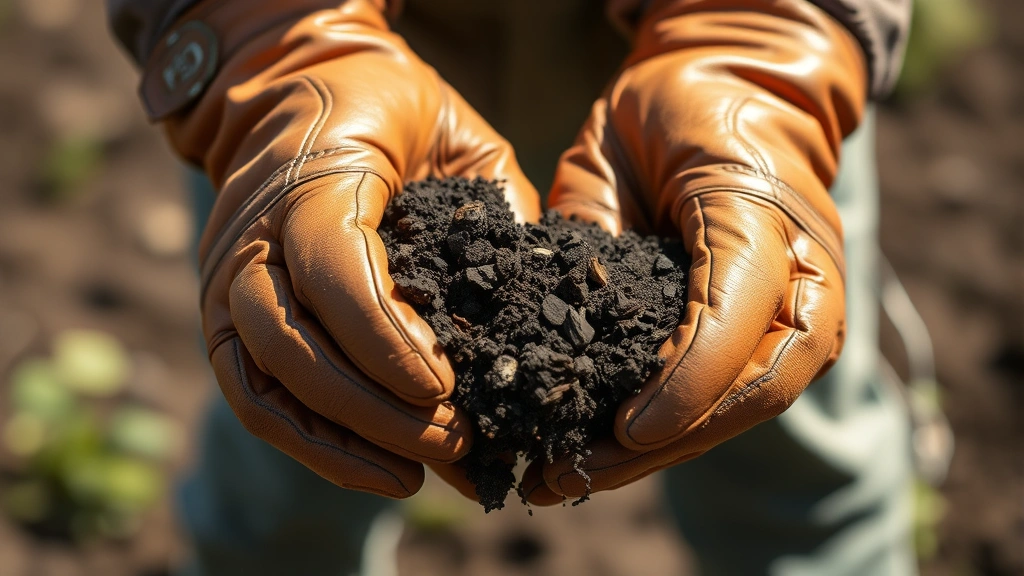
Not all gardening tasks require the same level of protection or dexterity. Work gloves come in several distinct categories, each optimized for specific gardening activities. Heavy-duty work gloves, typically made from leather or reinforced synthetic materials, excel at protecting your hands during soil preparation, digging, and handling rough materials. These gloves feature extended cuffs that protect your wrists and forearms from scratches and UV exposure. If you’re preparing garden soil or working with composted materials, heavy-duty options provide the protection you need.
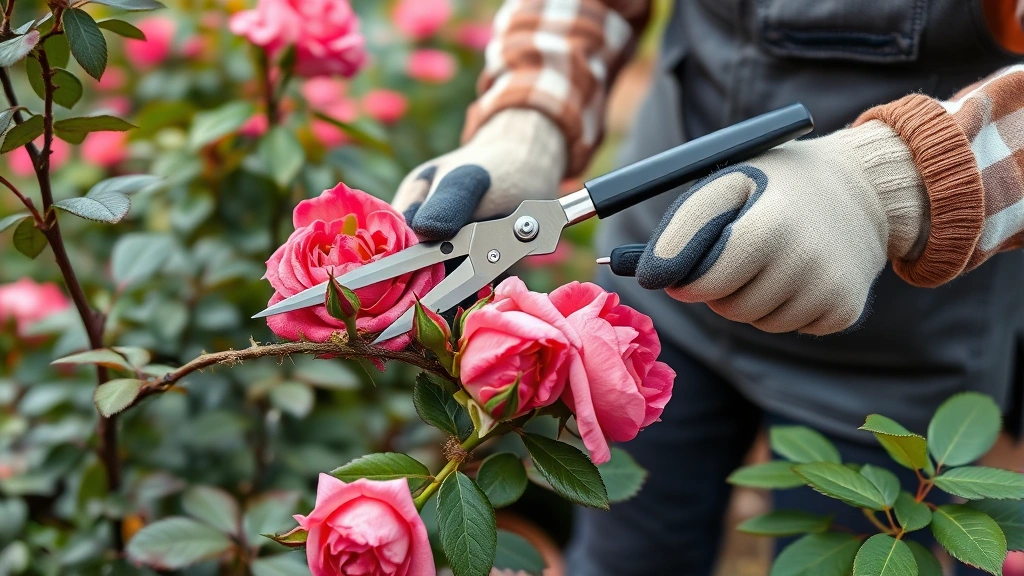
Pruning gloves represent a specialized category designed specifically for working with thorny plants like roses, raspberries, and blackberries. These gloves typically feature reinforced palms and fingers, with extended cuffs that cover the forearms—sometimes reaching up to the elbows. Professional pruners often choose gloves with textured surfaces that improve grip on wet or pruning tools. The best pruning gloves balance protection with flexibility, allowing you to maintain proper technique while working with sharp pruning shears or loppers.
Precision work gloves prioritize dexterity over maximum protection, making them ideal for detailed tasks like seed sowing, transplanting, and deadheading. These lighter-weight options typically use thin polyurethane or nitrile coatings over jersey cotton bases. Gardeners working with delicate indoor plants or herbs often prefer precision gloves that allow for sensitive tactile feedback. Some gardeners alternate between glove types throughout their work session, changing to precision gloves when tasks require fine motor control.
Chemical-resistant gloves deserve special attention for any gardener applying treatments to plants. These gloves, typically made from neoprene, nitrile, or specialty synthetic materials, provide a barrier against pesticides, fungicides, and herbicides. When selecting chemical-resistant gloves, ensure they meet appropriate safety certifications and that you’re using the correct glove type for the specific chemicals in your gardening arsenal. Never assume that any garden glove provides adequate chemical protection—verify the product specifications.
All-purpose garden gloves attempt to balance protection, dexterity, and comfort across multiple gardening activities. These versatile options work reasonably well for general gardening but may not excel at any single task. Many recreational gardeners find that a single pair of quality all-purpose gloves meets their needs, while serious gardeners typically maintain several pairs optimized for different purposes.
Seasonal Considerations for Glove Selection
The season dramatically influences which garden gloves perform best. Spring and fall gardening often calls for lightweight gloves that provide protection without excessive heat buildup. During these transitional seasons, cotton or cotton-blend gloves with minimal coating offer ideal conditions—they protect your hands from soil, thorns, and minor cuts while remaining breathable enough for extended wear. Spring planting season particularly benefits from precision gloves that allow you to feel soil texture and moisture levels while maintaining protection.
Summer gardening presents unique challenges, as heavy gloves can cause excessive perspiration and discomfort during long work sessions in high temperatures. Lightweight nitrile-coated gloves or thin polyurethane options allow your hands to breathe while still providing chemical protection if you’re applying treatments. Some gardeners prefer fingerless options during summer, accepting slightly reduced protection in exchange for maximum breathability. However, fingerless gloves offer no protection against thorns, so reserve these for thorn-free tasks like watering or light weeding.
Winter gardening requires insulated garden gloves that maintain dexterity despite cold temperatures. Gloves with fleece or thermal linings protect against cold-induced stiffness while maintaining enough flexibility for detailed work. Waterproof coatings become essential during winter, as moisture exposure combined with cold temperatures can quickly lead to hand discomfort and potential injury. Many professional gardeners prefer gloves with textured palms during winter months, as they maintain superior grip on wet or icy tools and surfaces.
Climate zone significantly influences seasonal glove requirements. Gardeners in zones with mild winters may never need insulated gloves, while those in northern regions should maintain multiple pairs for different seasons. Consider your region’s typical weather patterns and adjust your glove collection accordingly. A well-stocked gardener might own lightweight summer gloves, versatile all-purpose options for spring and fall, and insulated winter pairs.
Features That Separate Quality Gloves From the Rest
When evaluating garden gloves, several key features distinguish professional-grade options from budget alternatives. Reinforced palm and finger areas provide extended durability, particularly important for heavy-use gloves that experience constant friction. Look for double or triple-stitched seams, as these resist tearing and unraveling far better than single-stitched construction. The stitching quality often indicates overall manufacturing standards and durability expectations.
Cuff design significantly impacts comfort and protection. Longer cuffs extend protection up the wrists and forearms, reducing exposure to scratches, thorns, and UV rays. However, excessively long cuffs can restrict movement or feel uncomfortable for some gardeners. Mid-length cuffs typically offer the best balance, extending protection without interfering with most gardening activities. Some premium gloves feature adjustable cuffs with elastic or Velcro closures, allowing customization to fit different wrist sizes and preferences.
Grip quality determines how well you can handle tools and materials. Textured palms and fingers improve grip on wet surfaces, tools, and plant materials. The best garden gloves maintain grip even when damp, a critical feature for morning gardening when dew covers everything. Test grip quality by handling wet objects before purchasing if possible, as some textured surfaces perform better than others.
Flexibility and range of motion matter more than many gardeners realize. Gloves that are too stiff or restrictive lead to hand fatigue and reduced productivity. Quality gloves allow natural hand movement while still providing protection. Pre-curved fingers, a feature found in premium options, match the natural resting position of your hand, reducing strain during extended wear.
Breathability directly impacts comfort during long gardening sessions. Moisture-wicking liners prevent sweat accumulation, which can lead to discomfort and increased risk of blisters. Ventilation panels or mesh sections improve airflow while maintaining protection. During warm seasons, breathability often outweighs other considerations for many gardeners.
Sizing accuracy ensures proper fit and function. Ill-fitting gloves cause blisters, reduce dexterity, and feel uncomfortable. Most quality manufacturers provide detailed sizing charts based on hand circumference and length measurements. Investing time in getting the correct size pays dividends in comfort and performance. Consider ordering multiple sizes if trying a new brand, as sizing standards vary considerably between manufacturers.
Professional Recommendations and Top Picks
Based on extensive testing and professional gardener feedback, several glove options consistently receive top recommendations across different categories. For heavy-duty work and soil preparation, leather work gloves with reinforced palms offer exceptional durability and protection. These traditional options have proven their worth across generations of gardeners and remain the standard for serious soil work. When selecting leather gloves, prioritize full-grain leather over split leather, as it provides superior durability and aging characteristics.
For rose and thorn pruning, extended-cuff pruning gloves with reinforced fingers and palms provide the specialized protection this demanding task requires. Professional landscape gardeners often choose gloves with textured grip surfaces and flexibility that allows precise tool control. The investment in quality pruning gloves quickly pays for itself through reduced hand injuries and increased comfort during extended pruning sessions.
Precision work benefits from thin, flexible gloves with excellent tactile feedback. Nitrile-coated cotton gloves excel in this category, offering protection without sacrificing the ability to feel soil texture, plant materials, and tool feedback. These gloves work equally well for various gardening activities documented on our blog, from detailed planting work to light harvesting tasks.
Chemical-resistant gloves deserve careful selection based on the specific chemicals you use. Neoprene gloves offer excellent resistance to most common garden chemicals, while nitrile options work well for many applications. Always verify that your chosen gloves meet appropriate safety certifications for the chemicals in your gardening regimen. When in doubt, consult product safety data sheets or contact the glove manufacturer directly.
For gardeners seeking sustainable options, bamboo-based gloves represent an emerging choice with genuine environmental benefits. These gloves offer natural moisture-wicking properties, antimicrobial characteristics, and reduced environmental impact compared to conventional synthetic options. While premium-priced, many environmentally conscious gardeners find the sustainability benefits justify the investment.
All-purpose gloves that balance protection, dexterity, and durability suit most recreational gardeners. Look for options combining leather reinforcement with synthetic flexibility, offering the best of both materials. These versatile gloves handle everything from weeding to light pruning with adequate protection and comfort.
Care and Maintenance Tips
Proper care extends the life of your garden gloves significantly, protecting your investment and ensuring consistent performance. After each gardening session, remove soil and debris by gently brushing or rinsing your gloves. Allow them to air dry completely before storing, as moisture promotes mold growth and material degradation. Never store damp gloves in sealed containers or bags, as this accelerates deterioration.
Leather gloves require periodic conditioning to maintain suppleness and water resistance. Quality leather conditioner applied every few months keeps leather from becoming brittle or cracking. Use a soft cloth to work conditioner into the leather, following product instructions for best results. This simple maintenance routine can extend leather glove lifespan by years.
Synthetic gloves benefit from occasional hand washing with mild soap and water. Avoid harsh chemicals or bleach, which can degrade the coating. Air drying prevents heat damage that could occur in dryers or near direct heat sources. Store synthetic gloves in a cool, dry location away from direct sunlight, which can fade and weaken materials over time.
Inspect gloves regularly for signs of wear, tears, or coating degradation. Small holes can be patched with appropriate materials, extending useful life. However, once gloves develop significant damage or loss of protection, replacement becomes necessary. Attempting to use compromised gloves risks hand injury and exposure to soil-borne pathogens or chemicals.
Rotate between multiple pairs of garden gloves when possible. This practice allows adequate drying time between uses and extends overall lifespan by distributing wear across multiple pairs. Many serious gardeners maintain at least three pairs—one in use, one drying, and one in storage as backup.
For gloves used with chemicals, decontamination before storage prevents material damage and reduces residue exposure. Rinse thoroughly with water after chemical applications, using a brush to remove any dried residue. Allow complete drying before storage to prevent chemical-induced degradation.
FAQ
What size garden gloves should I buy?
Garden glove sizing typically uses hand measurements including palm circumference and length from wrist to fingertip. Most manufacturers provide detailed sizing charts—measure your hand according to their specifications for accurate sizing. When trying new brands, consider ordering multiple sizes, as standards vary between manufacturers. Proper fit prevents blisters and ensures optimal dexterity.
Can I wash garden gloves in a washing machine?
Hand washing is generally safer than machine washing for most garden gloves. Use cool water with mild soap, gently scrubbing with a soft brush. Machine washing, particularly with hot water or harsh detergents, can damage coatings and degrade materials. Always air dry gloves completely—never use a dryer, which can cause heat damage.
How often should I replace my garden gloves?
Replacement frequency depends on use intensity and glove quality. Heavy-use gardeners might replace gloves every few months, while casual gardeners can use the same pair for years. Replace gloves when they develop holes, lose coating integrity, or no longer provide adequate protection. Regular inspection helps you identify when replacement becomes necessary.
Are leather garden gloves better than synthetic options?
Both materials offer distinct advantages. Leather provides superior durability and develops character with age, but requires maintenance and can feel stiff in cold weather. Synthetic options offer better flexibility, easier care, and often superior chemical resistance. The “better” choice depends on your specific gardening tasks and personal preferences. Many gardeners maintain both types for different purposes.
What gloves work best for pruning thorny plants?
Specialized pruning gloves with extended cuffs, reinforced fingers and palms, and textured grip surfaces provide optimal protection for thorny plants. Look for flexibility that allows proper tool control while maintaining thorn resistance. Leather pruning gloves with reinforced areas offer excellent durability for this demanding task.
Can I use regular work gloves for gardening?
While regular work gloves provide some protection, they often lack features optimized for gardening. Garden-specific gloves typically offer better flexibility, improved grip on wet materials, and designs that accommodate gardening tools more effectively. However, quality work gloves can function adequately for heavy soil work or general gardening tasks.
Are waterproof garden gloves worth the investment?
Waterproof gloves prove invaluable during winter gardening, early morning work when dew covers plants, or whenever you’re working with wet materials. For gardeners in wet climates or those who garden year-round, waterproof options significantly enhance comfort. Seasonal gardeners in dry climates may find waterproof features less essential.
What should I look for in chemical-resistant gloves?
When selecting chemical-resistant gloves, verify they meet appropriate safety certifications for the specific chemicals you use. Check product specifications against your gardening chemicals’ safety data sheets. Neoprene and nitrile offer excellent chemical resistance for most common garden applications. Replace chemical-resistant gloves regularly, as protective coatings degrade with repeated exposure.


