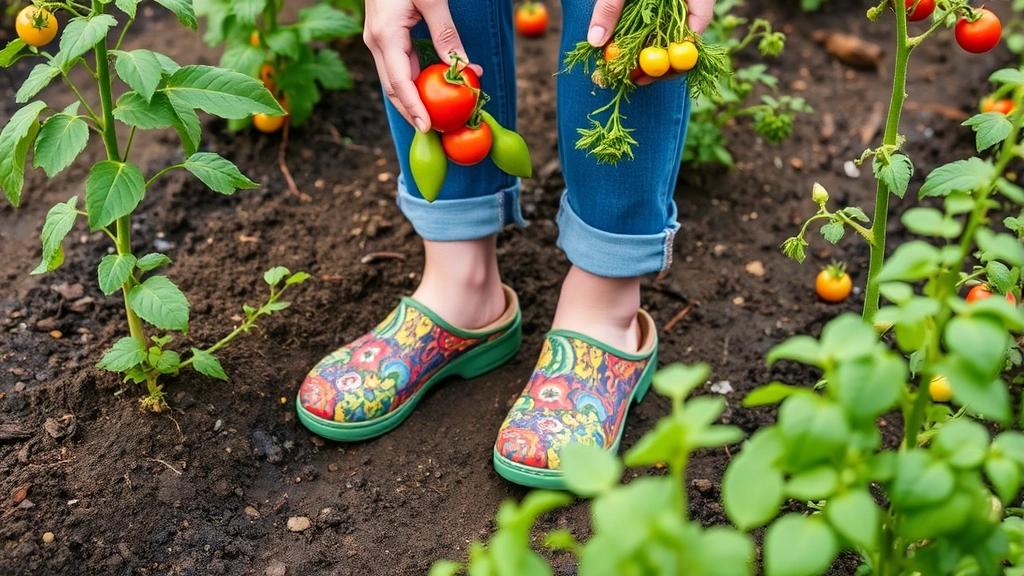
Best Garden Clogs? Gardener’s Top Picks for Comfort and Durability
When you’re spending hours in the garden preparing soil, planting seedlings, or harvesting vegetables, your footwear matters more than you might think. Garden clogs have become an essential piece of equipment for serious gardeners, offering the perfect balance of comfort, protection, and practicality. Unlike regular shoes, quality garden clogs are specifically designed to handle wet conditions, muddy terrain, and the constant movement that gardening demands.
Whether you’re a seasoned gardener working on your latest garden soil preparation project or just starting your gardening journey as a beginner, investing in proper garden clogs can prevent foot pain, blisters, and injuries. The right pair can last for years and make your time outdoors significantly more enjoyable.
In this comprehensive guide, we’ll explore the best garden clogs available today, discuss what features matter most, and help you find the perfect pair for your gardening lifestyle.
Why Garden Clogs Matter for Every Gardener
Many gardeners underestimate the importance of proper footwear, but spending time in unsuitable shoes can lead to serious problems. When you’re constantly bending, walking on uneven ground, and dealing with wet conditions, your feet bear tremendous stress. Regular sneakers absorb water, become heavy and uncomfortable, and provide inadequate support for the uneven surfaces found in gardens.
Garden clogs specifically address these challenges. They’re designed with drainage holes to let water escape quickly, keeping your feet dry even when working near irrigation systems or after rain. The wider toe box accommodates natural foot spread, reducing pressure and discomfort. Most quality garden clogs feature slip-resistant soles that grip muddy or wet surfaces, preventing dangerous slips and falls.
Beyond physical comfort, the right garden clogs can boost your productivity. When your feet are happy, you can spend more time tending to your plants, whether you’re growing blueberries in containers or maintaining ornamental beds. You’ll also find yourself moving faster and with better posture when your feet aren’t crying out in pain.
The investment in quality garden clogs is truly an investment in your gardening experience. Most gardeners report that proper footwear extends their outdoor gardening sessions by 30-50%, simply because they’re more comfortable and confident moving around their garden.
Top Features to Look for in Quality Garden Clogs
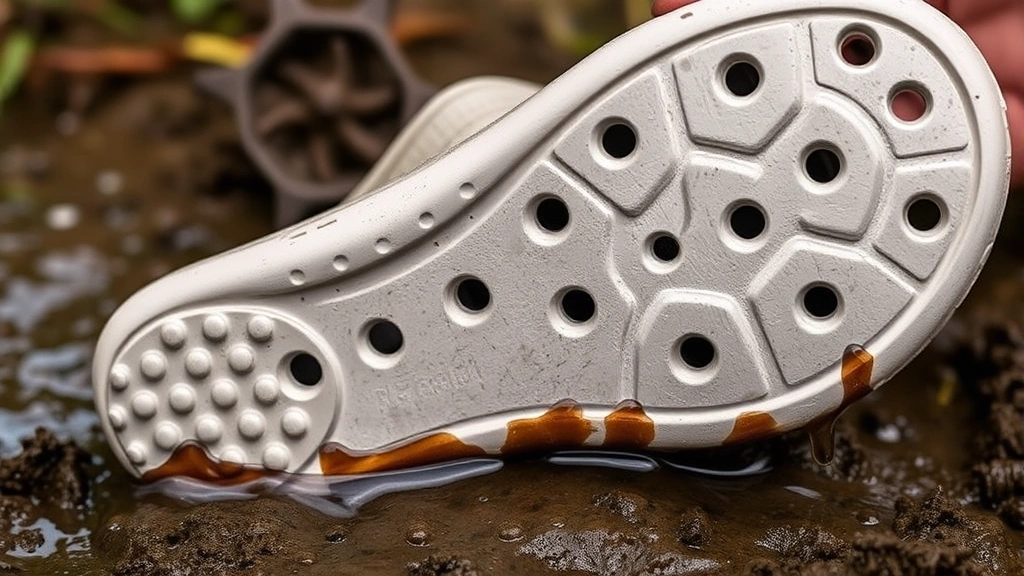
Drainage and Water Management should be your first priority. The best garden clogs feature strategically placed drainage holes in the sole and sides that allow water to exit quickly while preventing mud from accumulating inside. Look for clogs with perforated designs that maintain structural integrity while maximizing drainage. Some premium options include ventilation channels that guide water away from your feet.
Slip-Resistant Soles are non-negotiable for safety. Garden surfaces are unpredictable—wet grass, muddy paths, and slippery deck areas require excellent traction. High-quality rubber soles with deep treads provide the grip you need, even in challenging conditions. Test the sole’s flexibility; it should bend easily at the ball of your foot while maintaining grip integrity.
Arch Support and Cushioning make the difference between an uncomfortable experience and genuine comfort during long gardening sessions. Look for clogs with contoured insoles that support your natural arch. Memory foam or EVA cushioning absorbs impact as you walk on hard surfaces, reducing fatigue in your feet, knees, and lower back. This becomes increasingly important as you age or if you have any existing foot conditions.
Durable Materials determine how long your clogs will last. Premium garden clogs are typically made from rubber, neoprene, or reinforced synthetic materials that withstand constant moisture exposure, UV rays, and the wear-and-tear of gardening. Leather options exist but require more maintenance in wet conditions. The material should be flexible enough to conform to your foot while remaining rigid enough to protect against sharp objects.
Proper Fit and Adjustability ensure your clogs stay secure during active movement. Adjustable heel straps prevent your foot from sliding forward, while a snug fit around the midfoot keeps clogs from coming off when you’re walking through wet grass or climbing uneven terrain. Many gardeners prefer clogs with back straps over open-backed styles for this reason.
Easy Cleaning is essential since you’ll be wearing these in the garden. The best garden clogs can be rinsed off with a hose or wiped clean in seconds, without complicated seams or fabric components that trap dirt. Some materials are naturally antimicrobial, resisting odors and fungal growth better than others.
Best Garden Clogs for Different Gardening Styles
For Intensive Vegetable Gardeners, consider clogs with maximum drainage and a slightly more rugged sole. Vegetable gardeners spend extended periods in beds with high moisture levels, so drainage is paramount. Clogs with reinforced toes provide extra protection when working with tools. The Crocs Specialist II model and similar therapeutic clogs offer excellent support for long days of weeding, planting, and harvesting. These typically feature Croslite foam construction that molds to your foot and provides superior comfort.
For Ornamental and Container Gardeners, lighter clogs with excellent style may be preferable since you’re often working on patios or decks. Consider clogs that blend garden functionality with aesthetic appeal. Many modern garden clogs come in attractive colors and designs that don’t look out of place on a deck or patio. You can find options that complement your outdoor living space while maintaining full functionality.
For Casual Gardeners and Hobbyists, versatile clogs that transition from garden to other outdoor activities work well. These might include hybrid designs that function as both garden clogs and casual outdoor footwear. They’re perfect if you’re just starting your fairy garden project or maintaining a small ornamental space alongside other hobbies.
For Professional and Landscape Gardeners, heavy-duty options with steel toe protection and maximum durability are essential. These clogs must withstand 8+ hours of daily use in all conditions. Look for models with reinforced construction, replaceable insoles, and warranty coverage. Professional-grade clogs often cost more but deliver superior longevity and protection.
For Those with Foot Conditions, therapeutic clogs designed for people with plantar fasciitis, flat feet, or arthritis offer medical-grade support. These feature advanced arch support systems, cushioning technologies, and ergonomic designs developed in collaboration with podiatrists. While more expensive, they can prevent pain and injury for gardeners with existing foot issues.
Seasonal Considerations for Garden Footwear
Spring and Fall Gardening often involves moderate moisture and mild temperatures. Standard garden clogs work perfectly during these seasons. However, consider insulated options in early spring or late fall when ground temperatures are still cool. Some gardeners prefer clogs with neoprene linings for these transitional seasons, as they provide warmth without excessive bulk.
Summer Gardening demands maximum breathability and drainage. Open-backed clogs or those with extensive ventilation keep feet cooler during hot, humid days. Lighter colors reflect heat better than darker options. Look for clogs with quick-dry properties that prevent moisture from sitting against your skin, which can lead to fungal infections or discomfort.
Winter Gardening requires insulated clogs with excellent grip on potentially icy surfaces. Some gardeners transition to insulated rubber boots during winter months, reserving clogs for milder days. If you garden year-round in cold climates, invest in insulated garden clogs with specialized cold-weather traction. The soles must remain flexible in cold temperatures, as some rubber compounds become rigid and slippery in freezing conditions.
Rainy Season Preparation means ensuring your clogs have maximum drainage and water-shedding capabilities. Test your clogs in heavy rain before committing to a full day of work. Some gardeners apply waterproofing treatments to extend the water-resistant properties of their clogs, though this is typically unnecessary with quality options designed for wet environments.
Caring for Your Garden Clogs
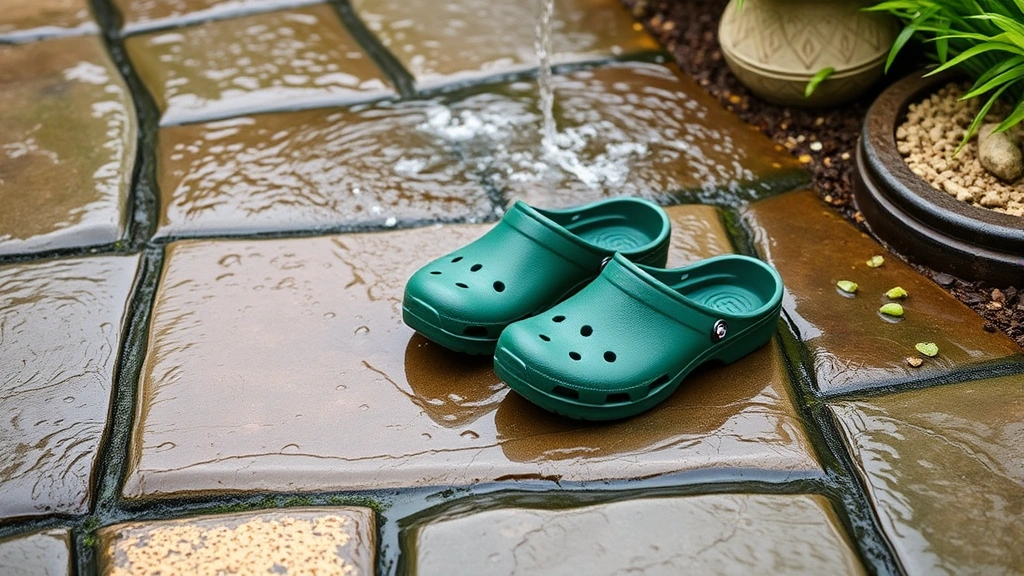
Proper maintenance extends the life of your garden clogs significantly. After each use, rinse them thoroughly with a hose to remove soil and debris. Pay special attention to the sole’s treads, where mud can accumulate and reduce grip. For stubborn dirt, use a soft brush and mild soap solution, then rinse completely.
Allow clogs to air dry naturally away from direct heat sources like radiators or sunlight, which can degrade rubber materials over time. Avoid storing them in sealed containers while damp, as this creates an environment for mold and mildew growth. Instead, store them in a well-ventilated area like a garden shed or garage.
Periodically inspect your clogs for damage. Small cracks in the sole can be repaired with flexible rubber adhesive before they become problematic. Check the insole for compression; if cushioning has flattened significantly, replacement insoles are available for many models. Some gardeners refresh their clogs’ appearance with protective coatings designed for rubber or synthetic materials.
If your clogs develop odors, sprinkle baking soda inside and let them sit overnight to absorb moisture and smell. Alternatively, place them in the freezer for several hours, which kills odor-causing bacteria. For persistent issues, antimicrobial foot powder or specialized clog deodorizer sprays work well.
Budget-Friendly Options Without Sacrificing Quality
You don’t need to spend a fortune on quality garden clogs. Many excellent options exist in the $40-75 range that deliver solid performance. Crocs brand clogs remain popular among gardeners due to their affordability and durability. While not the absolute cheapest option available, they offer excellent value for the investment.
Look for sales at major retailers as seasons change. End-of-season clearance events often feature quality garden clogs at 30-50% discounts. Online gardening retailers frequently offer competitive pricing and seasonal promotions, especially during spring planting season.
Consider purchasing one pair of premium clogs and one affordable backup pair. The premium clogs become your primary option for serious gardening work, while the budget pair handles quick trips to the garden or situations where you might damage expensive footwear. This approach extends the life of your premium investment while keeping costs reasonable.
Many gardeners report that quality garden clogs last 2-3 years with proper care, making the cost-per-use very reasonable. When calculating the investment, remember that proper footwear prevents injuries and foot problems that could cost far more in medical expenses.
FAQ
What’s the difference between garden clogs and regular clogs?
Garden clogs are specifically engineered for outdoor conditions with enhanced drainage, slip-resistant soles, and materials that withstand constant moisture. Regular clogs prioritize indoor comfort and style without the specialized features needed for gardening. Garden clogs feature drainage holes, reinforced construction, and soles designed for wet surfaces—features unnecessary in regular clogs.
Can I wear regular sneakers for gardening instead of clogs?
While possible, it’s not recommended. Regular sneakers absorb water and become heavy, uncomfortable, and unsupportive on uneven garden surfaces. They lack the drainage, traction, and foot protection that garden clogs provide. Wearing inappropriate footwear increases injury risk and reduces your comfort during extended gardening sessions.
How often should I replace my garden clogs?
Quality garden clogs typically last 2-3 years with regular use and proper care. You’ll notice diminished cushioning, worn treads, or visible damage before complete failure. Some gardeners replace insoles before replacing entire clogs, extending their useful life. Heavy professional use may require replacement every 1-2 years.
Are garden clogs appropriate for all foot types?
Most garden clogs work well for average feet, but those with specific conditions like flat feet, high arches, or plantar fasciitis should seek therapeutic options. Many manufacturers now offer specialized clogs with advanced support systems. Trying on several styles helps identify which works best for your individual foot structure.
Can I wear garden clogs year-round?
In moderate climates, yes. However, extremely cold winters may require insulated alternatives, and very hot summers might call for lighter footwear. Most gardeners maintain one pair of standard clogs for spring, summer, and fall, transitioning to insulated boots or specialized winter clogs during cold months.
What’s the best way to prevent odors in garden clogs?
Ensure complete drying between uses by storing in well-ventilated areas. Regular cleaning removes bacteria and organic material that cause odors. Antimicrobial insoles or powder can help. If odors develop, baking soda, freezing, or specialized deodorizer sprays effectively eliminate them. Choose materials with natural antimicrobial properties when possible.
Should I buy clogs online or in-store?
In-store shopping allows you to try on multiple sizes and styles, ensuring proper fit. Online shopping offers greater selection and often better prices. Many gardeners purchase their first pair in-store to establish proper sizing, then buy additional pairs online. Check return policies if buying online to ensure you can exchange if the fit isn’t right.


