Berkshire Botanical Garden: A Visitor’s Guide
Nestled in the picturesque Berkshires region of Massachusetts, the Berkshire Botanical Garden stands as a premier destination for plant enthusiasts, families, and anyone seeking inspiration from nature’s beauty. This 15-acre horticultural haven offers visitors an immersive experience through thoughtfully curated gardens, educational programs, and seasonal displays that celebrate the diversity of plant life. Whether you’re a seasoned gardener looking to expand your knowledge or a beginner just starting your gardening tips for beginners journey, the Berkshire Botanical Garden provides valuable insights and inspiration.
Located in Stockbridge, Massachusetts, this botanical institution has been cultivating plant knowledge and appreciation since its founding. The garden’s mission centers on educating visitors about horticulture, sustainable gardening practices, and the importance of preserving plant biodiversity. With year-round programming, stunning seasonal blooms, and expertly maintained collections, the Berkshire Botanical Garden represents one of New England’s most accessible and welcoming botanical destinations.
Garden Layout and Key Areas
The Berkshire Botanical Garden spans 15 carefully designed acres that showcase various gardening styles and plant communities. The layout guides visitors through distinct zones, each featuring unique horticultural themes and plant groupings. From formal garden spaces to naturalistic plantings, the garden demonstrates how thoughtful design and plant selection can create harmonious outdoor environments.
The main entrance area features the visitor center and gift shop, providing orientation materials and seasonal plantings that set the tone for your visit. Moving through the garden, you’ll encounter the formal beds near the main pathways, showcasing annuals and perennials arranged in classic garden design patterns. These display gardens serve as excellent references for how to prepare garden soil for a thriving garden and choosing complementary plant combinations.
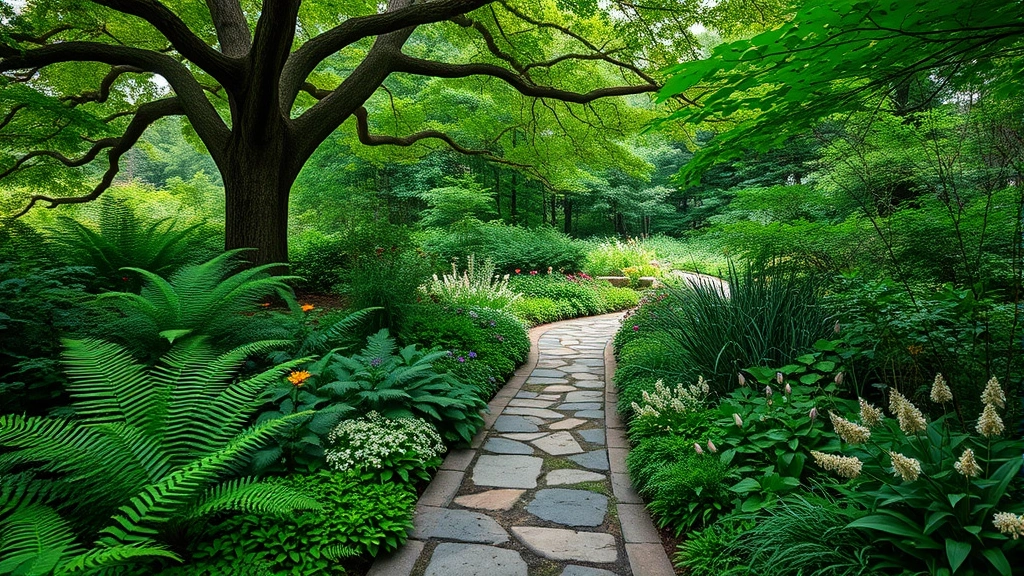
The woodland gardens represent another significant area, featuring shade-tolerant plants, native species, and naturalized bulbs that thrive under tree canopies. This section demonstrates how to create beautiful gardens in challenging light conditions. Winding pathways lead through this serene landscape, offering respite and education about woodland ecology.
Additional specialized areas include the herb garden, which showcases culinary and medicinal plants perfect for creating your own indoor herb garden at home. The vegetable gardens demonstrate productive growing techniques, including seasonal crop rotations and companion planting strategies. Visitors can observe how professional growers manage kitchen gardens and apply these principles to their own properties.

Seasonal Highlights and Best Times to Visit
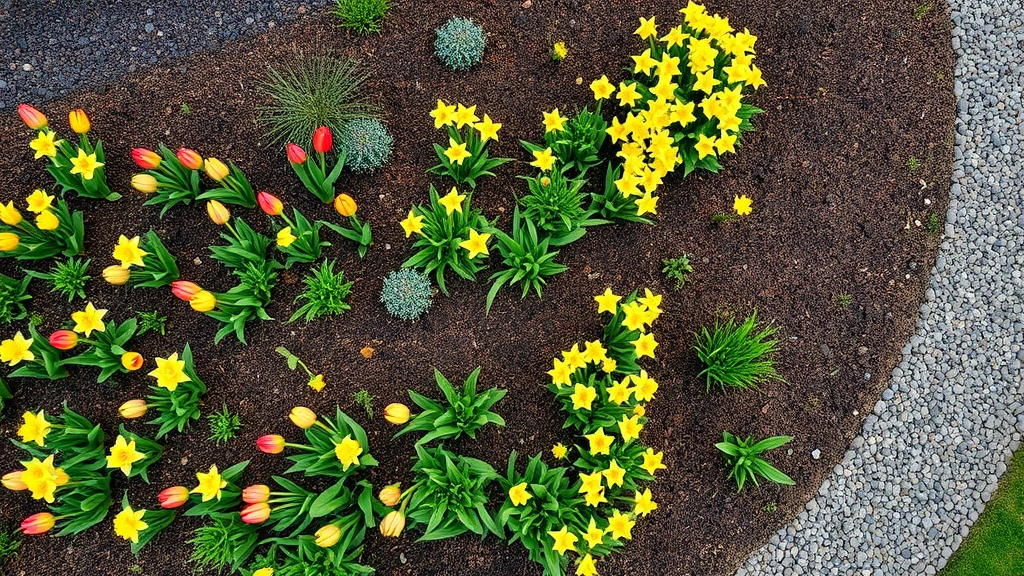
The Berkshire Botanical Garden transforms throughout the year, with each season bringing distinct botanical treasures and horticultural activities. Spring visitors witness the spectacular bloom of thousands of bulbs, including tulips, daffodils, and hyacinths. These spring displays provide inspiration for how to grow pumpkin plants and other seasonal vegetables in the productive garden areas.
Late spring and early summer showcase the garden’s extensive rose collections and perennial borders in full bloom. The fragrant rose gardens attract pollinators and provide spectacular photo opportunities. Summer months feature lush foliage, vibrant annual displays, and the peak of herbaceous plant growth. Educational workshops proliferate during this season, covering topics like pruning techniques, pest management, and sustainable landscaping.
Autumn brings dramatic color transformations as deciduous trees and shrubs display their fall foliage. The garden’s landscape design ensures continuous color interest through carefully selected plants with extended seasonal appeal. Fall plantings of mums, ornamental grasses, and late-blooming perennials maintain visual interest as the growing season winds down.
Winter, while quieter in terms of flowering, reveals the garden’s structural design and evergreen plantings. Winter-interest plants, including variegated shrubs, berry-producing species, and ornamental bark specimens, provide color and texture. The garden offers a peaceful winter retreat and opportunities to plan next season’s garden improvements.
Educational Programs and Workshops
The Berkshire Botanical Garden’s educational mission drives an extensive programming calendar featuring expert-led workshops, demonstrations, and lectures. These programs cover fundamental topics for beginners through advanced horticultural techniques for experienced gardeners. Workshop topics align with seasonal activities, ensuring practical, timely information applicable to visitors’ own gardens.
Spring workshops emphasize soil preparation, seed starting, and transplanting techniques. Summer programs focus on maintenance, pest and disease management, and propagation methods. Fall workshops address seasonal planting, bulb selection, and winter preparation. Winter sessions often feature indoor gardening, garden planning, and design consultation.
Master gardener volunteers and horticultural professionals lead many programs, bringing extensive knowledge and practical experience. Visitors benefit from direct interaction with experts who can answer specific questions about their home gardens. Many programs offer continuing education credits for master gardener programs and professional horticulturists.
The garden also hosts specialized events including plant sales, garden symposiums, and seasonal festivals. These events provide opportunities to purchase unique plants, connect with other gardening enthusiasts, and deepen your horticultural knowledge. The popular spring plant sale features greenhouse-grown specimens and rare cultivars unavailable at typical garden centers.
Collections and Plant Displays
The Berkshire Botanical Garden maintains impressive collections representing diverse plant families and geographic origins. The perennial borders showcase hundreds of cultivars, demonstrating how to combine plants with varying bloom times, heights, and cultural requirements for extended seasonal interest. These living textbooks illustrate fundamental design principles applicable to residential gardens.
The annual gardens burst with color from late spring through fall frost. These displays demonstrate how annual flowers create bold visual statements and how proper spacing, watering, and deadheading maintain continuous blooms. The garden’s annual displays serve as inspiration for creating dramatic color schemes in home gardens.
Specialty collections include heritage vegetables, native plants, shade-tolerant species, and drought-tolerant specimens. The native plant garden educates visitors about local flora and demonstrates how to incorporate regional species into landscape designs. These plantings support local wildlife, including pollinators and birds, creating ecologically valuable gardens.
The fruit and vegetable gardens showcase productive growing techniques, including raised beds, succession planting, and crop rotation. Visitors observe how professional growers optimize yields while maintaining soil health and sustainability. These demonstration gardens prove invaluable for anyone interested in vertical garden systems and space-efficient food production.
Visitor Amenities and Services
The Berkshire Botanical Garden provides comprehensive visitor amenities ensuring comfortable, accessible experiences for all guests. The visitor center offers climate-controlled space, restrooms, and informational resources. Staff members provide garden maps, answer questions, and offer personalized recommendations based on visitor interests and experience levels.
The gift shop features gardening books, supplies, and plants propagated from the garden’s collections. These items make excellent souvenirs and practical tools for implementing lessons learned during your visit. The bookstore emphasizes horticultural education, offering titles covering everything from basic garden tool selection to advanced landscape design.
Picnic areas and benches throughout the garden provide spots for relaxation and contemplation. These spaces encourage visitors to slow down, observe plants closely, and sketch designs for their own gardens. The peaceful atmosphere supports both learning and mental wellness benefits associated with time in nature.
The garden accommodates visitors with mobility challenges through accessible pathways and seating areas. Guided tours cater to various interests and physical abilities, ensuring everyone can experience the garden’s horticultural treasures. Group visits receive special attention, with educators tailoring programs to student age and educational objectives.
Sustainable Gardening Practices
The Berkshire Botanical Garden demonstrates sustainable gardening principles throughout its operations and displays. The garden minimizes chemical inputs, emphasizing integrated pest management and cultural controls. Visitors observe how healthy plants, proper spacing, and beneficial insect habitat reduce pest pressure without synthetic pesticides.
Water conservation receives significant emphasis, with the garden showcasing drought-tolerant plants and efficient irrigation techniques. Rainwater harvesting systems and mulching practices demonstrate how to reduce water consumption while maintaining plant health. These sustainable approaches prove particularly valuable in regions experiencing periodic drought stress.
Composting and soil amendment practices receive educational attention, highlighting how to build soil health organically. The garden’s rich soil results from years of compost incorporation and organic matter additions, visible in vigorous plant growth and abundant beneficial soil organisms. Visitors learn how to replicate these practices in their home gardens.
The garden’s plant selection emphasizes native species and regionally adapted cultivars requiring minimal inputs once established. By showcasing plants suited to local climate and soil conditions, the garden demonstrates how to create resilient landscapes that thrive with reduced maintenance, water, and fertilizer requirements.
Planning Your Visit
Successful Berkshire Botanical Garden visits require minimal planning but benefit from advance consideration. Check the website for current hours, admission fees, and special events before your visit. The garden maintains seasonal hours, with expanded access during peak growing seasons and limited hours during winter months.
Dress appropriately for outdoor exploration, wearing comfortable walking shoes and sun protection. Bring a camera, notebook, and pen for sketching garden designs and recording plant names and combinations. Many visitors find mobile photography valuable for documenting ideas to implement at home.
Plan your visit duration based on your interests and pace. Casual visitors typically spend two to three hours exploring the main gardens and attending brief demonstrations. More serious gardeners may spend full days, attending workshops and studying specific plant collections in detail.
Consider visiting during different seasons to observe seasonal transformations and year-round horticultural opportunities. Spring and early summer attract peak crowds, while fall and winter offer quieter experiences with equally beautiful seasonal displays. Multiple visits throughout the year provide comprehensive understanding of garden management and seasonal plant performance.
The garden’s location in the Berkshires offers opportunities to combine your visit with other regional attractions. Nearby hiking, cultural institutions, and dining options make the Berkshire Botanical Garden an excellent component of a broader regional exploration.
FAQ
What are the Berkshire Botanical Garden’s admission costs?
Admission fees vary by season and visitor category. The garden offers discounted rates for seniors, students, and children, with free admission for members and very young children. Check the official website for current pricing and special promotions.
Can I bring children to the Berkshire Botanical Garden?
Absolutely. The garden welcomes families and offers age-appropriate educational programs and activities. Children enjoy exploring the diverse gardens, observing wildlife, and learning about plants in outdoor classroom settings. Family memberships provide excellent value for frequent visits.
Are dogs allowed in the garden?
Leashed dogs are generally permitted in outdoor garden areas. However, policies may vary seasonally and during special events. Contact the garden directly to confirm current pet policies before your visit.
How long does a typical visit last?
Visit duration varies based on interests and pace. Casual visitors typically spend two to three hours, while gardening enthusiasts may spend entire days attending workshops and studying collections. Self-guided tours can be completed in one to two hours.
Does the garden offer workshops year-round?
Programming is most extensive during growing seasons (spring through fall), with reduced offerings during winter. However, winter workshops covering indoor gardening, garden planning, and design consultation continue the educational mission throughout the year.
Can I purchase plants at the Berkshire Botanical Garden?
Yes. The garden shop offers plants, seeds, and gardening supplies. The popular spring plant sale features specialty plants and cultivars. Plants propagated from the garden’s collections make unique, locally-adapted selections for home gardens.
Is the garden accessible for visitors with mobility challenges?
The garden provides accessible pathways, parking, and facilities. Guided tours accommodate various mobility levels, and staff can provide information about specific accessibility features. Contact the garden in advance if you have particular accessibility requirements.
What external resources complement my Berkshire Botanical Garden visit?
The Cooperative Extension System offers free gardening advice and educational resources. The American Horticultural Society provides comprehensive gardening information and connects enthusiasts with local resources. The USDA Plant Database helps identify plants and understand their growing requirements. Your local Master Gardener Program offers personalized gardening advice and connects you with local horticultural expertise. The New York Botanical Garden provides additional New England region gardening resources and inspiration.


