How to Grow Badlands Peppers: Complete Expert Gardening Guide
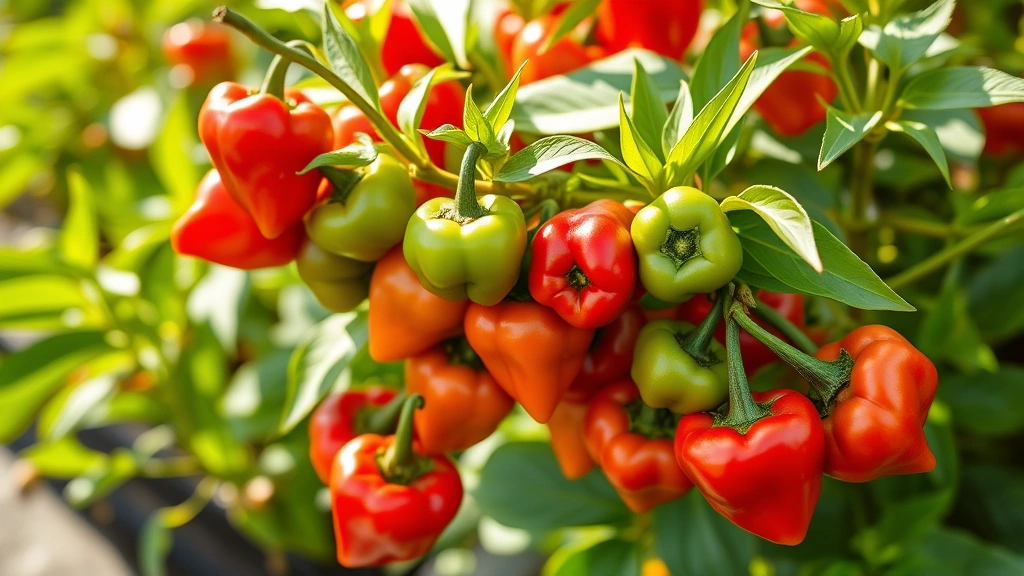
Badlands peppers are a prized ornamental and culinary variety that brings vibrant color and moderate heat to any garden. These striking plants produce abundant cone-shaped fruits that mature from green to brilliant red, making them as beautiful as they are flavorful. Whether you’re a seasoned gardener or just starting your pepper-growing journey, Badlands peppers offer reliable performance and impressive yields when given proper care.
Growing Badlands peppers successfully requires understanding their specific needs: warm soil, consistent moisture, and adequate sunlight. These peppers thrive in warm climates but can be cultivated in cooler regions through strategic timing and protective measures. This comprehensive guide covers everything from seed starting to harvest, ensuring you achieve thriving plants loaded with gorgeous fruits.
Understanding Badlands Pepper Varieties
Badlands peppers belong to the ornamental pepper category, though they deliver genuine culinary value alongside their visual appeal. These compact plants typically reach 12-18 inches tall, making them ideal for container growing or garden borders. The variety was developed to produce prolific fruiting with peppers that ripen through multiple color stages, creating a stunning rainbow effect on mature plants.
The heat level of Badlands peppers ranges from 30,000-50,000 Scoville Heat Units (SHU), placing them in the jalapeño to cayenne range. This moderate heat makes them suitable for various culinary applications without overwhelming sensitive palates. The flavor profile combines fruity undertones with a pleasant burn, making them excellent for fresh eating, drying, or processing into sauces.
One distinctive characteristic is their ability to produce fruits continuously throughout the growing season. A single mature plant can yield 40-60 peppers, with some exceptional specimens producing even more. This prolific nature makes Badlands peppers economical for home gardeners seeking substantial harvests from limited space.
When selecting Badlands pepper seeds or seedlings, choose reputable suppliers. Seeds should be stored in cool, dry conditions until planting. If purchasing transplants, select stocky, green plants without flowers or fruit already developing, as these will establish better in your garden.

Starting Seeds Indoors
Starting Badlands pepper seeds indoors gives you a significant head start, especially in regions with shorter growing seasons. Begin your seed-starting process 8-10 weeks before your last spring frost date. This timing ensures mature transplants ready for outdoor planting once soil temperatures reach 60°F consistently.
Fill seed-starting trays with high-quality seed-starting mix, which provides excellent drainage while retaining necessary moisture. Moisten the mix thoroughly before filling containers to ensure even hydration. Plant seeds approximately ¼ inch deep, placing 2-3 seeds per cell to account for germination variability. Cover trays with humidity domes or plastic wrap to maintain moisture during germination.
Badlands pepper seeds germinate best at temperatures between 70-85°F. Use bottom heat with a seedling heat mat if your indoor environment runs cooler. Germination typically occurs within 7-14 days. Once seedlings emerge, remove humidity covers immediately and provide bright light for 14-16 hours daily using grow lights positioned 2-3 inches above seedlings.
When seedlings develop their first true leaves, thin to one strong plant per cell by carefully removing weaker specimens. Water consistently to maintain moist but not waterlogged soil. Begin fertilizing with half-strength liquid fertilizer every two weeks once true leaves appear. Gradually acclimate seedlings to outdoor conditions through hardening off, exposing them to outdoor temperatures for increasing periods over 7-10 days before transplanting.
Preparing Your Garden Soil
Badlands peppers demand well-draining, nutrient-rich soil with a pH between 6.0-6.8. Before planting, conduct a soil test through your local cooperative extension to determine existing nutrient levels and pH. This information guides your amendment strategy, ensuring optimal growing conditions.
Follow our comprehensive guide on how to prepare garden soil for a thriving garden to establish the best foundation. Work 2-3 inches of well-aged compost or aged manure into the top 8-10 inches of soil. This organic matter improves drainage, increases nutrient availability, and enhances beneficial microbial activity.
If your soil tends toward clay, incorporate coarse sand or perlite to improve drainage—peppers suffer in waterlogged conditions. Conversely, sandy soils benefit from additional organic matter to increase water retention. Raised beds filled with premium garden soil mixed with compost offer an excellent solution for problematic native soils.
Add balanced fertilizer according to soil test recommendations, or use a general-purpose formula like 10-10-10. Mix amendments thoroughly, then allow soil to settle for at least one week before transplanting. This resting period allows organic matter to integrate fully and microbial populations to establish.
Transplanting and Outdoor Care
Transplant hardened-off seedlings outdoors once nighttime temperatures consistently stay above 50°F and all frost danger passes. Space plants 12-18 inches apart in rows 24-30 inches apart, accounting for mature plant width and air circulation needs. Adequate spacing prevents fungal diseases and allows easy harvesting.
Dig planting holes slightly larger than root balls. Gently remove seedlings from containers and loosen root-bound soil by carefully teasing roots apart. Plant at the same depth they occupied in containers—don’t bury stems deeper, as this invites rot. Water thoroughly after transplanting to eliminate air pockets and settle soil.
Badlands peppers require full sun, meaning 6-8 hours of direct sunlight daily, though 8+ hours produces optimal flowering and fruiting. In extremely hot climates, afternoon shade during peak summer heat (above 95°F) prevents fruit scalding and reduces plant stress.
Consider using row covers or shade cloth during the first 1-2 weeks after transplanting to reduce transplant shock. Remove covers once plants establish and begin new growth. Mulch around plants with 2-3 inches of organic mulch, keeping it several inches away from stems to prevent rot. Mulch moderates soil temperature, conserves moisture, and suppresses weeds.
Watering and Fertilizing Requirements
Consistent moisture is critical for Badlands pepper success. These plants require approximately 1-1.5 inches of water weekly through rainfall or irrigation. During hot, dry periods, increase frequency to maintain even soil moisture. Water deeply and less frequently rather than shallow, frequent watering, which encourages deep root development.
Water at soil level in early morning to minimize disease pressure. Wet foliage creates conditions favoring fungal and bacterial problems. Drip irrigation or soaker hoses deliver water directly to soil, maximizing efficiency and plant health. Check soil moisture by inserting your finger 2 inches deep—water when this layer feels dry.
Fertilize every 3-4 weeks with balanced fertilizer once plants flower and begin fruiting. Switch to slightly higher phosphorus and potassium formulations (like 5-10-10) to promote flowering and fruit development. Excessive nitrogen encourages leafy growth at the expense of fruiting. Container-grown plants require more frequent fertilization—every 2-3 weeks—due to nutrient leaching through drainage.
Consider using indoor gardening techniques for container cultivation, which allows precise control over nutrients and moisture. Organic options like fish emulsion or seaweed extract provide nutrients while improving soil biology. Follow label instructions carefully to avoid over-fertilizing, which stresses plants and attracts pests.
Calcium deficiency, manifesting as blossom-end rot on developing fruits, occurs when watering is inconsistent. Maintain even moisture to prevent this disorder. If it appears, mulch more heavily to conserve moisture and ensure consistent watering schedules.
Managing Pests and Diseases
Badlands peppers attract several common garden pests including aphids, spider mites, and whiteflies. Monitor plants weekly for pest populations, checking leaf undersides where many pests hide. Early detection enables effective management before populations explode.
For minor infestations, spray plants with strong water streams to dislodge pests, or apply insecticidal soap following label directions. Neem oil provides organic control for persistent problems but requires repeated applications every 7-10 days. Introduce beneficial insects like ladybugs and parasitic wasps by planting flowering plants nearby. Learn more about integrated pest management through Oregon State University Extension Service.
Fungal diseases like powdery mildew and anthracnose develop in warm, humid conditions with poor air circulation. Ensure adequate spacing, prune lower leaves to improve airflow, and water at soil level only. Remove affected leaves promptly and dispose in trash (not compost). Sulfur dust or fungicidal sprays manage severe infections, applied according to label directions.
Bacterial spot causes small, dark lesions on leaves and fruits. No cure exists, so focus on prevention: use disease-resistant varieties when available, avoid overhead watering, and sanitize tools between plants. Remove and destroy heavily infected plants to prevent spread.
Proper pruning with quality garden shears maintains plant health and productivity. Pinch out growing tips when plants reach 6-8 inches tall to encourage bushier growth. Remove dead leaves, damaged branches, and flowers that appear before mid-summer to redirect energy toward later, productive flowering.
Harvesting and Storage
Badlands peppers begin producing fruit 60-90 days after transplanting, depending on growing conditions. Harvest peppers at any stage—green fruits offer crisp, grassy flavors, while fully red peppers develop sweeter, more complex tastes. Mature red peppers contain significantly more vitamin C and antioxidants than green stages.
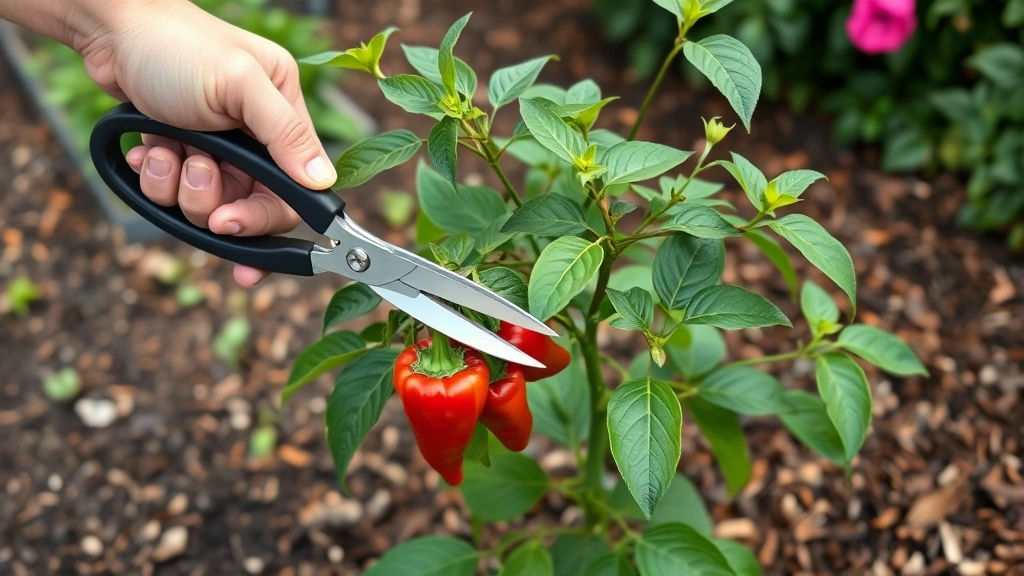
Pick peppers using clean pruners or scissors rather than pulling, which can damage branches. Harvesting regularly encourages continued flowering and fruiting throughout the season. Leave ½-inch stems attached to peppers to extend storage life.
Store fresh peppers in refrigerator crisper drawers at 45-50°F for up to two weeks. For longer storage, freeze whole peppers on baking sheets, then transfer to freezer bags for 6-12 months. Alternatively, dry peppers by hanging bundles in warm, well-ventilated areas until completely desiccated, then store in airtight containers.
To preserve Badlands peppers as sauces or pastes, roast peppers over open flame or in oven at 450°F until skins char completely. Cool in sealed containers, then peel away charred skin. Process roasted peppers with garlic, vinegar, and salt through a food mill or blender, then freeze in ice cube trays for convenient portions.
As growing season ends and first frost approaches, cut mature pepper plants at soil level and hang upside-down in a cool, dry location. Fruits continue ripening off the plant over several weeks, providing extended harvest. This technique maximizes yield from each plant.
FAQ
How long does it take to grow Badlands peppers from seed to harvest?
Total time from seed to first harvest typically spans 120-150 days. This includes 8-10 weeks for indoor seed starting, 1-2 weeks for transplant hardening and adjustment, and 60-90 days from transplanting to first flowering and fruit development. Exact timing varies by climate, light availability, and growing conditions.
Can I grow Badlands peppers in containers?
Absolutely. Their compact size makes them ideal for container cultivation. Use containers at least 5-gallon capacity with drainage holes. Fill with premium potting mix, not garden soil, which compacts in containers. Container plants require more frequent watering and fertilizing but offer flexibility for moving plants to optimal light or protecting from extreme weather.
What temperature range do Badlands peppers prefer?
Badlands peppers thrive between 70-85°F during day and 60-70°F at night. They tolerate temperatures down to 50°F but suffer growth slowdown. Temperatures above 90°F for extended periods reduce fruit set and cause flower drop. In hot climates, afternoon shade and consistent moisture reduce heat stress.
Why are my Badlands pepper plants flowering but not producing fruit?
Several factors cause flower drop without fruit set: inconsistent watering, excessive nitrogen fertilizer, temperature extremes, or inadequate pollination. Ensure even soil moisture, use balanced or phosphorus-rich fertilizer, and provide adequate sunlight. Hand-pollinate flowers by gently shaking plants during midday to improve pollination success.
How do I know when Badlands peppers are ready to harvest?
Peppers are harvestable at green stage when fully sized (approximately 2-3 inches long). For maximum flavor and nutrition, wait until peppers turn fully red, which takes additional 2-3 weeks. Ripe peppers feel firm and have glossy skin. Harvest regularly to encourage continued production throughout the season.
Can I save seeds from my Badlands peppers?
Yes, but only from open-pollinated Badlands varieties. Hybrid varieties won’t produce true-to-type offspring. Allow fully mature red peppers to remain on plants until they become soft. Extract seeds, rinse thoroughly, and dry completely on paper towels in a warm location for 2-3 weeks. Store dried seeds in cool, dry conditions for 3-4 years viability.
Are Badlands peppers perennial?
In frost-free climates (zones 10-11), Badlands peppers can overwinter and produce for multiple seasons. In cooler zones, treat them as annuals. At season’s end, cut plants back severely, move containers indoors to bright, cool locations, and reduce watering. Some growers successfully regrow cut plants the following spring.
What’s the difference between ornamental and culinary Badlands peppers?
Badlands peppers blur the line between ornamental and culinary varieties. They’re fully edible and flavorful while producing stunning visual displays. Some pepper varieties are purely ornamental with inedible or extremely hot fruits. Badlands offer genuine culinary value with beautiful presentation—the best of both worlds.


