
Avant Garde Gardening: Innovative Tips & Tricks for Modern Growers
Avant garde gardening represents a bold departure from traditional horticultural practices, embracing experimentation, unconventional techniques, and cutting-edge methods to transform outdoor spaces into living laboratories of creativity. This innovative approach combines artistic vision with practical plant science, challenging gardeners to think beyond conventional wisdom and explore new possibilities for growing food, flowers, and ornamental plants. Whether you’re a seasoned gardener seeking fresh inspiration or a curious beginner ready to embrace experimental cultivation, avant garde techniques can elevate your gardening experience to extraordinary levels.
The beauty of avant garde gardening lies in its flexibility and inclusivity—there’s no single right way to garden when you’re willing to experiment. From vertical growing systems to hydroponic innovations, from companion planting strategies to unconventional container choices, modern gardeners have unprecedented access to techniques that maximize yield, minimize space, and create stunning visual displays. This comprehensive guide explores the most exciting and practical avant garde gardening methods, helping you discover which innovative approaches align with your gardening goals and growing conditions.
Vertical Gardening Systems and Living Walls
Vertical gardening represents one of the most visually striking and space-efficient avant garde approaches, transforming walls, fences, and structures into productive growing surfaces. By orienting plants upward rather than outward, you can dramatically increase your growing capacity while creating dramatic focal points in your landscape. This technique proves especially valuable for urban gardeners, balcony enthusiasts, and anyone working with limited square footage.
The foundation of successful vertical gardening begins with selecting the right support structure. Wall-mounted pocket systems, tiered shelving, trellis frameworks, and living wall panels all offer distinct advantages depending on your space, budget, and aesthetic preferences. When installing vertical gardens, ensure adequate drainage to prevent water from cascading onto lower levels uncontrollably. Consider installing drip irrigation systems at the top of vertical installations, allowing gravity to distribute water efficiently while minimizing waste.
Plant selection proves critical for vertical success—lightweight trailing varieties, shallow-rooted plants, and drought-tolerant species generally perform better than heavy, deep-rooted specimens. Succulents, strawberries, lettuce, herbs, and ornamental vines thrive in vertical systems. When establishing a living wall, start with hardy, forgiving plants while you perfect your watering and maintenance routines. As your confidence grows, experiment with more demanding species and intricate color combinations.

Hydroponic and Soilless Growing Methods
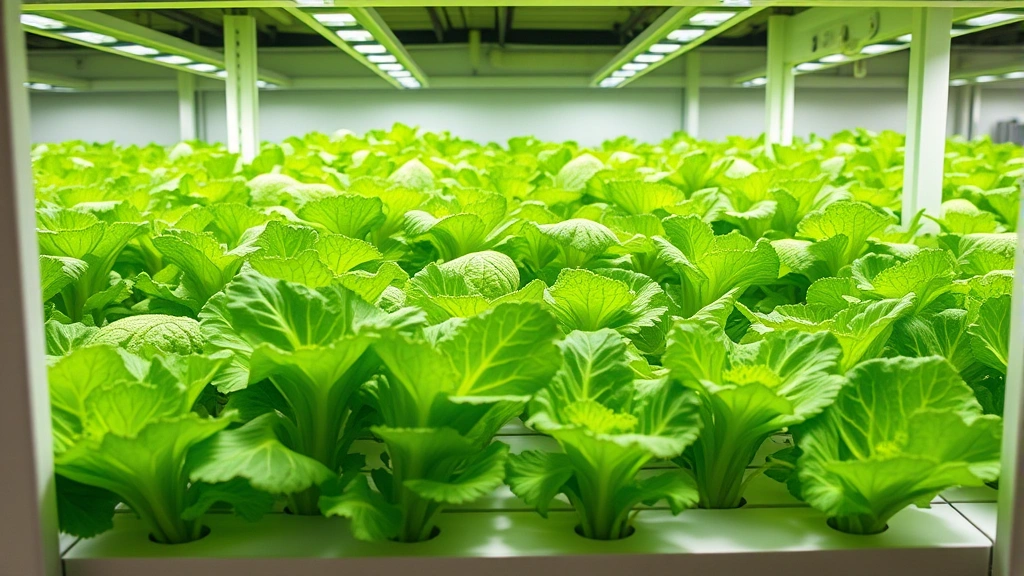
Hydroponics and aquaponics represent revolutionary approaches to cultivation, eliminating soil entirely in favor of nutrient-enriched water solutions. These avant garde systems deliver nutrients directly to plant roots while using significantly less water than traditional soil gardening—up to 90% less in many cases. For gardeners interested in year-round production, maximum control over growing conditions, and sustainable practices, soilless methods offer compelling advantages.
Deep water culture systems provide an excellent entry point for hydroponic beginners, requiring minimal equipment and investment. Plants sit in net pots suspended above nutrient solution, with roots dangling directly into the water. This simple setup works remarkably well for leafy greens, herbs, and lightweight vegetables. Nutrient film technique (NFT) systems circulate a thin film of nutrient solution across sloped channels, reducing water requirements while maintaining consistent nutrient delivery.
Before committing to hydroponic systems, invest time in understanding soil preparation fundamentals for comparison, as this knowledge enriches your understanding of plant nutrition. Hydroponic success depends on maintaining proper pH levels (typically 5.5-6.5), monitoring electrical conductivity to ensure adequate nutrient concentration, and performing regular water quality checks. Consider starting with beginner-friendly systems before graduating to more complex setups requiring sophisticated monitoring equipment.
Container Innovation and Upcycled Planters
Avant garde gardeners embrace creative container solutions that transcend traditional terracotta pots, transforming unexpected vessels into productive growing spaces. Upcycled containers—old barrels, wooden crates, buckets, bathtubs, and repurposed furniture—add character while reducing waste and lowering gardening costs. This innovative approach proves especially appealing to environmentally conscious growers seeking to minimize their ecological footprint.
When selecting unconventional containers, prioritize drainage above all else. Any vessel lacking drainage holes requires modification—drilling, puncturing, or adding a false bottom with gravel and activated charcoal to prevent root rot. Consider container material carefully, as certain plastics may leach chemicals into soil, while metal containers can heat excessively in direct sun. Wood offers excellent insulation but requires treatment to prevent rot; untreated cedar and redwood provide natural durability without chemical concerns.
Size matters significantly when container gardening. Larger containers maintain more stable moisture and temperature levels, reducing daily maintenance requirements. As a general rule, vegetables require minimum 12-18 inches of soil depth, while herbs tolerate shallower conditions. Container-grown blueberries exemplify how innovative container selection can enable previously impossible growing scenarios. Experiment with mixed plantings, combining trailing plants with upright varieties to create visually interesting compositions.
Companion Planting for Maximum Synergy
Companion planting elevates gardening from simple plant placement to sophisticated ecological design, leveraging plant relationships to boost growth, deter pests, and enhance flavor profiles. This avant garde approach recognizes that plants don’t exist in isolation—they communicate through root exudates, attract beneficial insects, and provide mutual support when thoughtfully arranged.
Classic companion combinations have proven their worth across centuries of gardening. The Three Sisters—corn, beans, and squash—demonstrate perfect synergy: corn provides structural support for climbing beans, beans fix atmospheric nitrogen enriching soil for heavy-feeding squash, while squash leaves shade soil and suppress weeds. Basil planted near tomatoes repels pests while allegedly improving flavor. Marigolds deter harmful insects while attracting pollinators, making them valuable throughout any garden.
When designing companion plantings, consider plant heights, root depths, and nutrient requirements to minimize competition. Fast-growing lettuce occupies space between slower-developing brassicas, maximizing productivity. Deep-rooted plants like tomatoes complement shallow-rooted lettuce, each accessing different soil layers. Easy vegetables for beginners pair exceptionally well with companion plants that reduce pest pressure and support growth. Understanding these relationships transforms gardening from solitary plant cultivation into orchestrated ecological performance.
Create a companion planting map before each season, documenting which plants performed well together and which combinations underperformed. This personalized reference guide becomes invaluable, allowing you to refine your approach continuously based on actual results rather than generic recommendations.
Microgreens and Sprout Cultivation
Microgreens represent the ultimate avant garde approach to food production—nutrient-dense, quick-growing crops harvested at seedling stage, delivering exceptional nutrition in minimal space and time. Unlike sprouts, which require only water and containers, microgreens need growing medium and light, producing more substantial yields with superior nutritional profiles. A single shelf can produce pounds of microgreens weekly, making this technique ideal for apartment dwellers and year-round growers.
Growing microgreens requires minimal equipment: shallow trays, quality growing medium, seeds, and light source. Distribute seeds densely across moist growing medium, provide consistent moisture, and expose seedlings to light once they germinate. Most microgreens reach harvest stage within 7-14 days, requiring only basic maintenance. Radish, broccoli, mustard, and sunflower microgreens deliver intense flavors and impressive nutritional content, while lettuce and pea microgreens offer milder profiles suitable for broader applications.
Sprout cultivation demands even less infrastructure—glass jars, cheesecloth, and water suffice for growing alfalfa, mung bean, and lentil sprouts. Proper drainage and air circulation prevent mold and bacterial issues; rinse sprouts 2-3 times daily, maintaining moisture without waterlogging. Both microgreens and sprouts provide fresh, nutrient-dense foods year-round, regardless of outdoor growing conditions or seasonal limitations.
Polyculture and Permaculture Principles
Polyculture gardening abandons monoculture traditions in favor of diverse, mixed plantings that mimic natural ecosystems. This avant garde approach increases resilience, reduces pest outbreaks, and creates more interesting visual landscapes. Rather than dedicating garden sections to single crops, polyculture systems integrate multiple plant species with complementary needs and growth patterns.
Permaculture principles guide polyculture design, emphasizing observation, resource efficiency, and long-term sustainability. Start by understanding your site’s microclimates, water patterns, and existing vegetation. Design plantings that require minimal external inputs once established, allowing natural processes to maintain productivity. Incorporate perennial plants, nitrogen-fixing species, and deep-rooted plants that improve soil structure and nutrient availability for annual crops.
Forest gardens exemplify advanced polyculture, layering plants at different heights from canopy trees down to ground covers and root crops. This multi-story approach maximizes space utilization while creating diverse habitats supporting beneficial insects and wildlife. Even small-space gardeners can implement polyculture principles by mixing vegetables, herbs, flowers, and structural plants in thoughtfully designed beds. Check out our herb garden guide for insights into integrating culinary plants throughout your landscape.
Seasonal Succession Planning
Avant garde gardeners master sequential planting, ensuring continuous harvests throughout growing seasons by replacing spent crops with new plantings. This sophisticated scheduling approach maximizes yield from limited space while maintaining soil health through strategic crop rotation.
Begin succession planning by documenting your first and last frost dates, calculating how many crops each vegetable variety can produce within your growing season. Quick-maturing varieties like radishes, lettuce, and beans allow multiple plantings. Schedule plantings every 2-3 weeks during optimal growing periods, ensuring staggered maturity dates that extend harvest windows. As spring crops finish, immediately transplant summer varieties into vacated space.
Cool-season crops planted in late summer extend production into fall, capitalizing on declining temperatures that favor brassicas, root vegetables, and leafy greens. This three-season approach—spring, summer, and fall crops—dramatically increases annual productivity. Maintain detailed records of planting dates, varieties, and harvest windows to refine your succession schedule annually.
Biointensive Growing Techniques
Biointensive gardening combines multiple avant garde techniques into a comprehensive system designed to maximize productivity in minimal space while building soil fertility. Developed through decades of research, biointensive methods prove especially valuable for urban gardeners and those committed to sustainable, chemical-free production.
The foundation of biointensive gardening involves deep soil preparation—at least 24 inches—loosening compacted layers and incorporating abundant organic matter. This investment in soil structure dramatically improves root development, water retention, and nutrient availability. Raised beds, often 4 feet wide to allow comfortable access from both sides, contain double-dug soil enriched with compost and aged manure.
Close spacing, enabled by intensive soil preparation, allows vegetables to grow closer together than conventional recommendations suggest. Mature plant leaves eventually touch, creating a living mulch that suppresses weeds and moderates soil temperature. This dense planting, combined with succession planting and companion planting strategies, allows a single raised bed to produce yields rivaling much larger conventional gardens.
Water management in biointensive systems emphasizes efficiency—drip irrigation or soaker hoses deliver water directly to soil, minimizing waste and reducing disease pressure from wet foliage. Mulching with compost or aged manure retains moisture while gradually improving soil fertility. This integrated approach transforms gardening into a highly productive, sustainable practice.
Consider visiting a Master Gardener Program in your area to learn biointensive techniques from experienced local practitioners. Many regions offer American Horticultural Society resources and workshops exploring innovative growing methods.
FAQ
What is avant garde gardening?
Avant garde gardening embraces innovative, experimental approaches to cultivation, moving beyond traditional methods to incorporate vertical systems, hydroponics, companion planting, and other cutting-edge techniques. It prioritizes creativity, sustainability, and maximizing productivity through unconventional strategies.
Can beginners succeed with avant garde methods?
Absolutely! Start with accessible techniques like easy vegetables for beginners paired with companion planting or simple vertical systems. Gradually progress to more complex methods like hydroponics as your confidence grows.
Do avant garde methods cost more than traditional gardening?
Not necessarily. Upcycled containers, companion planting, and succession planning cost little to nothing. Hydroponic systems require initial investment, but long-term water savings and increased yields often offset startup expenses. Start small and expand gradually.
Which avant garde technique works best for small spaces?
Vertical gardening, microgreens cultivation, and container gardening excel in limited space. Combining these approaches with succession planting maximizes productivity in apartments, balconies, or small yards.
How do I start with hydroponics?
Begin with simple deep water culture systems using mason jars or small containers. Grow lettuce, herbs, or leafy greens while learning proper nutrient management. Graduate to more complex systems once comfortable with basic principles.
What plants work best in vertical gardens?
Herbs, lettuce, strawberries, trailing succulents, and ornamental vines thrive vertically. Avoid heavy plants requiring deep soil, and prioritize shallow-rooted species that don’t require extensive vertical depth.
How often should I succession plant?
Plant quick-maturing crops every 2-3 weeks during prime growing seasons. Adjust frequency based on your specific varieties—check seed packets for days to maturity and plan accordingly.
Can I combine avant garde methods?
Yes! Mixing techniques amplifies results. Companion planting in vertical systems, succession planting with biointensive methods, or companion plantings supporting microgreens all create powerful synergies.
Where can I learn more about innovative gardening?
Explore resources from University of Maryland Extension, consult USDA Plant Hardiness Zone Database for variety recommendations, and visit local botanical gardens for inspiration and hands-on learning opportunities.


