
A 2 storey garden shed transforms your outdoor space into a multifunctional powerhouse, offering double the storage capacity without consuming extra ground space. Whether you’re a serious gardener needing climate-controlled propagation areas, a DIY enthusiast requiring dedicated workshop space, or simply someone drowning in garden tools and seasonal decorations, a two-level shed provides the perfect solution. This comprehensive guide walks you through every step of building your own, from initial planning and foundation work to finishing touches that will make your shed the envy of the neighborhood.
Building a two-storey structure requires more planning than a single-level shed, but the rewards justify the effort. You’ll gain vertical storage efficiency, create separate zones for different purposes, and add significant value to your property. The upper level can serve as a serene potting station or storage area for delicate plants, while the ground floor handles heavy equipment and bulk materials. Let’s explore how to transform your gardening dreams into a sturdy, functional structure that will serve your needs for decades.
Planning Your Two-Storey Garden Shed
Before you purchase a single board, invest time in comprehensive planning. Start by determining your exact needs and how you’ll use each level. Will your upper floor be a herb garden space or a potting station? Should the ground level accommodate your lawn mower, or do you need workshop capacity? Sketch a rough layout showing how traffic will flow between levels and where you’ll position windows and doors.
Check local building codes and zoning regulations before proceeding. Many municipalities require permits for structures over a certain size or height, and setback requirements from property lines vary by location. Contact your local building department to understand regulations regarding foundation requirements, roof pitch, wind load specifications, and material restrictions. Some areas impose height limitations that might affect your two-storey design.
Create detailed plans with measurements. Standard dimensions for a two-storey shed typically range from 8×10 feet to 12×16 feet, with each level standing 8-9 feet tall. Sketch elevation views showing the front, sides, and back, including door and window placements. Calculate the total square footage and material quantities needed. A helpful resource is the USDA Forest Service, which offers guidance on wood selection and structural considerations for outdoor buildings.
Budget appropriately for your project. A basic 8×10 two-storey shed typically costs $2,500-$5,000 in materials when building with pressure-treated lumber and standard roofing. Premium materials, electrical installation, or extensive customization can double or triple this amount. Don’t skimp on the foundation—poor foundation work will compromise your entire structure’s longevity.
Foundation and Base Preparation
A solid foundation is non-negotiable for a two-storey structure. The additional weight from a second level demands proper support to prevent settling, shifting, or rotting. You have several options: concrete slab, concrete pier footings, treated wood skids, or a concrete block foundation.
For most DIY builders, concrete pier footings offer the best balance of cost and durability. Dig holes below the frost line in your region (typically 3-4 feet deep in northern climates) and space them 4-6 feet apart. Pour concrete footings and set pressure-treated posts or concrete piers on top. This approach provides excellent drainage and prevents moisture from wicking into your structure.
If you prefer a simpler method, pressure-treated wood skids work well in areas with good drainage. Use 6×6 or 8×8 posts, but ensure they’re rated for ground contact. Elevate the entire structure 12-18 inches off the ground to promote air circulation underneath and prevent rot from ground moisture. Level the foundation carefully using a 4-foot level and shims, as an uneven base will cause doors and windows to bind.
Prepare the site by clearing vegetation and leveling the ground. Compact the soil to prevent settling. If building in a wet area, consider creating a slight slope away from the shed for drainage, and lay landscape fabric with gravel to minimize weed growth around the base.
Framing the Structure
The frame is your shed’s skeleton. Use pressure-treated 2×4 lumber for the bottom plates (which rest on the foundation) and 2×6 lumber for the main posts and top plates. Space wall studs 16 inches on center for adequate strength to support the second level.
Begin by assembling the ground-level floor frame. Attach the pressure-treated rim joists to the posts and install floor joists at 16-inch intervals. Use galvanized bolts and lag screws rated for outdoor use, as regular fasteners will rust. The floor must be exceptionally sturdy since it supports both the second level and everything stored below.
Once the floor frame is solid, build the ground-level walls. Assemble wall sections on the ground, then raise and secure them to the floor frame. Brace walls temporarily with diagonal supports until you’ve secured multiple walls together. Install blocking between studs at the midpoint for additional strength, especially important in areas prone to high winds.
The second-level floor frame sits atop the ground-level walls. This transition point is critical—install a substantial rim joist and ensure proper fastening with bolts every 2 feet. The second-level floor must be at least as robust as the first, as it carries concentrated loads from storage. Use 2×10 or 2×12 joists for the upper floor to minimize bounce and provide adequate load capacity.
Build and raise the second-level walls, ensuring they’re plumb and square. The upper walls can be slightly shorter than ground-level walls since they support the roof rather than another level. Cross-brace all walls with plywood sheathing before moving forward—this provides lateral bracing that’s essential for structural integrity.

Building the Upper Level
The upper level transforms your shed from a simple storage box into a multifunctional space. Many gardeners use this area for specialized growing activities or as a climate-controlled potting station separate from ground-level equipment storage.
Install strong deck boards or plywood subflooring on the upper level, securing them with corrosion-resistant screws or nails. Ensure the flooring is rated for the intended load—if you’re storing bags of soil or heavy equipment upstairs, use thicker materials and closer joist spacing. Leave strategic openings if you plan to install a pulley system for hauling items between levels.
Consider accessibility carefully. A staircase takes up valuable floor space but provides safe, convenient access. Alternatively, a steep fixed ladder or pull-down attic stairs offers more compact solutions. Ensure stairs or ladder access meets safety standards and can safely support regular use with loaded arms. Install handrails on any stairs for safety compliance.
Windows in the upper level provide natural light for daytime work and create a pleasant growing environment. Position windows to maximize light exposure without creating excessive heat buildup. Operable windows with screens allow ventilation control, which is essential if you’re using the upper level for plant propagation. Consider installing translucent corrugated panels in one section to diffuse light while maintaining privacy.
Install shelving and storage systems designed specifically for your intended use. Heavy-duty industrial shelving units handle tool and supply storage, while lighter wire shelving works well for propagation trays and seedlings. Mount shelves securely to wall studs using appropriate fasteners—the upper level moves more during wind, so secure anchoring is essential.
Roofing and Weather Protection
The roof is your structure’s primary defense against weather. A two-storey shed’s roof must withstand wind loads effectively, so choose a pitch of at least 6:12 (6 inches of rise per 12 inches of horizontal run) for proper water drainage and wind resistance. Steeper roofs (8:12 or greater) shed snow and ice more effectively in winter climates.
Install roof trusses or rafters spaced 24 inches on center for adequate strength. Use 2×6 or 2×8 lumber depending on your roof span and local snow load requirements. Consult your local extension service for specific snow load and wind rating recommendations for your region. Inadequate roof framing is a common cause of shed failure, especially under snow accumulation.
Cover rafters with plywood sheathing, then add roofing underlayment for moisture protection. Asphalt shingles are the most economical choice and last 15-20 years. Metal roofing costs more initially but lasts 40+ years and handles snow shedding better. Corrugated plastic panels offer light transmission if your upper level serves a growing function, though they’re less durable than traditional roofing.
Install proper ventilation in the roof to prevent moisture accumulation. Ridge vents combined with soffit vents create airflow that prevents rot and extends roof life. If your upper level is a growing space, ensure ventilation can be controlled—you might need to restrict airflow during cold months while allowing it during warm seasons.
Gutters and downspouts direct water away from your foundation. Install gutters along all roof edges and route downspouts at least 4-6 feet away from the structure’s base. This prevents water from accumulating near the foundation, which causes rot and pest problems.
Interior Organization and Features
Maximize your shed’s functionality through thoughtful interior organization. The ground level typically handles heavy items: lawn mowers, wheelbarrows, bulk potting soil, and fertilizer. Install wall-mounted pegboards for hand tools, creating a systematic layout that makes finding specific items quick and easy. A dedicated potting bench with a water source saves tremendous time and effort if you spend significant time propagating plants or maintaining container gardens.
Consider installing a small workbench for repairs and maintenance. A 2-foot by 4-foot bench mounted against one wall provides ample space for tool maintenance, seed starting, or minor carpentry projects. Ensure adequate lighting above the workbench—battery-operated LED strips work well if electrical installation isn’t feasible.
The upper level works beautifully as a dedicated growing station, especially in climates where ground-level conditions are too hot, cold, or wet for tender plants. Install shelving specifically designed for propagation trays, seed flats, and young plants. Proper lighting is crucial—full-spectrum LED grow lights positioned 6-12 inches above plants provide the light intensity needed for healthy growth. Install the lights on timers to maintain consistent 14-16 hour light cycles that promote vigorous growth.
Water access is valuable in any shed space. If budget allows, run a hose to an outdoor faucet near the shed, or install a rain barrel system that collects roof runoff. A simple gravity-fed watering system using a barrel elevated on a platform delivers water to plants without requiring electricity.
Climate control becomes important if you’re using the upper level for temperature-sensitive plants like bonsai trees or tropical specimens. In cold climates, consider installing a small heater or heat lamp for frost protection. In hot climates, shade cloth and ventilation fans prevent excessive temperature buildup. A simple thermometer helps you monitor conditions and adjust as needed.
Electrical service adds convenience and functionality. A licensed electrician can install a weatherproof outlet or two, allowing you to power lights, fans, heaters, or charging stations. Ensure all electrical work is properly grounded and protected with GFCI outlets for safety.
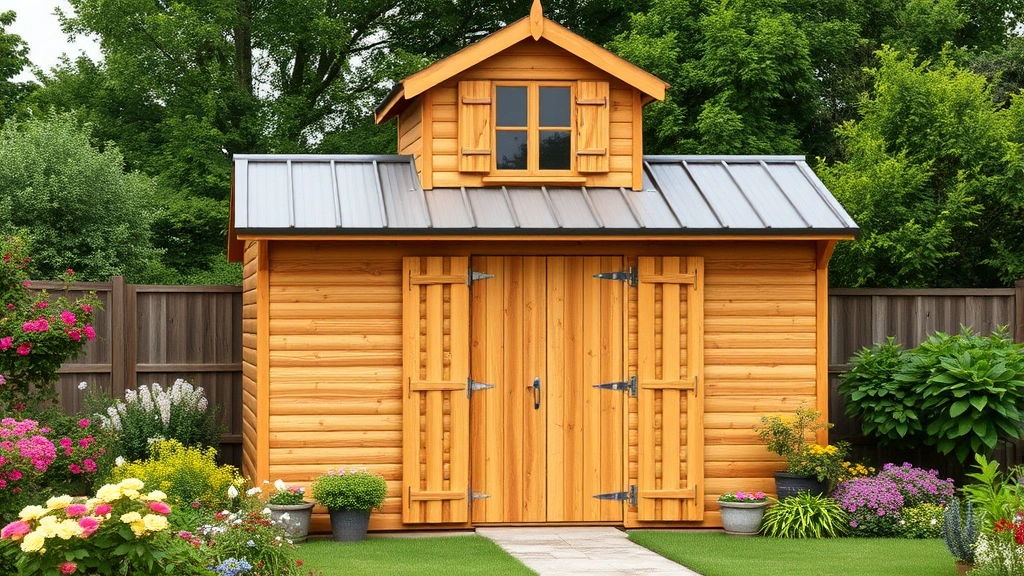
Finishing and Maintenance
Once the structure is complete, finishing touches protect your investment and improve aesthetics. Paint or stain the exterior with quality outdoor-grade finishes that resist UV damage and moisture. Cedar or redwood naturally resists rot better than pressure-treated pine, but any wood benefits from protective finishes. Plan to repaint or restain every 3-4 years to maintain protection.
Seal all gaps and cracks where water might enter. Use exterior-grade caulk around window and door frames, where walls meet the roof, and anywhere different materials join. Install door seals and thresholds to prevent water and pest infiltration. A small gap that seems insignificant in spring becomes a major water source during heavy rains.
Install screens on windows and vents to prevent insect entry while allowing airflow. If you’re using the upper level for plant propagation, screens are essential to keep pests away from your seedlings. Ensure all screens are properly fitted with no tears or gaps.
Regular maintenance keeps your shed functional for decades. Inspect the roof annually for missing or damaged shingles, especially after severe weather. Check for water stains on interior walls that indicate roof leaks. Clean gutters in fall to prevent water backup. Inspect the foundation annually for signs of settling, rot, or pest damage. Treat any wood rot immediately with fungicide and replace severely damaged boards.
Organize interior space seasonally. Rotate heavy items to accessible locations during their peak use season—summer lawn equipment in spring, winter tools in fall. Store items vertically when possible to maximize floor space. Label shelves and bins so family members can easily find what they need and return items to proper locations.
The American Horticultural Society offers excellent resources for organizing garden spaces and maintaining structures. Your local Cooperative Extension office can provide region-specific advice on materials and maintenance appropriate for your climate.
FAQ
Do I need a permit to build a 2 storey garden shed?
Permit requirements vary by location. Most municipalities require permits for structures over 120 square feet, structures taller than 15 feet, or those within certain distances of property lines. Contact your local building department before starting—the permit process typically costs $100-$300 and takes 1-4 weeks. Building without required permits can result in fines, forced removal, or complications when selling your property.
What’s the best material for a two-storey shed?
Pressure-treated lumber offers excellent rot resistance at reasonable cost, making it ideal for ground-level components. Cedar or redwood provides natural beauty and durability for visible areas. Metal framing is an alternative that resists rot entirely but requires more specialized skills. Combination approaches using pressure-treated framing with cedar siding often provide the best balance of durability, appearance, and cost.
How much does a DIY 2 storey garden shed cost?
A basic 8×10 shed typically costs $2,500-$4,000 in materials. Larger structures (12×16) cost $4,000-$7,000. Premium materials, electrical installation, or extensive finishing can easily double these costs. Labor savings are significant when building yourself—professional construction typically costs 2-3 times the material cost.
Can I build a 2 storey shed without a foundation?
No. A foundation is essential for a two-storey structure. The additional weight requires proper support to prevent settling and structural failure. At minimum, use pressure-treated skids elevated on concrete piers or footings. Concrete slabs or block foundations provide even better support and longevity.
What’s the best use for the upper level of a garden shed?
The upper level works excellently for plant propagation, seedling care, delicate plant storage, or as a quiet workspace. Many gardeners use it for organizing seasonal decorations, storing fragile tools, or as a retreat space. The key is keeping heavy items on the ground level and lighter items upstairs to maintain structural balance.
How do I prevent rot in a two-storey shed?
Use pressure-treated lumber for all ground-contact components, ensure proper drainage around the foundation, install gutters and downspouts, maintain roof integrity, provide adequate ventilation, apply protective finishes to exterior wood, and inspect regularly for water damage. Address any water infiltration immediately before it causes structural damage.


