Garden of Eden: Myth or Reality? Historian Insights on Where We Can Find Garden of Eden
The Garden of Eden represents one of humanity’s most enduring mysteries—a place of perfect harmony, abundant nature, and divine creation that has captivated scholars, theologians, and gardeners for millennia. But is this legendary paradise merely a spiritual allegory, or could it be rooted in historical and geographical reality? Historians and archaeologists have long debated the actual location of Eden, examining ancient texts, geological evidence, and regional flora to understand whether this mythical garden ever truly existed on Earth.
For centuries, religious traditions have positioned Eden as the ultimate garden—a place where humans lived in perfect balance with nature before their expulsion. Today’s gardeners often draw inspiration from this concept, attempting to recreate elements of Eden’s harmony in their own flower gardens and herb gardens. Understanding the historical and geographical context of Eden can deepen our appreciation for cultivating paradise in our own spaces.
Historical Records and Biblical Accounts of Eden
The Garden of Eden appears primarily in the Book of Genesis, Christianity’s foundational text, which describes it as a paradise created by God for humanity. The biblical account mentions specific geographical markers: the garden was located in the east, watered by four rivers including the Tigris and Euphrates, and contained the Tree of Life and the Tree of Knowledge. These precise details have led historians to believe that the Eden narrative may have been inspired by real locations known to ancient Mesopotamian peoples.
Ancient Sumerian and Babylonian texts also contain references to paradise gardens and divine creation stories that predate or parallel the Genesis account. Scholars note striking similarities between the Babylonian Enuma Elish and the Genesis creation narrative, suggesting cultural exchange and shared historical memory. The Sumerian concept of Dilmun, a mythical place of peace and abundance, bears remarkable resemblance to Eden’s description, leading some historians to propose connections between these ancient traditions.
Religious texts from various traditions describe similar paradises—Hindu scriptures mention Indra’s garden, while Islamic tradition references Jannat (paradise). These parallel accounts suggest that the human desire to conceptualize and locate a perfect garden reflects deep cultural and spiritual needs across civilizations. When you’re planning your gardening journey as a beginner, understanding these historical perspectives can inspire more meaningful design choices.
Geographic Theories: Where Scholars Believe Eden Was Located
Historians and archaeologists have proposed numerous geographical locations for the Garden of Eden, each supported by textual evidence and environmental analysis. The most prominent theories center on Mesopotamia, the region between the Tigris and Euphrates rivers in modern-day Iraq and Syria. This location aligns perfectly with the biblical description and represents one of humanity’s earliest centers of civilization and agriculture.
Some scholars argue that Eden may have been located in ancient Mesopotamia near the convergence of the Tigris and Euphrates, or possibly in the Persian Gulf region before rising sea levels altered the landscape dramatically. Others propose the Armenian highlands as the location, given the region’s historical significance and the presence of Mount Ararat, which features prominently in the flood narrative. The Caucasus region has also attracted scholarly attention due to its biodiversity and ancient settlements.
A minority of researchers suggest more exotic locations, including East Africa, the Indus Valley, or even the island of Crete. Some modern scholars approach Eden not as a specific geographical point but as a collective memory of humanity’s transition from nomadic hunter-gatherer societies to settled agricultural communities. This interpretation views Eden as a symbolic representation of that transformative period rather than a literal place. Creating garden decor that reflects these historical narratives can add educational depth to your outdoor spaces.
Archaeological Evidence and Ancient Civilizations
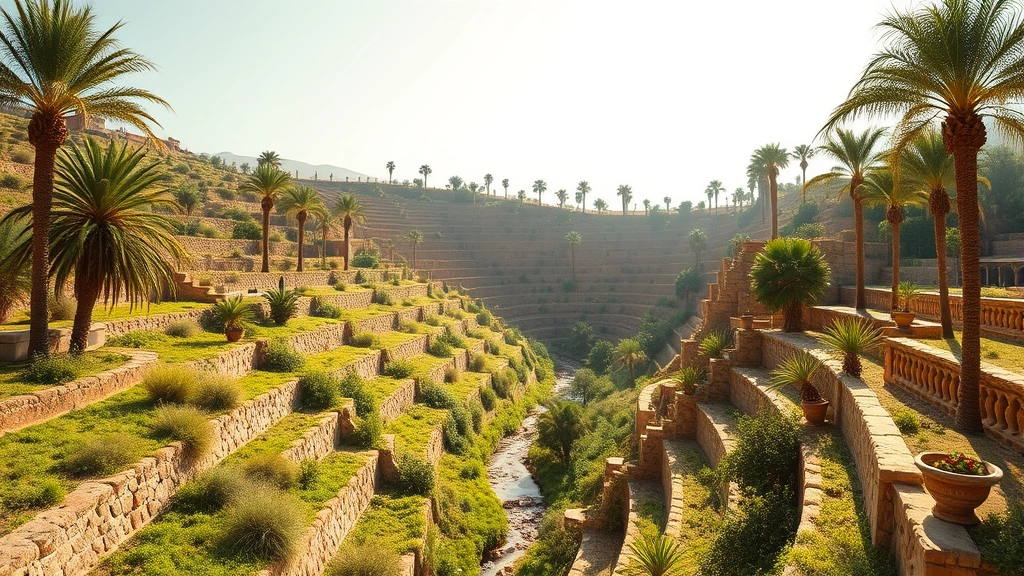
Archaeological discoveries in Mesopotamia have revealed sophisticated ancient gardens that may have inspired the Eden narrative. The famous Hanging Gardens of Babylon, one of the Seven Wonders of the Ancient World, represented humanity’s attempt to recreate paradise through horticulture. Ancient cuneiform texts describe royal gardens as earthly paradises, featuring diverse plants, water channels, and carefully designed landscapes.
Excavations at sites like Uruk, Lagash, and other Sumerian cities have uncovered evidence of extensive irrigation systems and cultivated gardens dating back over 5,000 years. These archaeological findings demonstrate that ancient Mesopotamians possessed advanced horticultural knowledge and deliberately created idealized garden spaces. Temple gardens served both practical and spiritual purposes, providing food while symbolizing divine order and cosmic harmony.
Recent climate and geological studies suggest that the Mesopotamian region experienced significant environmental changes during the period when Eden narratives were being recorded. The Persian Gulf extended further inland in ancient times, and river courses shifted considerably. These environmental transformations may have inspired myths about lost paradises and displaced peoples. Understanding this archaeological context enriches our appreciation for how ancient gardeners worked within their environments.
Flora of Eden: What Plants May Have Grown There
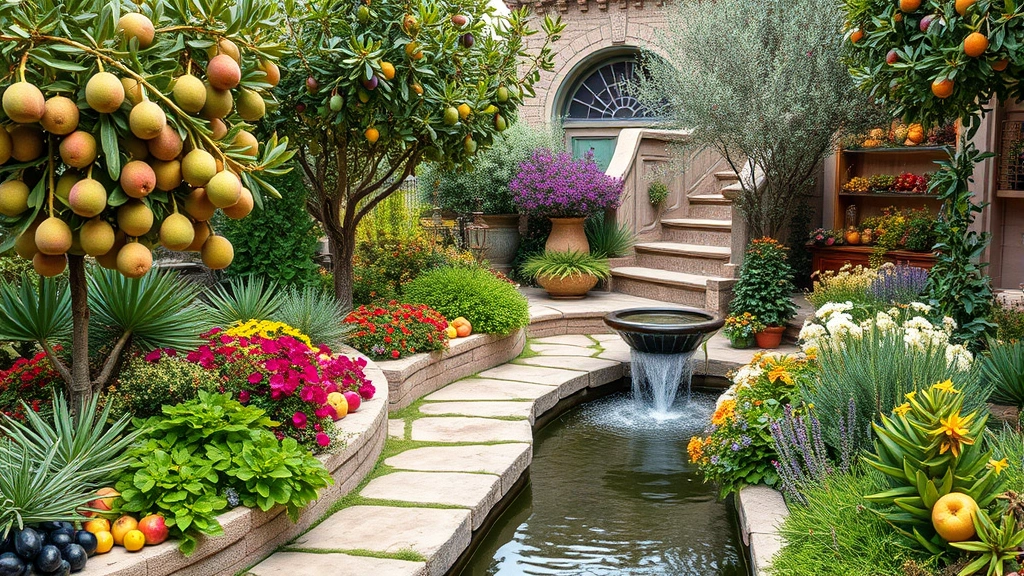
The biblical description of Eden emphasizes abundance and diversity of plant life, with specific mention of the Tree of Life, the Tree of Knowledge, and various fruit-bearing trees. Historians have attempted to identify which actual plant species may have inspired these descriptions based on what grew naturally in ancient Mesopotamia and the surrounding regions.
Date palms, pomegranates, figs, olives, and various citrus species likely flourished in the fertile river valleys of ancient Mesopotamia. These plants held tremendous cultural and nutritional significance for ancient peoples and continue to be central to Mediterranean and Middle Eastern agriculture today. The abundance of these species in the region perfectly aligns with Eden’s description as a place of natural plenty.
Archaeological evidence from ancient gardens shows that Mesopotamian horticulturists cultivated diverse fruit trees, flowering plants, and aromatic herbs. Inscriptions on temple walls describe gardens containing myrrh, frankincense, and various flowering specimens imported from distant regions. When designing your own herb garden, you might draw inspiration from these ancient cultivars that have survived millennia.
The concept of a “tree of knowledge” may have represented specific plants with psychoactive or medicinal properties known to ancient peoples. Historians note that many cultures attributed spiritual significance to particular plants—whether for their healing properties, unusual appearance, or role in religious ceremonies. Recreating an Eden-inspired garden today means selecting plants with historical significance and cultural meaning.
Creating Your Own Eden Garden Today
Modern gardeners can draw profound inspiration from the historical and mythological concept of Eden by creating spaces that emphasize harmony, abundance, and spiritual connection. An Eden-inspired garden doesn’t require exotic plants or impossible locations—instead, it focuses on principles of balance, diversity, and intentional cultivation that ancient gardeners understood well.
Begin by incorporating diverse plant species that thrive in your climate zone, just as Eden’s description emphasized variety. Include fruit-bearing trees where space permits, flowering plants for aesthetic beauty, and herbs for culinary and medicinal purposes. Create water features such as fountains or small ponds, as water was central to Eden’s description and provides both practical and spiritual benefits to garden spaces.
Consider vertical growing methods with vertical garden systems to maximize your growing space and create layered, abundant landscapes. Incorporate thoughtful garden decor that reflects spiritual or historical themes meaningful to you. Design pathways that encourage mindful walking and contemplation, transforming your garden into a sanctuary rather than merely a food production area.
Incorporate native plants alongside heritage varieties to honor both ecological responsibility and historical authenticity. Create distinct zones within your garden—perhaps a flower garden section for beauty, a productive area for vegetables and fruits, and a quiet contemplative space. This zonation mimics the sophisticated garden designs of ancient Mesopotamia.
Spiritual and Symbolic Gardens
Throughout history, gardens have served as spiritual spaces where humans attempt to transcend ordinary existence and connect with the divine. The Garden of Eden concept represents this impulse perfectly—a place where the sacred and natural worlds merge seamlessly. Creating spiritually meaningful gardens involves understanding the symbolic language of plants and design.
Many religious and spiritual traditions incorporate garden symbolism into their practices. Japanese Zen gardens, Islamic paradise gardens, and Christian monastic gardens all attempt to recreate Eden’s harmony through carefully considered design. These traditions teach that the act of gardening itself constitutes a spiritual practice—a way of participating in creation and maintaining cosmic order.
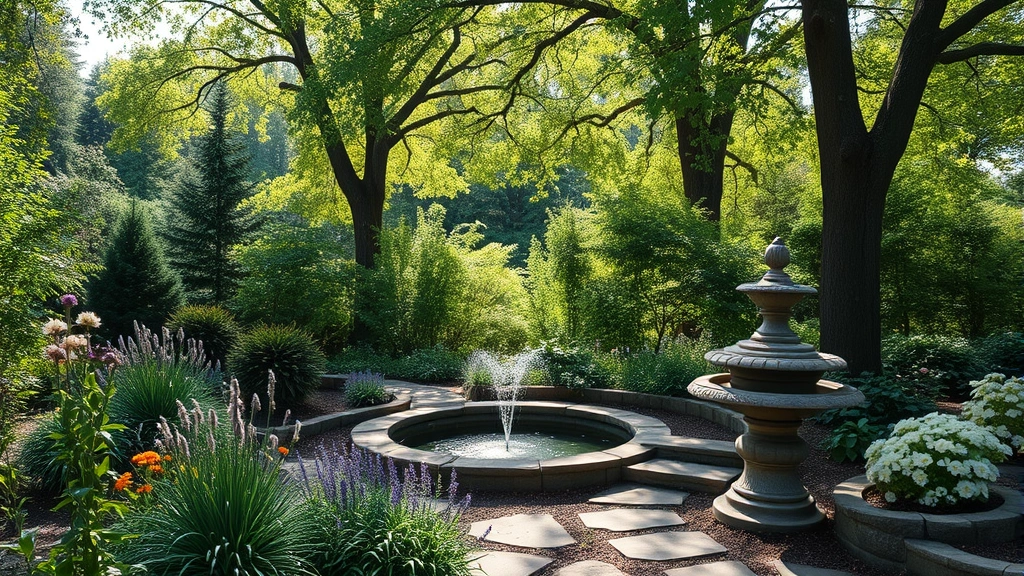
When designing a symbolic garden inspired by Eden, consider incorporating elements with personal spiritual significance. The four rivers of Eden can be represented through water features flowing in cardinal directions. Plant species mentioned in religious texts or culturally significant to your heritage add layers of meaning. Create spaces for meditation and reflection, acknowledging that Eden represents not just physical abundance but psychological and spiritual peace.
Incorporate whimsical fairy garden elements if you wish to add imaginative, enchanted qualities to your space. Many gardeners find that combining historical accuracy with personal creativity produces the most meaningful results. Your garden becomes a unique expression of the universal human desire to create and maintain paradise.
FAQ
Where exactly is the Garden of Eden located?
Most historians believe Eden was inspired by the Mesopotamian region between the Tigris and Euphrates rivers in modern-day Iraq and Syria. However, no archaeological evidence definitively proves the location of a literal Garden of Eden. The biblical description likely reflects cultural memory of early agricultural settlements and environmental features known to ancient peoples.
What plants grew in the Garden of Eden?
Based on biblical descriptions and what naturally grew in ancient Mesopotamia, Eden likely featured date palms, pomegranates, figs, olives, and various fruit-bearing trees. The specific “Tree of Life” and “Tree of Knowledge” remain unidentified, though they may have represented plants with spiritual or medicinal significance to ancient peoples.
Is the Garden of Eden a real place or purely mythological?
Scholars debate whether Eden was a literal historical location or a spiritual allegory. Most modern historians view it as a mythological narrative inspired by real geographical locations and the human experience of transitioning from nomadic to agricultural societies. It likely combines historical memory, spiritual symbolism, and cultural imagination.
How can I create an Eden-inspired garden at home?
Design a diverse garden featuring fruit trees, flowering plants, and herbs suited to your climate. Incorporate water features, create distinct zones for different purposes, and include plants with historical or spiritual significance. Focus on principles of abundance, harmony, and intentional cultivation rather than attempting literal recreation.
What do historians say about the Garden of Eden’s existence?
Most academic historians view Eden as a mythological construct rather than a historical location, though some scholars believe it was inspired by real places like ancient Mesopotamian gardens or the Armenian highlands. The narrative likely represents humanity’s collective memory of early agricultural development and spiritual aspirations rather than a specific documented site.
How do ancient texts describe the Garden of Eden?
The Bible describes Eden as a paradise watered by four rivers (including the Tigris and Euphrates), containing diverse trees and plants, and featuring the Tree of Life and Tree of Knowledge. Similar descriptions appear in Sumerian, Babylonian, and other ancient texts, suggesting shared cultural narratives about idealized garden spaces.


