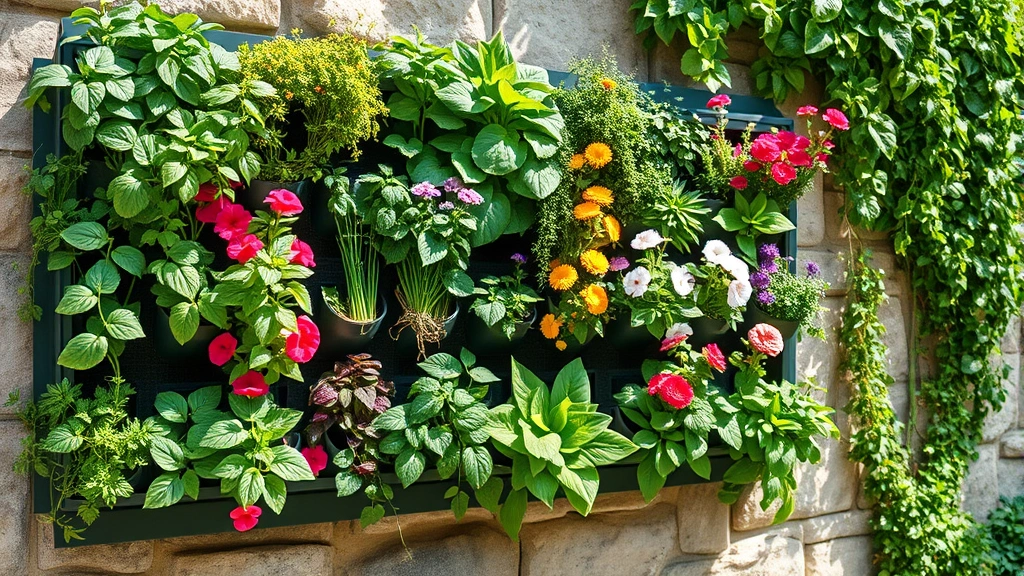
Vertical Garden Ideas: Expert Advice Inside
A vertical garden transforms any space into a lush, productive oasis—whether you’re working with a tiny balcony, a bare fence, or a sprawling garden wall. Unlike traditional horizontal gardens that demand precious square footage, vertical gardening maximizes your growing area by reaching upward, making it the perfect solution for urban gardeners, small-space enthusiasts, and anyone looking to add dramatic greenery to their home. This approach isn’t just about aesthetics; it’s a practical way to grow more plants, improve air quality, and create stunning focal points that become conversation starters.
Whether you’re interested in growing herbs, vegetables, ornamental plants, or a combination of all three, vertical gardening systems offer flexibility and creativity that traditional ground-level gardens simply cannot match. From living walls and trellises to hanging planters and pocket gardens, the possibilities are virtually limitless. In this comprehensive guide, we’ll explore expert-backed vertical garden ideas, share proven techniques, and help you design a system that works perfectly for your space and gardening goals.
What is a Vertical Garden?
A vertical garden is any growing system that utilizes vertical space—walls, fences, trellises, or specially designed structures—rather than spreading plants horizontally across ground level. These gardens can range from simple climbing vines trained on a trellis to sophisticated living wall systems with integrated irrigation. The concept has roots in ancient civilizations, but modern vertical gardening has evolved into a sophisticated practice embraced by horticulturists, landscape designers, and home gardeners worldwide.
The fundamental principle is straightforward: plants grow upward instead of outward, creating a three-dimensional garden that occupies minimal floor space while maximizing plant density. This approach works for nearly every climate zone and gardening scenario, making it an incredibly versatile option for both beginners and experienced gardeners. You can start with something as simple as DIY raised structures or invest in advanced modular systems with built-in hydration.
Benefits of Growing Vertically
The advantages of vertical gardening extend far beyond simply saving space. Let’s explore the compelling reasons why gardeners everywhere are embracing this innovative approach:
- Space Efficiency: Grow significantly more plants in a fraction of the footprint required by traditional gardens. Perfect for gardening tips for beginners working with limited area.
- Improved Accessibility: Vertical gardens reduce bending, reaching, and kneeling, making gardening more comfortable for people with mobility issues or back problems.
- Better Air Circulation: Plants positioned vertically receive superior airflow, which reduces fungal diseases and pest problems significantly.
- Enhanced Aesthetics: Create dramatic visual interest and transform blank walls into living artworks that boost curb appeal and property value.
- Reduced Pest Pressure: Elevated plants face fewer ground-level pests like slugs, snails, and certain soil-dwelling insects.
- Water Conservation: Modern vertical systems with drip irrigation deliver water directly to roots, minimizing waste compared to traditional overhead watering.
- Temperature Regulation: Living walls and dense vertical gardens provide natural insulation, helping regulate building temperature and reduce energy costs.
- Increased Yield: Despite occupying less ground space, well-designed vertical gardens often produce more vegetables and herbs than equivalent square-footage traditional gardens.
These benefits combine to make vertical gardening an exceptionally smart investment for anyone serious about maximizing their gardening potential.
Popular Vertical Garden Systems
The market offers numerous vertical gardening solutions, each with distinct advantages depending on your space, budget, and aesthetic preferences. Understanding your options helps you choose the perfect system for your needs.
Trellis and Climbing Systems: The classic approach involves training vining plants onto trellises, arbors, or pergolas. This method works beautifully for flowering plants like clematis, climbing roses, and honeysuckle, as well as productive crops such as pole beans, cucumbers, and peas. Trellises provide excellent structural support while allowing plants to climb naturally, and they’re among the most affordable vertical garden options.
Wall Planters and Pocket Systems: These modular systems feature individual pockets or pouches attached to a frame that mounts directly to walls, fences, or even interior surfaces. Each pocket holds soil and plants independently, creating a living tapestry effect. They’re ideal for growing herbs, sedums, succulents, and ornamental foliage plants. Pocket systems range from budget-friendly fabric options to premium pre-planted modules.
Living Walls and Green Walls: The most sophisticated option involves specialized structures with integrated irrigation, drainage, and growing medium. These engineered systems can cover entire building facades and support diverse plant communities. While expensive and installation-intensive, living walls offer maximum visual impact and can improve air quality significantly.
Hanging Baskets and Planters: Suspended from pergolas, hooks, or overhead structures, hanging containers create vertical gardens with minimal installation complexity. This approach works wonderfully for trailing plants, herbs, and flowers. Hanging gardens add dimension while allowing easy repositioning as seasons change.
Tower and Stacking Systems: Vertical towers consist of stacked planting containers with openings where plants emerge. These freestanding structures occupy minimal floor space while accommodating numerous plants. Tower gardens work exceptionally well for herb growing, strawberries, and ornamental plants.
Hydroponic and Aeroponic Vertical Systems: Advanced technology-based systems deliver nutrients and water through automated systems without traditional soil. These high-tech options maximize yields but require electricity and regular monitoring. They’re particularly popular for commercial operations and serious urban farmers.
Best Plants for Vertical Gardens
Selecting appropriate plants ensures your vertical garden thrives while looking beautiful. Different plant types excel in various vertical configurations.
Herbs: Basil, thyme, oregano, rosemary, parsley, and chives are exceptional vertical garden candidates. Their compact growth, regular harvesting, and high value make them perfect for pocket systems and tower gardens. Herbs typically prefer bright light and well-draining soil—conditions vertical systems provide naturally.
Vegetables: Pole beans, peas, cucumbers, tomatoes, and lettuce adapt beautifully to vertical growing. Trellises support heavier crops while lighter vegetables thrive in pocket systems. Choose determinate tomato varieties and ensure sturdy support structures for productive yields.
Flowering Plants: Petunias, marigolds, impatiens, begonias, and calibrachoa create stunning vertical displays. These prolific bloomers appreciate the excellent drainage vertical systems provide. Consider soil preparation carefully for optimal flowering.
Succulents and Sedums: These drought-tolerant plants are ideal for low-maintenance vertical walls. Their shallow root systems and minimal water requirements make them perfect for pocket gardens and living walls. Sedums offer year-round interest with seasonal color changes.
Trailing and Vining Plants: Ivy, pothos, string of pearls, and sweet potato vine cascade beautifully from hanging systems. These vigorous growers quickly fill vertical space and create lush, layered effects that soften architectural elements.
Foliage Plants: Coleus, caladiums, hostas, and ornamental ferns provide texture and color contrast. Their varied leaf patterns and growth habits add visual complexity to vertical gardens, making them essential for sophisticated designs.
Strawberries: These productive plants thrive in vertical tower systems and pocket gardens. The elevated growing position keeps fruit clean, improves air circulation, and reduces slug damage significantly.
DIY Vertical Garden Projects
Creating your own vertical garden is an accessible, rewarding project that needn’t require extensive carpentry skills or significant investment. Here are proven DIY approaches:
Pallet Vertical Garden: Reclaimed wooden pallets make excellent vertical garden frames. Stand a pallet upright, line the back with landscape fabric, and fill the spaces between boards with soil and plants. This rustic approach costs minimal money while creating charming, productive displays. Secure the pallet firmly to prevent tipping.
Hanging Shoe Organizer Garden: Clear plastic shoe organizers hung on fences or walls create instant pocket gardens. Fill each pocket with soil and plant herbs, succulents, or small flowers. This budget-friendly option works particularly well for renters who cannot drill into walls.
Wall-Mounted Shelving Garden: Install sturdy floating shelves on fences or walls and arrange potted plants in cascading arrangements. This flexible system allows easy plant rotation and repositioning. Shelves work beautifully for garden decor that combines functionality with aesthetics.
PVC Pipe Tower Garden: Stack sections of PVC pipe with drilled planting holes, creating freestanding towers. This method accommodates numerous plants while remaining portable. Drill appropriately sized holes for your plants and ensure adequate drainage at the base.
Fabric Pocket Wall: Sew or purchase fabric shoe organizers with multiple pockets. Mount securely to walls or fences and fill with quality potting mix. This lightweight option works indoors and outdoors, adapting to nearly any space.
Trellis Training System: Build or purchase wooden or metal trellises and train vining vegetables or ornamental plants upward. This classic approach requires minimal ongoing maintenance once plants establish. Provide gentle guidance as vines develop.
Watering and Maintenance
Proper hydration and care are crucial for vertical garden success. Vertical systems present unique challenges since water drains downward quickly and upper plants may shade lower ones.
Irrigation Methods: Drip irrigation systems work wonderfully for vertical gardens, delivering water directly to soil while minimizing waste. Soaker hoses, drip lines, and automated watering systems ensure consistent moisture. For smaller systems, hand-watering with a watering can provides adequate control.
Watering Frequency: Vertical gardens typically require more frequent watering than ground-level gardens due to increased air exposure and faster evaporation. Check soil moisture regularly—most vertical systems need watering every 1-3 days depending on temperature, humidity, and plant types. Succulents require less frequent watering than herbs or vegetables.
Fertilization: Container-grown plants in vertical systems exhaust nutrients faster than in-ground gardens. Apply balanced liquid fertilizer every 2-3 weeks during growing season, or use slow-release granules at planting time. Monitor plants for nutrient deficiency signs like yellowing leaves or reduced growth.
Pruning and Deadheading: Regular pruning maintains shape, encourages bushier growth, and prevents overcrowding. Deadhead spent flowers to promote continuous blooming. Remove diseased or damaged foliage promptly to prevent pest and disease spread.
Pest Management: While vertical position reduces pest pressure, monitor regularly for spider mites, aphids, and whiteflies. Spray affected plants with insecticidal soap or neem oil, addressing problems early before populations explode in the protected pocket environment.
Seasonal Cleaning: Periodically clean vertical structures, remove accumulated debris, and inspect for structural damage. This maintenance prevents pest and disease accumulation while extending system lifespan.
Seasonal Considerations
Vertical gardens perform differently across seasons, requiring adjusted strategies for optimal results year-round.
Spring: As temperatures warm, transition tender plants outdoors and begin fertilizing. Spring is the ideal time to establish new vertical systems, taking advantage of moderate temperatures and increasing daylight. Plant fast-growing herbs and vegetables that appreciate lengthening days.
Summer: Heat stress becomes significant in vertical gardens, particularly in pocket systems where soil temperature rises quickly. Increase watering frequency substantially, provide afternoon shade if possible, and monitor plants closely. Summer is peak growing season—harvest regularly to encourage continued production.
Fall: Transition to cool-season crops like lettuce, kale, and spinach. Reduce watering slightly as temperatures cool and evaporation decreases. Plant spring-blooming bulbs in available spaces for next season’s color.
Winter: In cold climates, protect systems from freezing temperatures or transition to cold-hardy plants and dormancy. Reduce watering significantly as growth slows. In mild climates, winter offers ideal growing conditions for cool-season crops and ornamentals.

” alt=”Photorealistic vertical garden wall with lush green herbs and trailing plants cascading down multiple levels against a brick backdrop” />
Year-Round Evergreens: Incorporate evergreen plants like ivy, boxwood, and ornamental grasses to maintain visual interest throughout winter. These dependable plants provide structure and color when deciduous plants fade.
FAQ
How much weight can a vertical garden support?
Weight capacity depends entirely on your mounting structure and wall construction. Properly installed systems on solid walls can support substantial weight, but always verify with a structural engineer or contractor before installation. Lighter systems using fabric pockets are safer for renters and delicate surfaces.
Can I grow vegetables in vertical gardens?
Absolutely! Pole beans, peas, cucumbers, tomatoes, lettuce, and many other vegetables thrive vertically. Choose varieties suited to containers and ensure adequate light, water, and nutrients. Vertical vegetable gardens often outproduce traditional gardens in similar space.
What’s the best location for a vertical garden?
Most plants prefer 6-8 hours of direct sunlight daily. South-facing walls receive maximum light, while north-facing locations suit shade-loving plants. Consider afternoon shade in extremely hot climates to prevent sun scald and excessive evaporation.
How do I prevent water damage from vertical gardens?
Install proper drainage at the base of vertical systems to direct excess water away from walls and foundations. Use waterproof backing materials behind living walls, and ensure adequate gaps for air circulation to prevent moisture accumulation.
Can vertical gardens work indoors?
Yes! Indoor vertical gardens thrive under grow lights with proper ventilation. Herbs, succulents, and shade-tolerant foliage plants work beautifully indoors. Ensure adequate drainage to protect flooring and consider humidity levels for plant health.
How long does a vertical garden take to establish?
Most vertical systems produce visible results within 4-6 weeks as plants establish and fill available space. Full maturity with dense coverage typically requires 2-3 months depending on plant species and growing conditions.
What’s the most beginner-friendly vertical garden system?
Hanging baskets, pallet gardens, and trellis systems offer excellent starting points for beginners. These approaches require minimal investment, simple installation, and straightforward maintenance while delivering impressive results quickly.


